
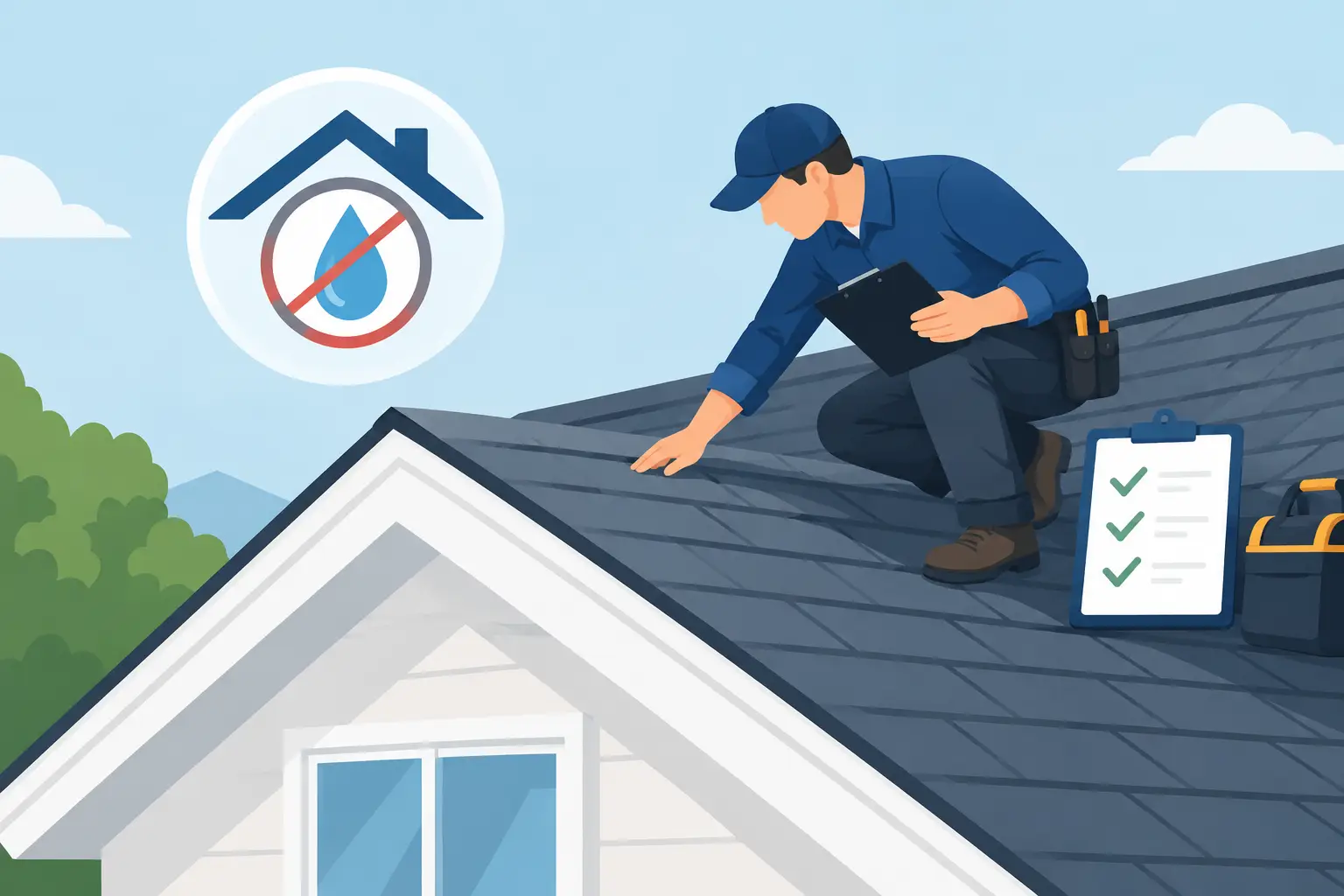
A roof rarely fails all at once. More often, a loose shingle, backed-up gutter, cracked pipe boot, or worn flashing lets in a little water at a time. In Coastal Georgia and the Lowcountry, intense sun, heavy rain, wind, salt air, and hurricane-season storms can speed up that process. A practical roof maintenance plan gives homeowners a way to spot trouble while it is still manageable.
The goal is not to climb onto your roof every weekend or turn homeownership into a full-time job. It is to establish a sensible routine, know what deserves attention, and bring in a qualified roofer before a minor defect becomes ceiling damage, mold, or a larger repair.
Why a Roof Maintenance Plan Pays Off
Your roof is a system, not just a layer of shingles or metal panels. It includes flashing around chimneys and walls, vent boots, valleys, underlayment, gutters, fasteners, attic ventilation, and the edges where water is directed away from the home. A problem in any one of those areas can affect the rest.
Routine maintenance helps you catch visible wear before water reaches the roof deck or attic. That can preserve interior finishes, protect framing, and help you make repair decisions based on the actual condition of the roof rather than an emergency. It also creates a useful record of when inspections, cleanings, and repairs were completed.
There is a practical trade-off here. A newer roof in good condition may only need professional attention once a year plus a post-storm check. An older roof, a roof under heavy tree cover, or a commercial property with penetrations and drainage components may need more frequent monitoring. The right schedule depends on the roof material, age, surrounding trees, and weather exposure.
Build Your Roof Maintenance Plan Around the Seasons
Coastal weather does not always follow a neat calendar, but seasonal check-ins make it easier to stay ahead of common problems. Put reminders on the calendar rather than waiting until you notice a stain or drip.
Start with a professional inspection
A professional roof inspection is the foundation of the plan. For most homes, an annual inspection is a good baseline. Schedule one sooner if your roof is aging, you have had recurring leaks, or a strong storm has passed through the area.
A trained inspector can safely evaluate conditions that are easy to miss from the ground, including lifted shingles, exposed fasteners, failing sealant, soft spots, flashing gaps, and damage around vents. Drone inspections can also provide a clear view of steep, high, or hard-to-reach roof sections without unnecessary foot traffic on the roof.
Ask for clear findings and photos. You should understand what is urgent, what can be monitored, and what repair options make sense. Honest maintenance is not about selling work that is not needed. It is about identifying the items that could allow water in and addressing them at the right time.
Keep gutters and drainage moving
Gutters are often treated as a separate issue, but they are part of roof protection. When leaves, pine straw, shingle granules, or nesting debris block a gutter or downspout, water can overflow onto fascia boards, siding, landscaping, and the foundation. Standing water near the roof edge also puts extra stress on the lower courses of roofing.
Clean gutters at least twice each year and more often if mature trees hang over the home. After a hard rain, take a few minutes to watch how water moves. Overflowing water, sagging sections, drips behind the gutter, or downspouts that discharge too close to the house should be corrected.
Check from the ground after storms
After high winds or heavy rain, walk around the property when it is safe to do so. You are not trying to diagnose every roof issue. You are looking for changes: shingles or metal pieces on the ground, branches on the roof, loose gutter sections, bent flashing, damaged soffit, or debris piled in valleys.
Also look inside. A new ceiling stain, bubbling paint, damp insulation, musty odor, or a change in attic humidity can point to water intrusion. Do not assume a stain is old simply because it is dry when you find it. Mark the area, take a photo, and arrange an inspection if it is new or growing.
Manage trees without damaging the roof
Trees provide welcome shade, but branches rubbing against roofing can wear away protective granules, scratch metal, and trap moisture and debris. Limbs that hang directly over the roof can also become a storm hazard.
Have overhanging limbs trimmed by a qualified tree professional. Avoid letting anyone use the roof as a work platform or drag cut branches across its surface. If moss, algae, or staining appears, ask a roofing professional about the appropriate cleaning method for your roof material. Pressure washing can damage many shingle roofs and is not a safe default solution.
What to Watch for Between Inspections
Homeowners do not need to become roofing experts, but a few warning signs should move a roof concern higher on the priority list. Missing, cracked, curled, or lifted shingles deserve attention, especially after wind. On metal roofing, look for loose panels, displaced fasteners, deteriorated sealant, or rust around penetrations and edges.
Pay close attention to transition areas. Roof leaks frequently begin where materials meet: around chimneys, skylights, vents, wall intersections, valleys, and plumbing pipes. A roof can look generally sound from the street while a small flashing failure allows water behind the surface.
Granules in gutters are another clue, though a small amount is common, especially after a new roof is installed. Heavy or sudden granule loss, bald-looking shingle patches, or dark areas that appear different from surrounding shingles call for an inspection. On flat or low-slope commercial roofs, ponding water, open seams, blistering, and clogged drains should be evaluated promptly.
Attic Conditions Matter, Too
The underside of the roof tells part of the story. If you can safely access your attic, check it periodically during daylight hours. Look for daylight coming through roof penetrations, damp decking, dark water trails, wet insulation, or mildew. Be careful not to step between joists or disturb electrical wiring.
Ventilation matters because trapped heat and moisture can shorten the life of roofing materials and contribute to condensation. In summer, Coastal Georgia attics can become extremely hot. A roofing professional can assess whether intake and exhaust ventilation appear balanced and whether the roof system is showing signs of moisture-related stress.
Not every attic issue means the roof needs replacement. Sometimes the answer is a targeted repair, a vent adjustment, or correction of a bathroom fan that exhausts into the attic. The value of an inspection is separating the real source of the problem from the symptom you can see.
Know When Maintenance Becomes Repair
A good plan includes a clear line between routine upkeep and work that should not wait. Call for professional help after active leaking, visible storm damage, a fallen limb, sagging roof areas, loose flashing, or a sudden increase in ceiling stains. Temporary buckets and towels can protect the room, but they do not stop the source of the water.
Avoid climbing onto a wet, steep, or storm-damaged roof. It is risky, and walking in the wrong place can cause additional damage. Take photos from the ground if you can do so safely, move valuables away from the leak, and contact a roofing contractor for an assessment.
For homeowners in Pooler, Savannah, and nearby coastal communities, Real Good Roofing can provide a thorough roof inspection, clear photo documentation, measurements, and a written estimate for recommended repairs. That straightforward information helps you understand your roof’s condition and choose the next step with confidence.
A Simple Maintenance Calendar
Keep your plan realistic. A four-part annual routine is enough for many properties:
- In spring, inspect gutters, trim back problem limbs, and schedule a professional roof check if winter storms or pollen season exposed concerns.
- Before hurricane season, clear drainage paths, secure loose exterior components, and address any known roof or flashing repairs.
- After major storms, inspect the property from the ground and check ceilings and attic areas for new signs of water.
- In late fall, remove leaves and pine straw from gutters and valleys, then confirm downspouts are carrying water away from the building.
Keep notes with the date, photos, and any work completed. That record makes it easier to notice a recurring issue, budget for future work, and communicate clearly with a roofer when something changes.
A roof maintenance plan works best when it becomes an ordinary part of caring for the property, like servicing an HVAC system or cleaning gutters. Give small concerns attention early, and your roof has a better chance to do its quiet, essential job through the next hard rain.