
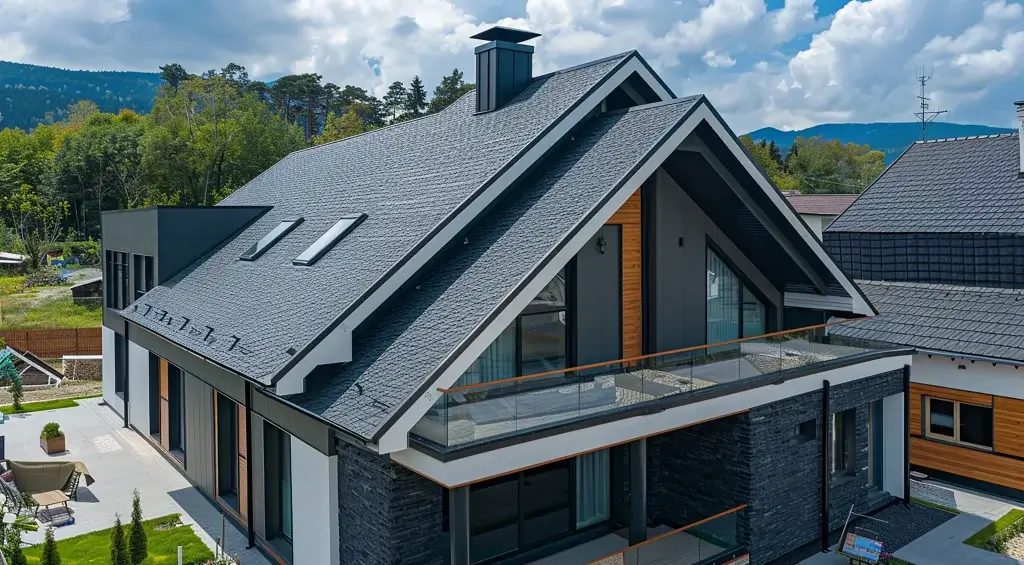
When it comes to safeguarding your home, your roof plays a critical role in keeping you and your family safe from the elements. However, with such high stakes, roofing scams have become more prevalent, especially in Georgia, where storms and unpredictable weather often lead to urgent roof repairs. Homeowners across the state are at risk of falling victim to these scams, but by being informed, you can protect yourself and your home. Below, we’ll explore some of the most common roofing scams, how to identify them, and tips to avoid becoming a target.
Why Roofing Scams Are Prevalent in Georgia
The state of Georgia, particularly cities like Atlanta, Savannah, and smaller towns like Gainesville and Hiram, often experiences harsh weather conditions. Between the heavy rains, winds, and seasonal storms, homes in Georgia are constantly exposed to the risk of roof damage. This creates a ripe opportunity for scammers who prey on homeowners desperate for quick fixes.
Many of these scammers surface after a major storm, offering “too-good-to-be-true” deals on services like Storm Damage Roof Repair or quick fixes for leaking roofs. Unfortunately, these unscrupulous roofers often leave homeowners in a worse position than before, either by doing substandard work or disappearing after taking the payment.
The “Storm Chaser” Roofing Scam
One of the most prevalent roofing scams in Georgia involves so-called “storm chasers.” These are contractors who follow severe weather events, offering immediate repairs. Storm chasers typically go door-to-door in affected neighborhoods, claiming that your roof has severe damage and needs immediate attention. They often push you to sign a contract on the spot, sometimes offering to deal with your insurance company for you.
However, the reality is that these contractors are usually from out of town and may not even be licensed in Georgia. They use subpar materials and rush through the job, leaving behind roofs that are poorly constructed or improperly installed. Homeowners often discover problems long after the scammers are gone, with no way to get them back for repairs.
How to Avoid It:
Before hiring anyone for Roof Repair, always check if the contractor is licensed and insured in the state of Georgia. Reputable companies like Real Good Roofing are locally based, have established reputations, and are familiar with Georgia’s specific building codes and weather-related concerns.
The Lowball Estimate Trap
Another common scam is the lowball estimate. Some roofing companies will give you an incredibly low price for Roof Replacement, luring you into signing a contract. Once they’ve started the job, they begin adding on unexpected costs, often citing “unforeseen issues” such as extra materials or hidden damages. By the end of the project, your final bill could be double or triple the original estimate.
Georgia homeowners may find themselves in a bind, as the scammer might threaten to stop work unless they pay up. This leaves you with an unfinished or subpar roof, along with an inflated bill.
How to Avoid It:
Be wary of any contractor offering a price that seems unusually low compared to other local companies. Always get at least three quotes for Roof Replacement from reputable businesses and be sure the estimate includes a breakdown of all expected costs. A trustworthy company will explain their pricing upfront, ensuring that you won’t face hidden charges later.
Insurance Fraud Schemes
In Georgia, homeowners’ insurance often covers storm-related roof damage, making it a prime target for fraudulent roofers. Some roofing scammers will suggest inflating the damage on your insurance claim to get more money for repairs or replacements. They may offer to “help” with the claims process, but in reality, they’re setting you up for legal trouble.
Falsely inflating a claim is illegal, and it could result in your insurance company denying the claim entirely or even canceling your policy. Even worse, you may face legal penalties for participating in insurance fraud.
How to Avoid It:
Always be honest when filing an insurance claim and only work with roofing companies that have a good reputation. Reputable companies like Real Good Roofing can document storm damage honestly and ensure that your Storm Damage Roof Repair is done right the first time.
“Free Roof” Scam
The “free roof” scam is another tactic that has been seen frequently in Georgia. Scammers claim that you can get a free roof through your insurance company, regardless of whether you need a new roof or not. They might say something like, “Your insurance won’t increase, so why not get a new roof?” This scam is often combined with fraudulent claims, as mentioned earlier.
Homeowners who fall for this scam often end up with shoddy work and can even face trouble with their insurance company if it’s found that the damage was misrepresented. Not only that, but having an unnecessary claim on your insurance record can result in higher premiums or policy cancellation.
How to Avoid It:
If a contractor suggests you file an insurance claim when there’s no real damage, it’s a red flag. A reliable roofing company will only recommend a claim when legitimate damage is present. Companies like Real Good Roofing will thoroughly inspect your roof and advise you on whether a claim is necessary, rather than pushing you into one for their own gain.
Unlicensed or Uninsured Contractors
Hiring unlicensed or uninsured contractors can lead to disastrous outcomes. While these contractors might offer lower prices, they often lack the skills or knowledge to do the job correctly. Additionally, if something goes wrong—such as a worker getting injured on your property—you, as the homeowner, could be held liable. In Georgia, all roofing contractors are required to be licensed and carry appropriate insurance.
How to Avoid It:
Before signing any contracts, ask for proof of licensing and insurance. Established roofing companies like Real Good Roofing are always willing to provide documentation. This simple step can save you from potential headaches and costly legal issues.
Unnecessary Roof Replacement
Some scammers will inspect your roof and claim that it needs to be entirely replaced, even when a simple repair would suffice. This scam is particularly common after a storm when homeowners may be unsure of the extent of the damage.
These scammers capitalize on fear, convincing you that your roof is in much worse condition than it actually is. They’ll push for a costly Roof Installation instead of offering a less expensive Roof Repair.
How to Avoid It:
If a contractor suggests a full Roof Replacement after just a quick inspection, get a second opinion. Many roofing issues can be resolved with repairs rather than a full replacement, and a trustworthy contractor will be upfront about your options. Always look for local experts who understand the unique weather patterns in Georgia and are invested in maintaining their reputation in the community.
Signs of a Trustworthy Roofing Contractor in Georgia
Now that we’ve covered common roofing scams, you may be wondering how to find a reliable roofing contractor in Georgia. Here are some signs of a trustworthy company:
- Local Presence: Contractors with an established presence in Georgia are less likely to be fly-by-night operators. Real Good Roofing, based in Georgia, has been serving local homeowners for years, providing consistent and dependable service.
- References and Reviews: A reputable roofing company will be able to provide references from previous clients. Be sure to check online reviews and ask for local references.
- Clear Contract Terms: Legitimate roofing companies provide a detailed, written contract that outlines the scope of work, timeline, costs, and payment terms. This ensures you know what to expect at every stage of the project.
- Warranties: Trustworthy contractors stand behind their work with warranties, ensuring that if something goes wrong, they will return to fix it.
Conclusion
Avoiding roofing scams requires vigilance and a willingness to do your research. Always ensure that any roofing contractor you hire is licensed, insured, and experienced in working with Georgia’s specific weather challenges. By choosing a trusted local company like Real Good Roofing, you can avoid falling victim to scams and ensure your roof remains strong and reliable for years to come.
Make sure to ask for multiple quotes, check credentials, and don’t be pressured into signing a contract on the spot. By staying informed, you can avoid common roofing scams and keep your home and family safe.
FAQs
What should I do if I suspect I’m being scammed by a roofer?
If you believe you’re being scammed, stop communication with the contractor immediately. Report them to the Georgia State Licensing Board and consult with a local, reputable roofing company for a second opinion.
How can I check if a roofer is licensed in Georgia?
You can verify a contractor’s license through the Georgia Secretary of State’s online database. Always check this before hiring anyone for roofing work.
What should a roofing contract include?
A roofing contract should detail the scope of the work, the materials to be used, the timeline, and the total cost, along with payment terms. It should also include warranty information.
Are storm chasers illegal in Georgia?
While not illegal, storm chasers are often unlicensed or provide subpar work. It’s best to avoid them and stick with established local companies.
Why is hiring a local roofing company important?
Local companies are familiar with Georgia’s weather patterns and building codes. They’re also more invested in maintaining their reputation in the community.
How can I avoid insurance fraud with roofing contractors?
Be wary of contractors who suggest inflating your claim or filing unnecessary insurance claims. Always be honest in your claim, and work with a roofing company that respects Georgia’s laws and ethics.