Category: Roof Inspection

  • Roof Inspection Process Explained for Georgia Homes

    Roof Inspection Process Explained for Georgia Homes

    If you’re a homeowner in Pooler, GA, your roof takes on more than just the weather, it faces intense sun, humidity, heavy rain, and even the occasional hailstorm. That’s why understanding the roof inspection process is so important. Regular inspections can catch small problems early, prevent leaks, and protect the overall structure of your home.

    At Real Good Roofing, we help Georgia homeowners take the guesswork out of roof care. Whether you’re preparing for storm season, buying a new home, or just want peace of mind, a professional roof inspection is a smart move. Let’s walk through exactly what happens during the roof inspection process so you know what to expect.

    Why Roof Inspections Matter in Georgia

    Georgia’s unique climate puts extra stress on roofing materials. Long summers bring blistering heat, while sudden downpours can exploit even tiny cracks in your shingles. And with Pooler located near the coast, high winds and tropical systems are always a possibility.

    That’s why we recommend scheduling a Roof Inspection at least once a year, or after any major storm. A thorough inspection helps prevent minor damage from turning into costly repairs and extends the life of your roof.

    What Happens During a Roof Inspection

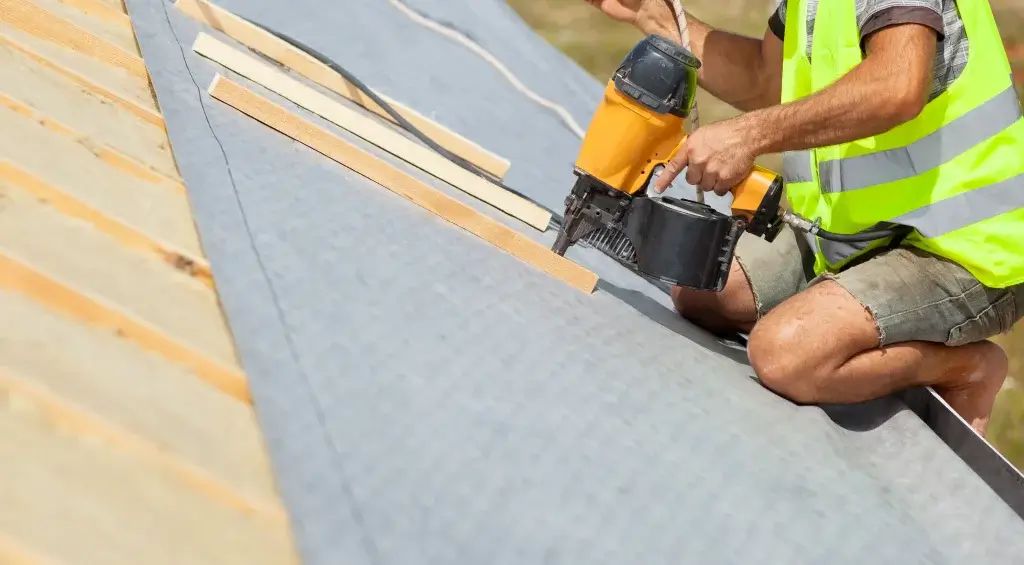
    The roof inspection process involves a detailed examination of your entire roofing system, from shingles and gutters to attic ventilation. Here’s how it typically works:

    1. Exterior Inspection (From the Ground)

    The first step is assessing your roof from ground level. Our roofers check:

    • Visible shingle damage (cracking, curling, or missing pieces)
    • Sagging or uneven roof lines
    • Condition of soffits, fascia, and eaves
    • Drainage around the home’s foundation

    This provides a broad overview and helps us identify potential problem areas before climbing onto the roof.

    2. On-Roof Examination

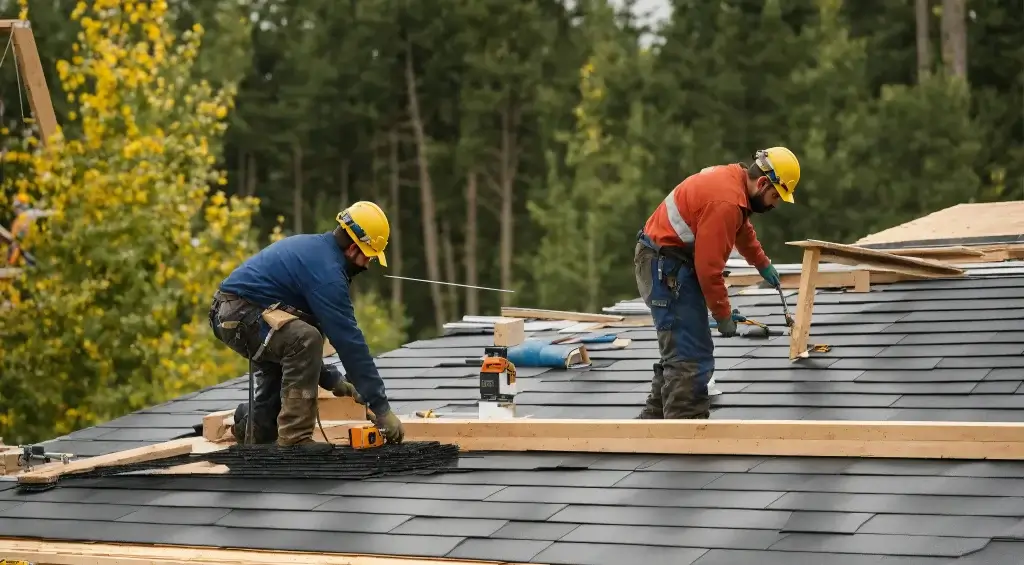
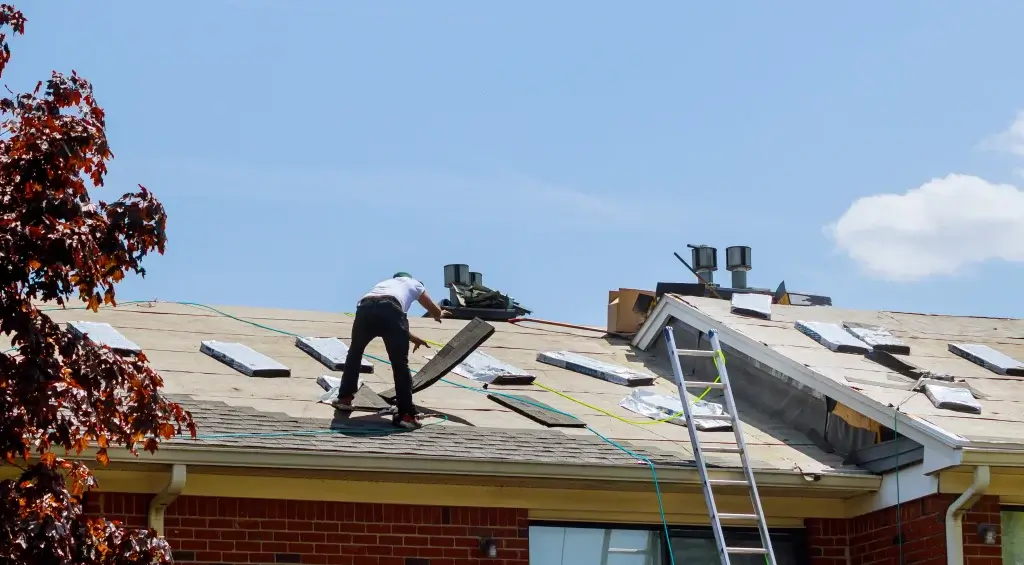
    Next, we get up on the roof for a closer look. During this phase, we inspect:

    • Shingle wear and tear
    • Flashing around chimneys, skylights, and vents
    • Nail pops or exposed fasteners
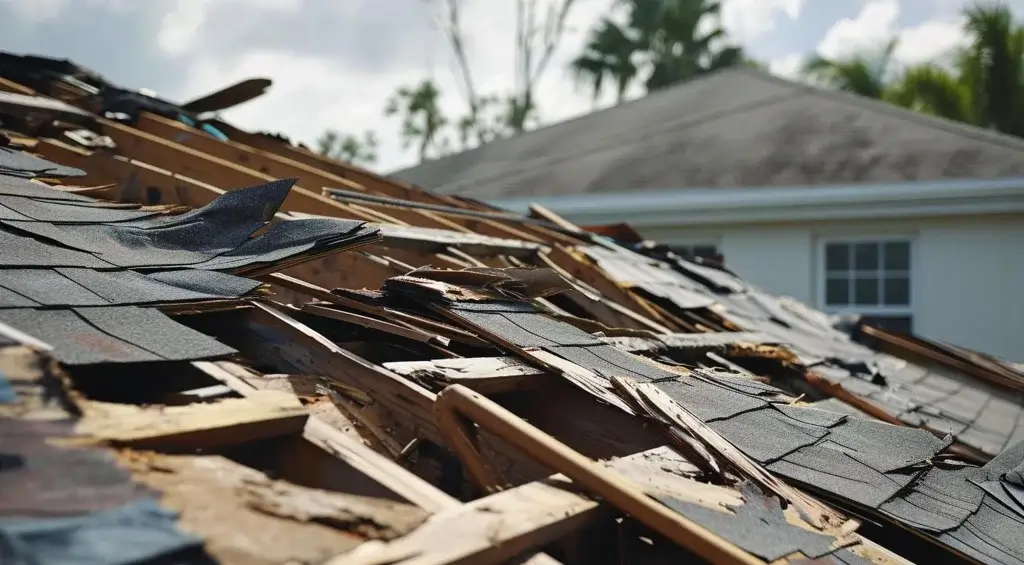
    • Signs of hail or storm damage
    • Granule loss and surface deterioration

    This part of the roof inspection process ensures we catch problems that aren’t visible from the ground. In Pooler, high humidity can speed up granule loss and make roofs more vulnerable to sun and storm damage.

    3. Gutter and Drainage Check

    Gutters are crucial for roof performance. We check:

    • Clogged or sagging gutters
    • Downspout positioning and flow
    • Signs of water pooling near the roof or foundation

    If gutters aren’t working properly, water can back up and seep under the shingles, causing rot or leaks.

    4. Attic and Interior Review

    Your roof doesn’t work alone. We inspect the attic to evaluate:

    • Ventilation and airflow
    • Signs of mold or mildew
    • Insulation condition
    • Water stains, drips, or moisture

    Poor ventilation can cause heat buildup in the attic, damaging shingles from below. That’s why checking inside is a critical part of the roof inspection process, especially in Georgia’s hot climate.

    What We Look for During the Roof Inspection Process

    During the inspection, we’re focused on finding:

    • Weak spots in the roofing system
    • Signs of age and wear
    • Early signs of leaks or water intrusion
    • Improper installation from past work
    • Safety hazards like loose shingles or soft decking

    We take notes and photographs to create a detailed report that explains our findings and recommends next steps.

    What Happens After the Inspection

    Once we’ve completed the inspection, we sit down with you to go over everything. You’ll receive:

    • A full written summary of our findings
    • Photos of any issues we discovered
    • Repair or maintenance recommendations
    • Cost estimates (if needed)

    We’ll answer your questions and help you understand the condition of your roof, so you can make informed decisions moving forward.

    When Should You Get a Roof Inspection?

    Here are the best times to schedule a roof inspection:

    • After a severe storm (especially with hail or high winds)
    • Before buying or selling a home
    • At the start of hurricane season
    • Annually, as part of home maintenance

    In Pooler, many homeowners choose to schedule inspections in the spring or fall to avoid summer heat or storm season surprises.

    Why Choose Real Good Roofing for Your Inspection

    At Real Good Roofing, we take the roof inspection process seriously. We don’t rush through it or try to upsell you on things you don’t need. Our experienced team knows what Georgia homes go through and gives honest, clear advice based on what your roof truly needs.

    We provide:

    • Professional, detailed inspections
    • No-pressure consultations
    • Local knowledge and experience
    • Repair services, if needed, are done right the first time

    We’re proud to serve the Pooler community and protect homes like yours.

    Final Thoughts

    Getting a roof inspection isn’t just about checking off a box; it’s about protecting your home, your investment, and your peace of mind. The roof inspection process may seem simple, but when done right, it can save you thousands in future repairs.

    If you haven’t had your roof checked recently or if you’re worried about damage from recent storms, reach out to Real Good Roofing today. Our Roof Inspection service is affordable, professional, and tailored to Georgia’s unique roofing needs.
  • 10 Ways to Extend Roof Lifespan Without Breaking the Bank

    10 Ways to Extend Roof Lifespan Without Breaking the Bank

    Your roof is one of the most important parts of your home, it protects your family, your belongings, and the structure itself. But like any part of your house, it needs proper care to last. The good news? You don’t need a huge budget to make your roof last longer. With the right approach, you can extend roof lifespan significantly without draining your wallet.

    At Real Good Roofing, we help Pooler, GA homeowners maintain strong, healthy roofs through smart, affordable strategies. Here are 10 cost-effective ways to keep your roof in top shape year after year.

    1. Schedule Regular Roof Inspections

    Routine inspections are one of the easiest and most important ways to extend roof lifespan. A professional inspection catches small problems, like cracked shingles or flashing issues, before they turn into big, expensive repairs.

    In Pooler’s humid climate and storm-prone seasons, yearly inspections are essential. Our team at Real Good Roofing offers expert Roof Inspection services to spot early signs of damage and help you take action fast.

    2. Clean Gutters and Downspouts

    When gutters are clogged, water backs up and can seep into your roof’s edge or under the shingles. Over time, this causes rot, mold, and leaks, all of which shorten your roof’s lifespan.

    Keep gutters clear of leaves and debris, especially after storms or in the fall. This simple step helps water flow away from your roof as it’s meant to and protects both your roofing and foundation.

    3. Trim Overhanging Tree Branches

    Trees near your home offer shade, but branches that hang too close to your roof can cause problems. Wind can break them off and slam them into your shingles. Leaves also fall into gutters and trap moisture against the roof.

    Trimming trees is a low-cost way to prevent physical damage and reduce the risk of mold or algae buildup. It’s especially important here in Pooler, where tree-lined properties are common.

    4. Remove Moss and Algae Promptly

    Dark streaks or green patches on your roof? That’s probably algae or moss, both of which can eat away at your shingles over time. These organisms hold moisture and can lift the edges of your shingles, exposing the layers underneath.

    Use a gentle cleaning solution and a soft-bristle brush to clean your roof. Avoid pressure washing, as it can damage the shingles. For stubborn growth, consider professional cleaning to protect the surface and help extend roof lifespan safely.

    5. Replace Damaged or Missing Shingles Right Away

    Even one missing or broken shingle can lead to big trouble. Water gets in, insulation gets wet, and the wood underneath starts to rot. That’s why it’s important to fix minor issues quickly.

    You don’t need a full roof replacement every time there’s a problem. Fast, affordable repairs help your roof last longer and prevent structural damage. At Real Good Roofing, we make small fixes easy and affordable to stay ahead of bigger problems.

    6. Make Sure Your Attic Is Well Ventilated

    A poorly ventilated attic traps heat and moisture, which can warp your roof deck and shorten the life of your shingles. Ventilation helps regulate temperature and humidity, keeping your roofing materials stable.

    Check that your attic has proper vents and insulation. If you notice extreme heat or musty smells, it might be time for an upgrade. A healthy attic environment plays a huge role in helping you extend roof lifespan.

    7. Watch for Interior Signs of Damage

    Leaks don’t always start with a drip from the ceiling. Often, the first signs appear inside, like dark spots on walls, peeling paint, or musty odors. These small clues suggest moisture is coming in from above.

    Catching these signs early allows you to patch the problem before it spreads. Routine walk-throughs of your home’s interior can reveal a lot about your roof’s condition, and save you money down the road.

    8. Avoid Walking on Your Roof

    It might seem harmless to check things out yourself, but walking on your roof can damage shingles, crack tiles, or weaken seams. If you must go up there, use a ladder and only step on reinforced areas.

    For any major inspections or repairs, it’s safer and smarter to call professionals. Letting trained roofers do the job helps maintain your warranty and keeps your roof in better shape longer.

    9. Stay on Top of Minor Repairs

    It’s tempting to put off fixing a small leak or a cracked shingle, but waiting can lead to serious damage. Minor repairs done now are always cheaper than major repairs later.

    This proactive approach is a key way to extend roof lifespan. Real Good Roofing makes it simple with quick service, fair pricing, and honest assessments. Don’t wait for a storm to make things worse, take care of small issues while they’re still easy to manage.

    10. Choose Quality Over Quick Fixes

    If you’re investing in repairs or upgrades, go with quality materials and trusted workmanship. Cheap materials may save money upfront, but they break down faster and require more frequent replacement.

    Using weather-resistant shingles and professional installation can give you years of added life on your roof. At Real Good Roofing, we help Pooler homeowners get the best value for their investment, without cutting corners.

    Why Roof Maintenance Matters in Pooler, GA

    Our local climate poses unique challenges to roofing. The hot, humid summers and intense storms test your roof every year. That’s why maintaining your roof is even more important in this area.

    Homes in Pooler that receive regular care last longer, have fewer emergency repairs, and maintain higher property value. When you stay proactive, you protect not just your roof, but your entire home.

    Real Good Roofing Helps You Save and Protect

    At Real Good Roofing, we believe smart homeowners shouldn’t have to spend a fortune to get quality. Our team offers:

    • Free and affordable inspections
    • Fast, reliable roof repairs
    • Professional gutter cleaning and debris removal
    • Expert recommendations tailored to Georgia homes

    When your goal is to extend roof lifespan, we’re the local roofing partner you can trust. We treat your home like it’s our own, because protecting your roof is about protecting your family.

    Final Thoughts

    Your roof doesn’t need a massive overhaul to last longer. With these 10 easy and affordable steps, you can extend roof lifespan and enjoy peace of mind year after year. Whether it’s regular maintenance or catching early signs of trouble, a little attention goes a long way.

    If you’re ready to take action, schedule your professional Roof Inspection with Real Good Roofing today. We’ll help you keep your roof strong, safe, and storm-ready, without breaking the bank.

  • 7 Benefits of Annual Roof Inspections for Homeowners

    7 Benefits of Annual Roof Inspections for Homeowners

    Your home is likely your biggest investment, and your roof plays a huge role in protecting it. Yet, many homeowners don’t think about their roof until it starts leaking or showing visible signs of wear. That’s where the benefits of annual roof inspections truly shine. By scheduling a yearly checkup, you stay ahead of costly repairs, extend the life of your roof, and ensure your family stays safe and dry.

    Here in Pooler, GA, our roofs face a mix of hot, humid summers and stormy seasons that can cause fast wear and tear. At Real Good Roofing, we’ve seen how much damage can be prevented with just one inspection a year. So, let’s dive into the key benefits of annual roof inspections and why every homeowner should prioritize them.

    Early Detection Saves You Money

    The earlier you catch a roofing issue, the less expensive it is to fix. One of the biggest benefits of annual roof inspections is the ability to detect small problems before they escalate. During an inspection, professionals can find missing shingles, minor leaks, cracked flashing, or clogged gutters, all issues that are easy and cheap to fix early on.

    In Pooler, where storms and high winds are common, these minor problems can quickly turn into major damage. When left untreated, water can enter your home, leading to stained ceilings, mold, and even structural issues. Regular inspections give you the chance to fix problems before they require big repairs.

    Roof Lifespan is Extended

    A roof is built to last, but only with the right maintenance. Think of annual inspections like regular oil changes for your car, they keep everything running smoothly and help you avoid breakdowns. One of the long-term benefits of annual roof inspections is extending the life of your roof by several years.

    For example, if your roof is expected to last 20 years, regular inspections might push that to 25 or more. That delay gives you more time to plan for replacement and helps you get the full value out of your current roof.

    Better Energy Efficiency and Lower Bills

    When your roof is in top shape, your home is better sealed and insulated. Damaged shingles, cracks, or poor ventilation can all cause energy loss. This means your heating and cooling system has to work harder, which leads to higher monthly bills.

    Another key reason homeowners appreciate the benefits of annual roof inspections is that they can spot insulation issues or air leaks that impact energy efficiency. When those are fixed, your home stays cooler in the summer and warmer in the winter, without driving up your energy costs.

    Avoid Water Damage and Mold

    Nothing causes more damage to a home than moisture. Water leaks from the roof can ruin drywall, destroy flooring, damage personal belongings, and lead to dangerous mold. In Pooler’s humid environment, even a small leak can result in fast-spreading mildew and bacteria.

    The benefits of annual roof inspections include catching these risks before water ever has a chance to enter your home. An experienced roofer will check the attic, underlayment, shingles, flashing, and seals for any signs of moisture intrusion. A dry home is a healthy home.

    You’re Prepared for Storm Season

    Living in Georgia means preparing for storms and hurricanes. High winds, heavy rains, and falling branches are all part of life here in Pooler. Another big advantage among the benefits of annual roof inspections is making sure your roof is ready for the challenge.

    Before storm season begins, schedule a Roof Inspection with Real Good Roofing. We’ll make sure your shingles are tight, your gutters are clear, and your flashing is secure. Taking care of these details before a big storm hits can save you from emergency repairs later.

    Keeps Your Warranty Active

    Did you know that most roofing warranties come with conditions? In many cases, you’re required to get regular inspections to keep the warranty valid. If you skip this step, your warranty might be void, and you’d have to pay out of pocket for repairs that would otherwise be covered.

    One of the often-overlooked benefits of annual roof inspections is ensuring your warranty remains intact. Our team at Real Good Roofing provides documented inspections that meet most manufacturer and insurance requirements. It’s a simple step that gives you big protection.

    Improves Home Value and Resale Readiness

    If you ever plan to sell your home, a well-maintained roof is a major selling point. Buyers in Pooler want peace of mind. Knowing the roof has been inspected yearly, and is in great shape, can boost your home’s resale value and help it sell faster.

    One of the lesser-known benefits of annual roof inspections is being able to show buyers that your home has been properly cared for. It’s one more way to stand out in a competitive housing market.

    Professional Eyes Catch What You Can’t

    Even if you think your roof looks fine from the ground, there could be hidden damage you can’t see. Loose nails, soft spots, or lifting shingles are all things an untrained eye might miss. Another important reason behind the benefits of annual roof inspections is the trained knowledge that professionals bring.

    At Real Good Roofing, we use local experience and professional-grade tools to give your roof a full, honest checkup. We know what Pooler roofs go through, and we know where to look for the earliest signs of damage.

    Customized Maintenance Plans

    After an inspection, you’ll get a full report of your roof’s condition. This isn’t just helpful, it lets you plan ahead. Whether it’s a simple gutter cleaning, sealing vents, or replacing a few shingles, a customized maintenance plan keeps your roof strong year-round.

    One of the more practical benefits of annual roof inspections is that they allow you to take control. You won’t be guessing when it’s time for maintenance, you’ll know, based on real data and expert advice.

    Trust Local Expertise with Real Good Roofing

    Homeowners in Pooler trust Real Good Roofing for reliable, affordable inspections. We’re not just a roofing company, we’re your neighbors. We understand the unique challenges of Georgia weather, and we’re here to keep your home protected through every season.

    When it comes to the benefits of annual roof inspections, local knowledge makes all the difference. Our team treats every inspection with care, honesty, and a genuine commitment to your safety.

    Schedule your Roof Inspection today and experience the Real Good Roofing difference.

    Final Thoughts

    As a homeowner, staying ahead of problems is always better than reacting to them. The many benefits of annual roof inspections, from saving money to improving energy efficiency, are too valuable to ignore. With just one visit a year, you protect your home, your wallet, and your peace of mind.

    If you’re in Pooler, GA, trust Real Good Roofing to handle your yearly roof inspection with care and expertise. We’ll help you get the most life out of your roof while keeping your home safe, dry, and strong.

  • The Best Time of Year for Roof Repairs in Georgia

    The Best Time of Year for Roof Repairs in Georgia

    Owning a home in Georgia comes with the responsibility of ensuring your roof stays in top condition year-round. With the state’s unique climate, from hot, humid summers to unpredictable winter storms, timing roof repairs correctly can make a huge difference. Choosing the best time of year for roof repairs not only ensures longevity but can also save you money by preventing further damage.

    At Real Good Roofing, we’ve spent years understanding the nuances of Georgia’s weather patterns and how they affect residential roofs. With this knowledge, we’re better equipped to guide homeowners like you on when to schedule roof repair, roof replacement, roof installation, and storm damage roof repair. Let’s dive into when the optimal time is to address your roofing needs in Georgia.

    Understanding Georgia’s Climate and Its Impact on Roofing

    Georgia’s weather is diverse, ranging from the scorching heat of summer to cold, sometimes snowy winters. Spring brings thunderstorms and hail, while the fall season often sees milder weather. This variety means that the timing of roofing projects can greatly affect the quality and efficiency of the work.

    Here’s a breakdown of Georgia’s seasonal weather and how it affects your roof:

    • Summer: Georgia summers are hot and humid, with temperatures regularly exceeding 90°F. While this is not an ideal time for roof repair due to the extreme heat, it can be perfect for roof installation or roof replacement projects. The dry conditions allow roofing materials like asphalt shingles to seal properly, ensuring durability.
    • Fall: Arguably the best time for roof repairs in Georgia. The weather is cooler, but still dry, making it the prime season for roof repair. Without the summer heat or winter storms, contractors can complete work efficiently, and homeowners can prepare their roofs for any upcoming inclement weather.
    • Winter: While Georgia’s winters are generally milder compared to northern states, they still present challenges. Roofing materials become brittle in colder temperatures, so roof replacement or installation during winter may not be ideal. However, if your roof experiences damage during a winter storm, emergency storm damage roof repair services are available to prevent further issues.
    • Spring: Springtime in Georgia brings an increase in thunderstorms, heavy rains, and hail, which can be problematic for older roofs. If you’ve put off roof repair during fall or winter, spring can make small problems worse. However, after the rainy season subsides, spring can also be a suitable time to address any lingering issues or schedule necessary roof replacement before the summer heat.

    Why Fall is the Best Time for Roof Repairs in Georgia

    While repairs and replacements can be done throughout the year, fall stands out as the optimal season for homeowners in Georgia. The moderate temperatures and lower humidity provide the perfect environment for roofing materials to be installed properly and for repairs to be completed without delays.

    Fall Advantages:

    • Comfortable Working Conditions: Roofing contractors can work more efficiently in cooler temperatures. Extreme heat in the summer can slow down the process, while icy conditions in winter can make work dangerous and reduce the quality of repairs.
    • Prepare for Winter: By scheduling your roof repair in the fall, you ensure your home is protected before the potential freeze and storms of winter. Addressing small issues now can prevent more expensive damage caused by winter weather.
    • Fewer Weather Delays: Georgia’s fall season typically has less rainfall compared to spring and summer. This means fewer interruptions, allowing contractors to complete your roof installation or roof replacement project faster.

    Special Considerations for Georgia Homeowners

    In Georgia, it’s essential to consider the local weather patterns and how they impact your home’s specific roofing needs. Given the frequency of severe storms, especially in spring and summer, addressing storm damage roof repair promptly is crucial to preventing more extensive problems down the line. If a storm leaves your roof vulnerable, immediate repairs can save you from future headaches, including leaks and structural damage.

    Furthermore, homes in northern Georgia, especially those in more mountainous areas, experience different weather patterns compared to southern parts of the state. These regions may experience colder winters, making it even more important to time your roof repair and roof replacement correctly, ideally in fall before snow and ice have a chance to wreak havoc.

    Preparing for Georgia’s Storm Season

    Storm season in Georgia, particularly in late spring and summer, can cause significant damage to your roof. Tornadoes, hailstorms, and severe thunderstorms are not uncommon, and each can take a toll on your roofing materials. If you notice missing shingles, leaks, or signs of damage after a storm, it’s essential to schedule storm damage roof repair immediately.

    Here’s how to prepare your roof for storm season:

    • Schedule an Inspection: A professional inspection before storm season ensures your roof is in optimal condition. This allows us to catch any minor issues and make necessary roof repairs before heavy winds or hail exacerbate the problem.
    • Upgrade to Impact-Resistant Materials: If your roof has sustained multiple rounds of damage, consider upgrading to impact-resistant materials during your next roof replacement. These materials offer better protection against hail and debris during storms.
    • Install Storm Shields or Reinforcements: For homes in areas prone to high winds or tornadoes, installing additional reinforcements can protect your roof from severe damage.

    Emergency Roof Repairs in Georgia

    Sometimes, the best-laid plans go awry, and storms or other unexpected events cause immediate roof damage. Georgia homeowners should always be prepared to call for emergency roof repair services when disaster strikes.

    At Real Good Roofing, we understand the importance of immediate action in these situations. Whether it’s patching up a leak during a rainstorm or replacing a section of damaged shingles, our emergency storm damage roof repair services ensure that your home stays safe and secure, no matter the time of year.

    Working with a Local Georgia Roofing Company

    When it comes to roof repair in Georgia, local expertise makes all the difference. At Real Good Roofing, we are proud to be based right here in the Peach State. Our team understands the intricacies of Georgia’s climate, from the relentless heat of summer to the sudden storms of spring. This local knowledge allows us to tailor our roofing services specifically to the needs of Georgia homeowners.

    By choosing a local company like ours, you can trust that we’ll provide recommendations and solutions that take into account the unique challenges posed by Georgia’s weather. Whether you need roof repair, roof replacement, or storm damage roof repair, we’ve got the expertise to get the job done right.

    The Importance of Routine Roof Maintenance

    Beyond timing your repairs, regular maintenance plays a critical role in the longevity of your roof. By scheduling annual inspections, you can stay ahead of potential issues and prolong the life of your roof. Routine checks are especially important for homes that experience frequent storms or sit under the shade of large trees, which can lead to debris buildup and water retention.

    Our team at Real Good Roofing offers comprehensive maintenance plans to keep your roof in top shape year-round. Whether it’s clearing gutters, replacing worn shingles, or sealing vulnerable areas, regular upkeep ensures that when repair or replacement time comes, your roof will be in the best possible condition.

    Conclusion

    In Georgia, timing your roof repair or replacement can mean the difference between a quick, efficient job and one fraught with weather-related delays. By understanding the local climate and working with a trusted local expert like Real Good Roofing, you can ensure your roof stays strong through every season. While fall is generally the best time for most projects, storm damage roof repair may be needed after spring and summer storms, and winter repairs should be approached cautiously.

    Don’t wait until a small problem becomes a big one. Contact Real Good Roofing today to schedule your roof repair, roof replacement, or roof installation, and keep your home protected no matter the time of year.

    FAQs

    What is the best time for roof repairs in Georgia?

    Fall is typically the best time for roof repairs in Georgia due to the milder weather and fewer rain delays.

    Can roof repairs be done in winter?

    Roof repairs can be done in winter, but cold temperatures can make roofing materials brittle, which could affect the quality of the repair. It’s best to consult with a local roofer for advice.

    Why should I schedule roof repairs before storm season?

    Scheduling roof repairs before storm season helps prevent small issues from becoming major problems when severe weather hits, especially with Georgia’s frequent spring storms.

    What are the signs I need storm damage roof repair?

    Signs you need storm damage roof repair include missing shingles, leaks, dents from hail, and debris on the roof after a storm.

    How can I prepare my roof for Georgia’s storm season?

    You can prepare your roof by scheduling an inspection, upgrading to impact-resistant materials, and installing storm shields or reinforcements.

    How often should I get my roof inspected?

    In Georgia, it’s recommended to have your roof inspected at least once a year, and after major storms to ensure no damage has occurred.

  • Roof Replacement Timeline: What to Expect

    Roof Replacement Timeline: What to Expect

    Roof replacement is a significant investment in your home, and understanding the timeline can help you plan and prepare accordingly. As one of the top Georgia roofing companies, Real Good Roofing offers a seamless and professional experience, ensuring homeowners are fully informed from the initial inspection to the final cleanup. Whether you’re facing storm damage or simply in need of an upgrade, knowing the steps involved can provide peace of mind. In this comprehensive guide, we’ll walk you through the roof replacement process and timeline, offering insights specific to the Georgia climate and roofing challenges.

    What Is the Typical Roof Replacement Timeline?

    The timeline for a roof replacement can vary depending on several factors, including the size of your home, the complexity of the roof, weather conditions, and the materials being used. On average, most residential roof replacements take about 1 to 3 days. However, in some cases, it may extend to a week, particularly if your roof has intricate features or you’re experiencing unpredictable Georgia weather.

    Factors that may affect your roof replacement timeline include:

    • Weather in Georgia: Weather plays a critical role in roofing projects. The humid subtropical climate in Georgia means summers can be hot, and stormy seasons can introduce unexpected delays. Hurricane season, in particular, can bring frequent rain that might postpone or slow down the process.
    • The Size of Your Roof: Larger homes or more complex roof structures will take longer to complete. Roofs with multiple peaks, valleys, or dormers can add extra time.
    • Roofing Materials: The type of roofing material you choose also impacts the timeline. Asphalt shingles are the quickest to install, whereas materials like metal or tile can take longer due to their heavier weight and more intricate installation process.
    • Roofing Team Size: A well-staffed crew like the team at Real Good Roofing will complete the job faster than a smaller or less experienced team. We ensure that every roof replacement is performed by skilled professionals who understand Georgia roofing challenges.

    Step-by-Step Roof Replacement Process

    To help you better understand what to expect, let’s break down the roof replacement process into clear steps:

    1. Initial Inspection and Assessment

    Before beginning any roofing project, an initial inspection is essential. Our expert team will come to your home and perform a thorough evaluation of your roof’s current condition. We look for signs of damage, leaks, and other issues that may not be visible to the untrained eye. During this phase, we’ll discuss whether you need a complete Roof Replacement or if a Roof Repair could suffice.

    We often see roofs in Georgia showing signs of wear after storms. Our inspection includes checking for damage caused by heavy rain, hail, or high winds, which are common during Georgia’s storm season. If your home has experienced such weather, we may recommend Storm Damage Roof Repair before considering a full replacement.

    2. Planning and Material Selection

    Once the inspection is complete, and we’ve confirmed the need for a replacement, you’ll have the opportunity to select the type of roofing material that best fits your home. Popular choices in Georgia include asphalt shingles, which are cost-effective and durable, and metal roofing, which offers a longer lifespan and excellent resistance to Georgia’s intense heat and storms. During this step, our team will also provide a timeline estimate based on your specific roofing needs and material choice.

    3. Scheduling the Roof Replacement

    Our team will work with you to schedule a convenient time to begin the replacement. Weather permitting, we aim to start as soon as possible. However, Georgia’s unpredictable storms can occasionally lead to delays. In such cases, we’ll keep you updated every step of the way.

    4. Tear-Off of the Old Roof

    When the scheduled day arrives, the first step is to remove your old roof. This process involves stripping away all shingles or other roofing materials down to the roof decking. In Georgia, homes often experience high humidity, which can contribute to underlying moisture damage. At Real Good Roofing, we inspect the decking for any signs of rot or damage and replace any compromised sections.

    The tear-off process can be noisy and may cause some disruption, but our team takes every precaution to minimize the impact on your daily routine.

    5. Installing the New Roof

    Once the old roof is removed and any necessary repairs to the decking are complete, the new roof installation begins. The timeline for this part of the process depends largely on the materials chosen. Asphalt shingles can be laid relatively quickly, while more specialized materials like metal or clay tiles may take longer due to the precision required for proper installation.

    For Georgia homeowners, we prioritize durability and energy efficiency. The scorching summer heat can drive up cooling costs, so we often recommend energy-efficient materials that reflect heat, helping keep your home cooler.

    6. Final Inspection and Cleanup

    After the new roof is installed, our team conducts a thorough inspection to ensure that every aspect of the job has been completed to the highest standards. We check for any installation issues, potential leaks, and confirm that all roofing materials are securely in place. Once the inspection is complete, we’ll conduct a full cleanup of your property, removing any debris or old roofing materials.

    At Real Good Roofing, we pride ourselves on leaving your home looking better than we found it. Cleanliness and attention to detail are non-negotiable in every Roof Installation.

    What Should You Expect During the Roof Replacement?

    Noise and Disruption

    A roof replacement is a noisy process, and while our team does everything possible to minimize disruptions, it’s important to be prepared for the sounds of hammers, drills, and footsteps on your roof. Georgia’s warm weather often allows us to work throughout the day, meaning minimal delays. If you work from home or have children, it may be worth planning around the noise.

    Property Protection

    We take great care to protect your landscaping, patio furniture, and other exterior elements during the replacement process. While roofing debris is inevitable, our team ensures that tarps and other protective materials are used to safeguard your property. Additionally, our crews will clean up daily, ensuring that your home and yard remain safe and tidy throughout the process.

    Communication Is Key

    With any roofing project, communication is crucial. At Real Good Roofing, we keep you informed every step of the way. From daily updates on the progress to weather-related delays, our goal is to ensure you know exactly what’s happening and when.

    How Georgia’s Weather Affects Roof Replacements

    Georgia’s unique climate plays a pivotal role in the roof replacement process. Summers can be brutally hot, while fall and spring bring the highest chances of rain. Hurricanes and tropical storms can also strike, especially in coastal areas. This is why we emphasize flexibility in scheduling your roof replacement.

    One of the most common reasons for roof damage in Georgia is storm-related wear and tear. After significant weather events, such as hail storms or high winds, it’s crucial to assess the condition of your roof. In many cases, our team finds that homeowners benefit more from Storm Damage Roof Repair, followed by a replacement when necessary.

    Choosing Real Good Roofing for Your Roof Replacement

    Real Good Roofing has served the Georgia community for years, providing high-quality Roof Repair, Roof Replacement, and Roof Installation services. Our expertise in local weather patterns, building codes, and material options ensures that your new roof is not only beautiful but also built to last through Georgia’s diverse weather conditions. From start to finish, we offer top-notch customer service, transparent communication, and a seamless roofing experience.

    Trust us to get your roof replacement done efficiently and professionally. If you’re uncertain whether you need a new roof, reach out to us for an inspection and consultation. Our team is always happy to provide advice tailored to your home’s specific needs.

    Frequently Asked Questions

    How long does a roof replacement take in Georgia?

    Most roof replacements take between 1 to 3 days, depending on the size of your roof and the materials used. However, unpredictable Georgia weather can sometimes cause delays.

    What time of year is best for roof replacement in Georgia?

    Fall and spring are typically the best times for a roof replacement in Georgia due to milder weather. Summer can be too hot, and stormy seasons can bring rain delays.

    What should I do to prepare for a roof replacement?

    Remove any valuables from your attic, secure outdoor furniture, and prepare for some noise and potential disruptions during the process.

    Can I stay home during a roof replacement?

    Yes, you can stay home during the replacement, but be prepared for noise and activity. Many homeowners choose to make arrangements to be away during the most intense parts of the process.

    Will weather delays extend my roof replacement timeline?

    Georgia’s weather can be unpredictable, and rain or storms may cause delays. However, Real Good Roofing prioritizes rescheduling to minimize disruption to your timeline.

    What materials are best for a Georgia roof replacement?

    Asphalt shingles are a popular choice for their affordability and durability. Metal roofing is also excellent for Georgia’s hot climate and frequent storms due to its longevity and heat resistance.

  • How to Identify Roof Mold and Mildew

    How to Identify Roof Mold and Mildew

    Roof mold and mildew can silently wreak havoc on your home, damaging its structural integrity while also posing health risks. For homeowners in Georgia, the warm, humid climate provides the perfect breeding ground for these fungi to flourish, especially after heavy rains or storms. If left untreated, mold and mildew can lead to costly repairs, water damage, and even premature roof replacement. At Real Good Roofing Company, we take pride in helping local homeowners safeguard their roofs with timely roof repairs, storm damage roof repairs, and expert roof replacement services when necessary.

    In this guide, we will walk you through how to identify roof mold and mildew, understand the risks they pose, and explain what steps you can take to address the issue effectively. Plus, we’ll provide tips on how our team of Georgia-based roofing professionals can help protect your home from further damage.

    Understanding the Difference Between Roof Mold and Mildew

    Before diving into identification, it’s important to understand the difference between mold and mildew. Both are fungi, but they have distinct characteristics:

    • Mold tends to be thick, fuzzy, or slimy in appearance. It can be black, green, or brown and grows in areas of high moisture. On roofs, mold is often found in damp spots where water doesn’t drain properly.
    • Mildew is usually flat and powdery, appearing gray or white. It thrives on organic materials and often shows up in patches on shingles or under eaves.

    For Georgia homeowners, mold and mildew commonly form on roofs after periods of heavy rainfall or storms, especially in shady areas or those that don’t receive sufficient sunlight. Over time, these fungi can eat away at roofing materials, leading to more serious issues like leaks, wood rot, and the need for a full roof installation or roof replacement.

    Signs of Mold and Mildew on Your Roof

    It’s crucial to spot the early signs of mold and mildew before they compromise the structural integrity of your roof. Here’s what to look for:

    1. Discoloration on Shingles

    Mold and mildew often manifest as dark or streaky discoloration on shingles. This can range from black and green patches to streaks of gray. Keep an eye on areas of the roof that are regularly shaded or near overhanging trees, as these spots are more prone to fungal growth in Georgia’s humid climate.

    2. Musty Smell in Your Attic

    A telltale sign that mold is growing on or inside your roof is a persistent musty smell in your attic. Mold thrives in dark, damp environments, and your attic is the perfect place for it to spread if there’s any water leakage from the roof. Be cautious; inhaling mold spores can be harmful to your health.

    3. Peeling or Bubbling Paint on Interior Ceilings

    If you notice peeling paint or bubbles forming on your ceilings, it could be an indication of mold or mildew buildup on your roof. This happens when moisture seeps through the roof and into your home. If you see this, a professional roof repair is likely needed to prevent further damage.

    4. Algae or Moss Growth

    While moss and algae are not technically mold, their presence often signals roof mold or mildew issues because they thrive in similar damp conditions. In Georgia, moss and algae growth is common on roofs shaded by trees or located in humid areas. If you notice green or blue-green patches on your roof, it’s a sign that moisture is present, which can lead to mold growth.

    Risks of Ignoring Roof Mold and Mildew

    Homeowners might be tempted to ignore small patches of mold or mildew, but doing so could lead to significant issues down the line. Here are some of the most critical risks of ignoring mold and mildew:

    Structural Damage

    Roof mold can slowly eat away at shingles, underlayment, and even roof decking, causing water to seep into the attic and home. Over time, the wood in your roof structure may begin to rot, leading to sagging or even partial roof collapse. This type of damage may eventually require a full roof replacement.

    Health Hazards

    Mold releases spores into the air that can cause allergic reactions, respiratory issues, and other health problems. For families with young children, elderly relatives, or individuals with compromised immune systems, it’s especially important to address roof mold promptly to prevent health risks.

    Increased Energy Bills

    A roof compromised by mold or mildew will not insulate your home as efficiently. Moisture entering the home can weaken insulation, making it harder to regulate indoor temperatures. This can lead to higher energy bills during both Georgia’s hot summers and cooler winters.

    Expensive Repairs

    The longer mold and mildew are left untreated, the more costly the repairs can become. What could start as a small patch requiring minimal roof repair could quickly spiral into a more extensive project if moisture spreads throughout your roof’s structure.

    How to Prevent Roof Mold and Mildew

    Preventing roof mold and mildew in Georgia’s humid climate is possible with regular maintenance and proper care. Here are some tips to help keep your roof mold-free:

    1. Clean Gutters Regularly

    Clogged gutters prevent water from draining properly, causing it to pool on the roof. This moisture creates an ideal environment for mold and mildew to grow. Clean your gutters at least twice a year, or more frequently after heavy storms.

    2. Trim Overhanging Trees

    Overhanging trees can block sunlight and prevent your roof from drying out after rain. Additionally, leaves and debris from trees can trap moisture on your roof, increasing the risk of mold. Trimming back trees will help improve airflow and reduce shade, lowering the risk of mildew buildup.

    3. Schedule Regular Roof Inspections

    Regular inspections by a professional roofing company can help catch mold and mildew early. At Real Good Roofing Company, we offer thorough inspections to identify potential issues before they escalate. Our team can advise on whether roof repairs or more comprehensive storm damage roof repairs are necessary to keep your roof in top condition.

    4. Apply Mold-Resistant Treatments

    Some roofing materials come with mold-resistant properties, which can help in preventing fungal growth. If you’re due for a roof replacement, ask about shingles or coatings that offer enhanced protection against mold and mildew, especially suited for Georgia’s weather conditions.

    How Real Good Roofing Company Can Help with Roof Mold and Mildew

    At Real Good Roofing Company, we understand how Georgia’s weather impacts the condition of your roof. From heavy summer thunderstorms to the humid atmosphere, local roofs are at a heightened risk for mold and mildew problems. We offer a range of services designed to protect your home and ensure the longevity of your roof.

    • Roof Repair: For small areas affected by mold or mildew, we can perform precise repairs to remove the damage and prevent it from spreading.
    • Roof Replacement: If your roof is significantly compromised by mold, our expert team will guide you through the roof replacement process, ensuring you choose the right materials to prevent future issues.
    • Roof Installation: For new constructions, we recommend mold-resistant roofing materials to give your home the best protection from day one.
    • Storm Damage Roof Repair: After a major storm, your roof may develop leaks that lead to mold growth. Our team can quickly address any storm damage to prevent long-term issues.

    Why Choose Real Good Roofing Company?

    As a Georgia-based company, Real Good Roofing Company is deeply familiar with the challenges local homeowners face when it comes to roof maintenance. Our knowledge of the region’s weather patterns and roofing needs means we’re uniquely equipped to address mold and mildew problems effectively. We pride ourselves on delivering high-quality craftsmanship and excellent customer service, helping you protect your home with timely, affordable roofing solutions.

    FAQs

    How can I tell if the mold on my roof is dangerous?

    Most roof mold is not immediately harmful, but any mold should be treated seriously to avoid structural damage or health issues. Black mold, in particular, can be hazardous and should be removed by a professional.

    Can mold on my roof spread to the inside of my house?

    Yes, mold on your roof can eventually seep into your attic and spread to other parts of your home. If you notice signs of mold in your attic, it’s important to address the issue quickly with a professional roof repair.

    What causes mold and mildew to grow on roofs in Georgia?

    Georgia’s warm, humid climate provides ideal conditions for mold and mildew growth, especially after heavy rain or in shaded areas that stay damp for long periods.

    How often should I inspect my roof for mold?

    It’s a good idea to inspect your roof for mold every six months, especially after a storm or during Georgia’s rainy seasons. You can also schedule a professional inspection annually for peace of mind.

    What’s the best way to remove mold from a roof?

    The safest way to remove mold from a roof is by contacting a professional roofer. At Real Good Roofing Company, we use specialized cleaning solutions and techniques to remove mold without damaging your shingles.

    Will a new roof prevent mold growth?

    If you choose mold-resistant roofing materials during your roof installation or roof replacement, you can significantly reduce the likelihood of mold growth. However, proper maintenance is key to keeping your roof mold-free.

    Conclusion

    Identifying roof mold and mildew early is crucial for protecting your home from structural damage and potential health risks. With Georgia’s humid climate, it’s essential to stay vigilant and conduct regular roof maintenance. The experts at Real Good Roofing Company are here to help you address any mold or mildew issues before they become serious problems. Whether you need a roof repair, a complete roof replacement, or assistance after a storm, we’re committed to keeping your home safe and your roof in top shape. Don’t let mold and mildew take root on your roof—get in touch with us today for a professional inspection and tailored roofing solutions.

  • The Benefits of Asphalt Shingle Roofing

    The Benefits of Asphalt Shingle Roofing

    As a trusted Georgia roofing company, Real Good Roofing understands the importance of durable, high-quality roofing materials that can withstand the demands of our unique climate. One of the most popular roofing options in the state is asphalt shingle roofing, and for good reason. It offers affordability, durability, and an aesthetic appeal that suits the traditional and modern homes found across Georgia, from bustling Atlanta to charming small towns like Marietta and Decatur.

    In this blog post, we’ll explore the many benefits of asphalt shingle roofing and why it’s a go-to option for homeowners in Georgia. Whether you’re considering roof repair, roof replacement, or roof installation, asphalt shingles are a smart investment that can provide years of protection and curb appeal.

    Durability and Weather Resistance of Asphalt Shingles

    Georgia homeowners are no strangers to the state’s unpredictable weather. From hot, humid summers to the occasional severe thunderstorm, having a roof that can withstand the elements is critical. Asphalt shingles are designed to endure these fluctuating conditions, making them a popular choice across the state.

    Asphalt shingles offer superior resistance to:

    • High winds: Many asphalt shingles are rated to withstand winds of up to 130 mph, making them ideal for areas prone to storms and high winds. For homeowners who’ve experienced storm damage, asphalt shingles can offer peace of mind during storm season, and they are often used in storm damage roof repair projects.
    • UV exposure: In regions like Georgia, where the sun can be intense, asphalt shingles with UV-resistant coatings can protect your roof from damage caused by long-term sun exposure, preventing premature aging and the need for frequent roof repair.
    • Heavy rains: Asphalt shingles are water-resistant and, when installed correctly, prevent water intrusion during heavy downpours, which are common during Georgia’s rainy seasons.

    This level of protection ensures that your roof stands the test of time, with minimal maintenance.

    Affordability Without Compromising Quality

    One of the top reasons Georgia homeowners choose asphalt shingles is their affordability. Compared to other roofing materials, such as metal or tile, asphalt shingles are cost-effective without compromising on quality or performance.

    • Initial cost savings: Asphalt shingles are less expensive to manufacture and install, which results in significant savings for homeowners needing roof replacement. In addition, asphalt shingles can be installed quickly, reducing labor costs.
    • Low maintenance: With proper roof installation, asphalt shingles require minimal upkeep. Most routine maintenance involves periodic inspections for loose or damaged shingles, which can be easily repaired.
    • Longevity: While the lifespan of asphalt shingles can vary based on the type and brand, many high-quality shingles last between 20-30 years. For homeowners looking for a balance of cost and longevity, asphalt shingles offer great value over time.

    This balance of affordability and quality makes asphalt shingles an excellent option for any budget-conscious homeowner looking for a long-lasting solution.

    Versatility in Design and Color Options

    Asphalt shingles aren’t just functional—they can also elevate the look of your home. Available in a wide variety of colors, styles, and textures, asphalt shingles can complement virtually any architectural design. Whether your home has the classic Southern charm found in Savannah or a more modern suburban look like those in Alpharetta, there’s an asphalt shingle style to match.

    Some benefits of design versatility include:

    • Enhanced curb appeal: The wide array of color options means you can match your roof to the exterior of your home or choose a contrasting color to make your home stand out in your neighborhood.
    • Customizable look: Asphalt shingles are available in various shapes, including traditional three-tab shingles and more premium architectural styles that mimic the look of natural slate or wood. This customization allows you to achieve the aesthetic you desire without the hefty price tag of natural materials.
    • Increased home value: A new asphalt shingle roof, especially one with a distinctive design, can increase the overall value of your home, particularly if you’re planning to sell in the competitive Georgia real estate market.

    Whether you’re upgrading your home or replacing an aging roof, asphalt shingles offer an aesthetic boost that can enhance your home’s appearance while providing practical benefits.

    Asphalt Shingles and Energy Efficiency

    Energy efficiency is another factor that makes asphalt shingles a top choice for Georgia homes. With hot summers and mild winters, Georgia homeowners need roofing materials that help keep energy bills in check. Fortunately, asphalt shingles can be enhanced with reflective coatings that reduce heat absorption, helping to maintain a cooler indoor temperature during the sweltering summer months.

    Some energy-saving benefits of asphalt shingles include:

    • Reduced cooling costs: Reflective or “cool” asphalt shingles can reflect more sunlight than traditional shingles, reducing the amount of heat transferred into your home. This can lead to lower air conditioning costs and a more comfortable living space during the summer.
    • Improved insulation: Asphalt shingles can also help improve insulation in your home by preventing excessive heat from entering through the roof. This not only keeps your home cooler in the summer but also helps retain warmth during Georgia’s cooler months.

    By choosing energy-efficient asphalt shingles, you’re not only improving your home’s comfort but also contributing to long-term energy savings, a factor increasingly important for eco-conscious homeowners.

    Easy Installation and Repairs

    Homeowners in Georgia often prefer asphalt shingles for their ease of installation and repairs. Given that many homes require roof replacement due to wear and tear or storm damage, asphalt shingles provide a practical solution that can be installed quickly by skilled professionals like the team at Real Good Roofing.

    • Quick installation: Asphalt shingles are relatively easy to install compared to heavier materials like clay or slate, which reduces the disruption to your home life during a roof installation project.
    • Simplified repairs: In the event that a section of your roof is damaged, asphalt shingles are easy to replace. If your roof has suffered damage from a recent storm, our team specializes in storm damage roof repair, ensuring that your home is protected from future weather events.
    • Adaptable to complex roof designs: Whether your home has a steep pitch or multiple roof lines, asphalt shingles can be adapted to fit your specific roof structure.

    This ease of installation and repairability is a significant advantage for homeowners who want a roofing solution that’s both durable and convenient.

    Local Expertise for Georgia Homeowners

    At Real Good Roofing, we know Georgia homes inside and out. Our local expertise allows us to recommend the best roofing materials and solutions tailored specifically to the needs of Georgia homeowners. Whether you live in the metropolitan area of Atlanta or the rural outskirts, our understanding of local climate conditions ensures that your roof is built to last.

    Our team has experience with:

    • Storm preparation and damage repair: Georgia is prone to severe weather, and asphalt shingles are a resilient choice for homes at risk of storm damage. We offer storm damage roof repair services that can restore your roof to its optimal condition after high winds, hail, or heavy rain.
    • Energy-efficient solutions: We understand the challenges Georgia homeowners face when trying to keep energy costs down. Asphalt shingles, when combined with proper ventilation and insulation, can help lower energy consumption throughout the year.
    • Personalized service: Whether you need roof repair, roof replacement, or a brand-new roof installation, our team provides personalized advice and high-quality service tailored to your home’s specific needs.

    When you choose asphalt shingles for your home, you’re choosing a roofing option that’s perfect for Georgia’s unique climate and architectural styles.

    Asphalt Shingle Roofing for Every Georgia Home

    In conclusion, asphalt shingles offer an affordable, durable, and aesthetically versatile roofing solution for homeowners throughout Georgia. Whether you’re dealing with storm damage, considering an upgrade, or building a new home, asphalt shingles are a practical choice that provides long-lasting protection from Georgia’s varied weather conditions.

    By choosing Real Good Roofing, you’re partnering with a local team of professionals who understand the specific challenges and opportunities of roofing in Georgia. We specialize in roof repair, roof replacement, and storm damage roof repair, ensuring that your home remains safe, secure, and beautiful for years to come. If you’re considering roof installation, asphalt shingles are an investment that will pay off in both performance and curb appeal.

    FAQs

    What is the average lifespan of an asphalt shingle roof?

    High-quality asphalt shingles can last anywhere from 20 to 30 years, depending on factors like installation quality and maintenance.

    Are asphalt shingles energy-efficient?

    Yes, asphalt shingles can be coated with reflective materials to improve energy efficiency, helping to keep homes cooler in hot climates like Georgia’s.

    Can asphalt shingles withstand Georgia’s storms?

    Absolutely! Asphalt shingles are designed to withstand high winds and heavy rains, making them ideal for Georgia’s stormy seasons.

    Are asphalt shingles a good choice for homes in rural Georgia?

    Yes, asphalt shingles work well in both urban and rural settings. Their durability and versatility make them a reliable option regardless of location.

    How long does it take to install an asphalt shingle roof?

    The installation timeline depends on the size of the home, but most asphalt shingle roofs can be installed in a matter of days, minimizing disruption.

    Can asphalt shingles be repaired if damaged?

    Yes, asphalt shingles are relatively easy to repair, and damaged sections can be replaced without needing a full roof replacement.

  • How to Handle Roof Damage Insurance Claims

    How to Handle Roof Damage Insurance Claims

    Dealing with roof damage can be overwhelming, especially when it comes to navigating insurance claims. As a Georgia homeowner, it’s important to know how to approach the insurance claims process to ensure that your repairs or replacements are covered. In this guide, we’ll walk you through the essential steps of handling roof damage insurance claims, with insights specific to Georgia’s weather and roofing regulations. Whether your roof has been damaged by a recent storm or has started to show signs of wear and tear, understanding how to file and follow up on a claim is key to getting your home back in shape.

    Understanding Roof Damage Insurance Claims in Georgia

    Georgia homeowners face a unique set of challenges when it comes to roof damage, largely due to the state’s volatile weather patterns. With frequent thunderstorms, hail, and even the occasional hurricane, roofs are often at the mercy of nature. When significant damage occurs, filing a claim with your insurance company can help cover the costs of roof repair, roof replacement, or even a full roof installation.

    One of the most important aspects of managing roof damage insurance claims is knowing what your policy covers. In Georgia, most standard homeowner insurance policies cover damage caused by storms, hail, wind, and other unexpected events. However, they often exclude issues like wear and tear or poor maintenance. It’s critical to review your policy in detail before any damage occurs so that you’re prepared when the time comes to file a claim.

    Steps to Take After Roof Damage

    If your roof is damaged during a storm or due to other unforeseen events, it’s essential to act quickly to minimize further harm and ensure a smooth claims process.

    1. Assess the Damage Safely: After a storm, carefully inspect your roof from the ground. Look for obvious signs of damage like missing shingles, dents from hail, or debris lodged in the roof. If the damage seems extensive, it may be time to call a professional roofing company for a thorough inspection. A Georgia-based roofing contractor, like Real Good Roofing, can help assess the extent of the damage and determine whether you need a storm damage roof repair or a complete roof replacement.
    2. Document the Damage: Take clear photos of the roof damage and make a list of what you observe. This evidence will be crucial when you file your insurance claim. It’s also helpful to write down the date of the event that caused the damage—Georgia is known for its unpredictable weather, and this documentation can support your case if you need to prove that the damage was due to a specific storm or incident.
    3. Mitigate Further Damage: Insurance companies expect homeowners to take reasonable steps to prevent additional damage after an incident. This could include covering the damaged area with a tarp or securing any loose shingles until professional help arrives. A local roofer like Real Good Roofing can assist with temporary fixes while you await the claims process to unfold.

    Filing a Roof Damage Insurance Claim

    Filing a claim can feel daunting, but if you’re prepared, it’s a fairly straightforward process. In Georgia, where storm-related claims are common, following these steps will help you navigate the process more efficiently:

    • Contact Your Insurance Company Promptly: After documenting the damage, reach out to your insurance company as soon as possible. Most insurers have a specific window of time in which claims must be filed, and delays could result in a denial of coverage. Provide them with all necessary information, including the documentation and photos you’ve collected.
    • Schedule an Inspection with an Adjuster: Once your claim is initiated, your insurance company will likely send an adjuster to inspect the damage. This inspection determines the extent of the coverage for your roof. To ensure that all damage is properly documented, it’s wise to have your roofer’s photo report ready for the adjuster’s visit. At Real Good Roofing, we provide detailed inspection reports and photos so you have what you need when you file your claim.
    • Review the Settlement Offer: After the adjuster’s inspection, you’ll receive a settlement offer from your insurance company. This offer details how much the insurance company will pay for the repairs or replacement. If the offer doesn’t fully cover the costs, you can ask your insurance company to review it again; a detailed written estimate from your roofer can help you understand local material and labor costs. Real Good Roofing can provide a detailed estimate that aligns with Georgia’s pricing standards to ensure you’re getting a fair settlement.

    Common Issues with Roof Damage Insurance Claims

    Even when you follow all the right steps, insurance claims don’t always go as smoothly as planned. It’s not uncommon for Georgia homeowners to face hurdles in the claims process, particularly when it comes to roof damage caused by storms. Here are a few challenges you might encounter and how to address them:

    • Claims Denials: Some claims are denied due to policy exclusions, insufficient documentation, or disputes over the cause of the damage. To reduce the risk of denial, work closely with your roofing contractor to provide accurate and thorough documentation. If your claim is denied, don’t hesitate to appeal. With the frequent storm activity in Georgia, insurance companies are accustomed to roof damage claims, but they may require additional proof.
    • Undervalued Settlements: Insurance companies often aim to minimize payouts. If the settlement offer doesn’t cover the full cost of the roof repair or roof replacement, you can request a reinspection or provide additional documentation to justify the costs.
    • Slow Response Time: During peak storm seasons, insurance companies may be overwhelmed with claims. If your claim is taking too long, regularly follow up and consider enlisting your roofing contractor to help keep the process moving.

    Working with a Local Roofing Contractor

    One of the best ways to ensure a smooth roof damage insurance claim process is by working with a reputable local roofing company. Real Good Roofing is based in Georgia and has extensive experience helping homeowners navigate the complex world of insurance claims. Local knowledge is crucial, as we understand the specific weather patterns that impact Georgia roofs and can provide the most accurate and efficient solutions, whether it’s for a simple roof repair or a complete roof installation.

    By choosing a local contractor, you also gain access to someone who is familiar with Georgia’s building codes and insurance requirements, which helps avoid unnecessary delays or complications. For example, we know the impact that Georgia’s high humidity can have on roofing materials, which helps us recommend the best long-term solutions for roof replacement projects.

    FAQs

    How long do I have to file a roof damage insurance claim in Georgia?

    Most insurance policies in Georgia require homeowners to file a claim within one year of the incident, but it’s best to check your individual policy for specific timelines.

    Does my homeowner’s insurance cover storm damage?

    Yes, most Georgia homeowner’s insurance policies cover damage from storms, hail, and wind. However, coverage may vary based on the cause of the damage and your specific policy.

    Will my insurance premium go up if I file a roof damage claim?

    Filing a claim can potentially lead to an increase in your premium, but it depends on the nature of the claim and your insurance provider’s policies.

    Can I choose any roofing contractor for repairs?

    You can choose any licensed roofing contractor, but it’s beneficial to work with a local contractor like Real Good Roofing, who understands Georgia’s specific requirements and can help manage the claims process more effectively.

    What should I do if my claim is denied?

    If your roof damage claim is denied, you can appeal the decision. It’s important to provide additional documentation or seek the assistance of a roofing contractor to help prove the extent of the damage.

    How can I tell if I need a roof repair or replacement?

    A roofing inspection from a professional can help determine whether your roof needs a roof repair or a full roof replacement. In Georgia, frequent storms may require a more comprehensive solution depending on the extent of the damage.

    Conclusion

    Handling roof damage insurance claims in Georgia can be a challenging process, but with the right preparation and support, it’s manageable. By partnering with a trusted local roofing company like Real Good Roofing, you can streamline the claims process and ensure that your home is properly restored, whether it requires a storm damage roof repair, roof replacement, or a new roof installation. Acting quickly, documenting the damage, and working closely with both your insurance provider and a qualified roofer are essential steps to successfully handling a roof damage insurance claim in Georgia.

  • Preparing Your Roof for Winter in Savannah

    Preparing Your Roof for Winter in Savannah

    As the winter season approaches in Savannah, Georgia, homeowners need to prepare their roofs for the changing weather. While the city enjoys a generally mild winter compared to other parts of the country, Savannah is no stranger to cold snaps, heavy rainfall, and the occasional storm. Ensuring that your roof is ready to face these conditions can prevent costly damage and extend the lifespan of your roof. At Real Good Roofing Company, we understand the unique challenges that Georgia’s coastal climate brings. With proper preparation, you can safeguard your home and avoid unexpected repairs.

    Why Winter Preparation is Crucial for Savannah Roofs

    Savannah’s weather can be unpredictable. Although winters are usually mild, the combination of humidity, wind, and storms can quickly compromise the integrity of your roof. Homes in this region are often exposed to moisture buildup, which can lead to leaks, mold, and damage to roofing materials. Without proper maintenance and attention, a small issue can escalate into a significant problem, necessitating costly roof repair or even roof replacement.

    Additionally, the coastal location of Savannah makes homes more vulnerable to high winds and heavy rains during winter storms. These storms can tear off shingles, loosen flashing, or expose the underlayment, making your home susceptible to water damage. Getting ahead of these issues with a winter roof preparation can prevent the need for emergency storm damage roof repair.

    Start with a Thorough Roof Inspection

    Before winter arrives, the first step is to conduct a thorough roof inspection. If you’re not comfortable climbing up to take a look yourself, our team at Real Good Roofing Company is always available to perform professional inspections. We’ll check for missing or damaged shingles, leaks, and any weak spots that may be vulnerable to further deterioration during the colder months.

    Key areas to focus on during an inspection include:

    • Shingles: Look for signs of curling, cracking, or missing shingles. These can allow water to seep into the roof deck, causing leaks and rot.
    • Flashing: Flashing seals the joints between your roof and other structures like chimneys or skylights. Make sure it’s intact and free of rust or wear.
    • Gutters: Savannah’s fall leaves often clog gutters, so ensure they’re clear of debris to prevent ice dams or water overflow during heavy rains.
    • Soffits and Fascia: Check for signs of water damage or rot, as these areas protect your home’s structural integrity.

    Scheduling a professional roof inspection can identify any issues early and ensure your roof is ready to withstand winter weather.

    Address Roof Repairs Before the Cold Hits

    If your roof inspection reveals any signs of damage, it’s essential to address them before winter arrives. Even minor problems, like a missing shingle or a small leak, can turn into major headaches if left untreated during Savannah’s rainy winter season. Water that enters your home can damage insulation, cause mold growth, and weaken your home’s structure.

    Our team at Real Good Roofing Company specializes in all types of roof repair, from patching leaks to replacing damaged shingles. By handling repairs now, you’ll avoid more extensive—and expensive—work down the line.

    Roof Replacement: When Repairs Aren’t Enough

    Sometimes, especially if your roof is older or has sustained significant damage, repairs aren’t enough. If your roof has reached the end of its lifespan, now may be the time to consider a roof replacement. While the upfront cost may seem high, replacing your roof before winter ensures your home is fully protected for years to come.

    Savannah’s coastal environment is tough on roofing materials. Salt air, high humidity, and the occasional storm can wear down roofs faster than in other regions. At Real Good Roofing Company, we can help you choose the right materials to withstand the local climate. Metal roofing, for example, is an excellent option for Georgia homes because it’s durable, resistant to wind damage, and energy-efficient.

    Gutter Maintenance: Essential for Winter Roof Protection

    Clogged gutters can lead to a host of problems in winter. When water can’t drain properly due to blockages, it can overflow and seep into the roof’s edges, causing wood rot and damage to your home’s siding. In colder weather, clogged gutters can also contribute to the formation of ice dams, which can force water back under the shingles and into your home.

    In Savannah, where winter storms bring heavy rainfall, keeping your gutters clean is especially important. Regular gutter maintenance should be part of your winter roof preparation checklist. You can either do it yourself or schedule an appointment with Real Good Roofing Company to ensure your gutters are in optimal condition.

    Prepare for Storm Damage in Savannah

    Winter storms, while not as common as in other regions, can still pack a punch in Savannah. High winds, rain, and the rare but possible sleet or snow can all take a toll on your roof. If your roof is already in a compromised state, even a minor storm can cause significant damage.

    If a winter storm causes issues such as missing shingles, leaks, or other forms of damage, it’s crucial to schedule storm damage roof repair as soon as possible. Fast action prevents more extensive damage and can save you from expensive repairs later on.

    At Real Good Roofing Company, we offer prompt and professional storm damage repair services. Our team is experienced in identifying damage quickly and making the necessary repairs to keep your home safe and dry.

    Roof Ventilation: An Often-Overlooked Factor

    Roof ventilation plays a critical role in maintaining the health of your roof during the winter months. Proper ventilation prevents moisture buildup in the attic, which can lead to mold, rot, and damage to insulation. It also helps regulate the temperature of your roof, reducing the risk of ice dams forming in colder conditions.

    Savannah’s relatively mild winters can still cause problems if your attic is not properly ventilated. Without adequate airflow, warm air from inside your home can escape into the attic and cause condensation, leading to mold growth. Ensure that your attic vents are clear and functioning correctly as part of your winter preparation routine.

    Savannah-Specific Roofing Challenges

    The unique coastal climate of Savannah presents some specific challenges for homeowners when it comes to roof maintenance. The high humidity levels, proximity to saltwater, and frequent rains during winter all contribute to the wear and tear on roofing materials. Furthermore, Savannah’s historic district is home to many older buildings, which may require specialized roofing techniques or materials to maintain their integrity.

    At Real Good Roofing Company, we understand the local climate and architectural styles. Our team has years of experience working with both modern homes and historic properties, ensuring that your roof can handle whatever the winter weather brings.

    Winter Roof Maintenance Tips for Savannah Homeowners

    1. Clear Debris Regularly: Leaves, branches, and other debris can accumulate on your roof during the fall. This debris can trap moisture, leading to mold growth or water damage. Ensure your roof is clean before winter sets in.
    2. Trim Overhanging Branches: Savannah’s beautiful trees are a defining feature of the landscape, but they can pose a risk to your roof. Overhanging branches can damage shingles and gutters during winter storms, so trimming them back is a good preventive measure.
    3. Monitor for Leaks: Throughout the winter season, keep an eye on your ceilings and attic for any signs of water damage. Leaks can develop quickly during heavy rains, and catching them early can save you from more extensive repairs.
    4. Schedule Regular Maintenance: Even if your roof appears to be in good condition, scheduling regular maintenance with Real Good Roofing Company can extend its lifespan and protect your investment.

    Conclusion

    Preparing your roof for winter in Savannah is an essential step in protecting your home from the elements. By taking the time to inspect, repair, and maintain your roof now, you can prevent costly issues later in the season. Whether you need a professional inspection, roof repair, roof replacement, or storm damage roof repair, Real Good Roofing Company is here to help. We understand the unique challenges that Savannah’s climate brings and are committed to keeping your home safe, dry, and comfortable all year round.

    Frequently Asked Questions

    What is the best time to prepare my roof for winter in Savannah?

    The ideal time to start preparing your roof is in the fall, before the first cold snap. This gives you enough time to inspect for damage and make any necessary repairs.

    How do I know if my roof needs to be replaced before winter?

    If your roof is over 20 years old or shows signs of extensive wear, such as curling shingles, frequent leaks, or visible sagging, it might be time for a roof replacement.

    Can Savannah’s winter storms cause significant roof damage?

    Yes, winter storms in Savannah can still cause damage despite the relatively mild winters. High winds and heavy rain can loosen shingles, damage gutters, or cause leaks.

    What are the most common winter roof issues in Savannah?

    The most common winter roof issues include leaks, damaged shingles, clogged gutters, and moisture buildup leading to mold growth.

    Is professional roof inspection necessary before winter?

    Yes, a professional roof inspection can catch small problems before they turn into major issues during winter. At Real Good Roofing Company, we offer thorough inspections to ensure your roof is winter-ready.

    How often should I clean my gutters during winter?

    It’s a good idea to clean your gutters at least twice a year, particularly in the fall and before winter. Keeping them free of debris ensures proper water drainage.

  • Importance of Proper Roof Insulation

    Importance of Proper Roof Insulation

    As homeowners across Georgia are well aware, the roof is one of the most essential components of any home. It provides shelter, safeguards belongings, and enhances the curb appeal of a property. However, an often-overlooked aspect of roofing that plays a crucial role in the long-term health and energy efficiency of a house is roof insulation. Proper roof insulation not only keeps homes comfortable year-round but also helps maintain energy bills at a manageable level, especially during Georgia’s sweltering summers and chilly winters. At Real Good Roofing Company, we prioritize educating our community on the benefits of quality roofing, and insulation is at the heart of that conversation.

    Why Roof Insulation Matters in Georgia

    With Georgia’s humid subtropical climate, temperatures can vary dramatically between seasons. Summers in areas like Atlanta, Augusta, and Savannah frequently reach above 90°F, while winters in the northern parts of the state can dip into freezing territory. Proper roof insulation acts as a critical buffer between your home and these extreme temperature fluctuations. It provides several key advantages:

    • Energy Efficiency: The primary function of roof insulation is to minimize heat transfer. In the summer, insulation keeps the cool air inside your home by reducing the amount of heat entering through the roof. In winter, it does the reverse, ensuring warm air doesn’t escape. With properly installed insulation, your HVAC system won’t have to work as hard, leading to lower utility bills.
    • Enhanced Comfort: Without adequate insulation, certain areas of your home may become uncomfortably hot in the summer or excessively cold in the winter. Proper insulation helps maintain a consistent temperature throughout the house, enhancing overall comfort.
    • Moisture Protection: Georgia’s high humidity levels can pose a significant risk to roofs. Moisture that accumulates without proper ventilation and insulation can lead to mold growth, wood rot, and structural damage. Insulation acts as an additional barrier against these issues, protecting your home from the inside out.

    The Role of Insulation in Protecting Your Roof’s Lifespan

    Roof insulation is not just about indoor comfort—it also contributes to the longevity of your roof. Without proper roof insulation, heat can build up in the attic, leading to roof materials deteriorating more rapidly. Shingles can warp or crack under prolonged exposure to excessive heat, which in turn may lead to the need for frequent roof repair or even premature roof replacement.

    In Georgia, roofs are especially prone to damage from heavy storms, high winds, and extreme weather conditions. Quality insulation helps mitigate some of this damage by keeping temperatures stable and reducing the risk of cracks or leaks that arise from sudden shifts in temperature. When paired with services like storm damage roof repair, insulation can help homeowners avoid extensive roof damage in the future.

    Types of Roof Insulation for Georgia Homes

    Choosing the right type of insulation is essential for maximizing the benefits mentioned above. While there are numerous options on the market, some of the most common forms of roof insulation for Georgia homes include:

    • Spray Foam Insulation: This type is growing in popularity due to its excellent sealing capabilities. Spray foam expands to fill gaps and hard-to-reach areas, making it one of the most efficient insulation materials available for roofs. It also acts as a moisture barrier, which is critical in Georgia’s humid climate.
    • Fiberglass Batt Insulation: Widely recognized and cost-effective, fiberglass batt insulation is made from fine glass fibers and is often used in attics. It can provide decent insulation for the roof if installed correctly, although gaps may reduce its efficiency.
    • Rigid Foam Insulation: Rigid foam is highly effective for insulating roofs and can be installed in layers to achieve the desired thermal resistance. It offers excellent moisture resistance, making it a smart choice for Georgia’s wet seasons.

    Working with an experienced roofing contractor like Real Good Roofing Company ensures that the right insulation material is chosen based on the specific needs of your home.

    Benefits of Professional Roof Insulation Installation

    Installing or upgrading roof insulation is not a job to be taken lightly. It requires precision, expertise, and knowledge of building codes, especially in Georgia. While DIY options may seem tempting, the long-term value of hiring a professional roofing contractor cannot be overstated.

    • Local Climate Knowledge: A local company like Real Good Roofing Company understands the nuances of Georgia’s climate and how it affects insulation needs. We can assess factors like humidity levels, rainfall, and seasonal temperature swings to recommend the best solutions for your home.
    • Seamless Integration with Roofing Services: Proper insulation is often overlooked during roof installation or roof replacement projects. A professional roofing team will integrate insulation installation into these services to ensure everything is done correctly and efficiently. This attention to detail ensures you get the most out of your new roof and avoid future roof repair expenses.
    • Improved Home Value: Proper insulation is a selling point for home buyers. Energy efficiency is a hot topic in today’s real estate market, and a home with excellent roof insulation stands out as a wise investment. Having a professional installation means you can confidently market your home as energy-efficient, increasing its overall value.

    Real Good Roofing Company: Your Georgia Roofing Experts

    At Real Good Roofing Company, we take pride in being Georgia’s premier choice for all roofing-related services. Whether you’re dealing with a leaky roof, considering a roof replacement, or simply want to improve your home’s energy efficiency, our team is here to help. We understand that each Georgia home has unique needs based on its location and age, and we tailor our recommendations to ensure maximum performance and longevity.

    By partnering with us for your storm damage roof repair, roof installation, or insulation needs, you’re making a sound investment in the long-term health and efficiency of your home. Our team of experienced professionals uses high-quality materials and industry-leading techniques to ensure your roof performs optimally in every season.

    Common Signs Your Roof Insulation Needs an Upgrade

    It’s essential to recognize the signs that your current insulation may no longer be doing its job. These include:

    • Fluctuating Energy Bills: A sudden spike in your heating or cooling bills is often the first sign of poor insulation. Without proper insulation, your HVAC system has to work overtime to keep your home comfortable.
    • Uneven Room Temperatures: If you notice that some rooms are consistently hotter or colder than others, it may be due to inadequate or uneven roof insulation.
    • Drafts or Cold Spots: Drafts in certain areas of your home could indicate that your insulation is no longer providing the necessary barrier between your indoor and outdoor environments.

    If you’re noticing any of these issues, it may be time to consider an upgrade, especially if your home is older or hasn’t undergone a recent roof replacement. Addressing insulation problems now can prevent more extensive issues down the line, including costly roof repair needs.

    FAQs About Roof Insulation

    What is the ideal type of insulation for Georgia homes?

    Spray foam insulation is often ideal due to its sealing capabilities and moisture resistance, but the best option may vary based on your home’s needs and budget.

    Can roof insulation help prevent storm damage?

    While insulation won’t stop direct damage from storms, it can reduce the internal stress on your roof, helping to prevent issues like leaks, which often accompany storm damage.

    How often should roof insulation be replaced?

    Roof insulation should be assessed every 15-20 years, though this can vary based on the material and your home’s exposure to weather conditions.

    Is roof insulation important during roof replacement?

    Absolutely. Roof replacement is the perfect time to upgrade or check your insulation to ensure maximum energy efficiency and comfort.

    Does roof insulation affect the lifespan of my roof?

    Yes, proper insulation can extend the life of your roof by reducing temperature fluctuations that cause materials to warp or crack.

    Can poor roof insulation lead to mold?

    Yes, poor insulation can trap moisture in the attic, leading to mold growth and potentially serious damage to your home’s structure.