Category: Roof Inspection

  • How to Extend the Lifespan of Your Roof

    How to Extend the Lifespan of Your Roof

    When it comes to protecting your home, your roof is your first line of defense. It shields your family from the elements, keeps the structure sound, and adds aesthetic value to your property. However, like anything exposed to Georgia’s hot summers, torrential rains, and occasional ice storms, it can wear down over time. Fortunately, with the right care and attention, you can significantly extend the lifespan of your roof, saving on costly repairs and premature replacements. At Real Good Roofing, a trusted Georgia roofing company, we specialize in maintaining, repairing, and installing roofs that stand the test of time in our unique Southern climate.

    Understanding the Impact of Georgia’s Climate on Your Roof

    Before diving into specific strategies to extend the lifespan of your roof, it’s important to understand how Georgia’s weather conditions affect your roofing materials. In the summer, the heat and humidity can cause certain materials like asphalt shingles to expand, contract, and deteriorate more quickly. Meanwhile, in the winter months, sudden drops in temperature can lead to the formation of ice dams, which can damage your roof’s structure.

    Additionally, Georgia’s frequent thunderstorms, high winds, and occasional hailstorms can lead to sudden storm damage, especially if your roof is already vulnerable. Regular roof repairs after extreme weather are critical to preventing these small issues from growing into large, expensive problems. This is why proactive care is essential.

    Conduct Regular Roof Inspections

    The first step in prolonging the lifespan of your roof is conducting regular inspections. Even if your roof appears to be in good condition from the ground, there could be small issues, such as loose or damaged shingles, that can escalate if left unchecked. Experts recommend having your roof inspected at least twice a year—once in the spring, after the intense heat of the summer, and again in the fall, before the arrival of winter.

    In Georgia, where weather conditions can change rapidly, it’s especially important to keep an eye on your roof after severe storms. High winds and heavy rains can lead to damage that isn’t immediately visible but can compromise your roof’s integrity. If you’re unsure about the state of your roof, a professional inspection from Real Good Roofing can provide the peace of mind you need.

    Trim Nearby Trees to Prevent Damage

    While the abundance of trees in Georgia adds natural beauty to our landscapes, overhanging branches can pose a threat to your roof. Falling branches during a storm can cause severe structural damage, and accumulated leaves can trap moisture, leading to mold and rot.

    By regularly trimming trees near your home, you reduce the risk of debris build-up and potential damage. Be particularly cautious with pine trees, which are common in Georgia. Their needles can accumulate in gutters and valleys, holding moisture against the roof and accelerating wear. Proper tree maintenance can help you avoid frequent roof repairs and extend your roof’s lifespan significantly.

    Clean Your Gutters Regularly

    One of the simplest yet most effective ways to prolong your roof’s life is to keep your gutters clean. Gutters play a critical role in directing water away from your roof and home. However, when they become clogged with leaves, twigs, and other debris—something that’s common in Georgia, especially in the fall—water can back up and seep under your shingles, leading to leaks and rot.

    Regular gutter cleaning, especially after the leaves have fallen, ensures water flows freely and helps prevent these issues. In some cases, you may want to install gutter guards, especially if you live in a heavily wooded area. This small investment can prevent costly water damage and eliminate the need for frequent cleanings.

    Address Roof Repairs Promptly

    Even small roof issues can escalate quickly if not addressed. A single missing shingle might seem insignificant, but it can expose your roof to water damage, leading to costly leaks or even mold growth. In Georgia’s humid climate, this risk is heightened. Ignoring necessary roof repairs can drastically shorten the lifespan of your roof.

    At Real Good Roofing, we emphasize the importance of addressing repairs as soon as possible. Whether it’s fixing a few damaged shingles or dealing with leaks caused by storm damage, early intervention can save you thousands of dollars in the long run. Our professional repair services are designed to fix problems before they become bigger issues, ensuring your roof lasts for years to come.

    Ensure Proper Attic Ventilation

    Your roof’s longevity is also closely linked to the ventilation in your attic. Inadequate ventilation can cause heat to build up in the attic, especially during Georgia’s hot summers. This excessive heat can damage shingles from below, causing them to deteriorate more quickly. In winter, poor ventilation can lead to condensation build-up, which can damage the roof’s wooden structure and lead to mold growth.

    Ensuring that your attic has proper airflow helps regulate temperatures and moisture levels, which in turn extends the life of your roof. If you’re unsure whether your attic ventilation is adequate, consider consulting a roofing professional who can assess your system and make recommendations for improvements.

    Schedule Professional Roof Maintenance

    Just like your car needs regular oil changes to run smoothly, your roof also requires professional maintenance to function effectively. At Real Good Roofing, we offer comprehensive roof maintenance services that include everything from routine inspections to minor roof repairs. By having a professional check your roof regularly, you can catch and address issues before they become major problems, ultimately extending the life of your roof.

    Additionally, Georgia’s hot and humid climate can lead to issues like mold, mildew, and algae growth on your roof, especially in shaded areas. Professional maintenance can include cleaning these growths, which can not only harm the structural integrity of your roof but also detract from your home’s curb appeal.

    Invest in Quality Roofing Materials

    Another key to extending the lifespan of your roof is investing in high-quality materials from the start. Whether you are installing a new roof or planning a roof replacement, choosing durable, weather-resistant materials is crucial, particularly in Georgia, where the climate can be tough on roofs.

    For example, asphalt shingles are popular in Georgia because they are cost-effective and provide good protection against the elements. However, upgrading to materials like metal roofing or high-quality composite shingles can offer even better longevity and resistance to weather damage. Our roof installation services at Real Good Roofing include a variety of options to suit your home’s needs and your budget.

    Protect Your Roof from Storm Damage

    Georgia homeowners know all too well how unpredictable the weather can be. Severe thunderstorms, high winds, and even the occasional tornado can wreak havoc on your roof. Protecting your roof from storm damage is another crucial element in extending its lifespan.

    After any significant storm, it’s wise to have a professional roofing contractor assess your roof for any damage. Even if you don’t see obvious signs of trouble, issues like lifted shingles or minor leaks can lead to much bigger problems if left unchecked. At Real Good Roofing, we specialize in storm damage roof repair, helping you recover quickly and restore your roof to peak condition.

    Frequently Asked Questions

    How often should I have my roof inspected?

    Roof inspections should be conducted at least twice a year—once in the spring and once in the fall. However, after severe storms or periods of extreme weather, it’s wise to schedule an additional inspection.

    What are the most common causes of roof damage in Georgia?

    In Georgia, the most common causes of roof damage include severe storms, high winds, excessive heat, and falling debris from nearby trees. Regular inspections and prompt repairs can mitigate these risks.

    Can storm damage be repaired, or will I need a full roof replacement?

    Many types of storm damage can be repaired if caught early. However, if the damage is extensive, a roof replacement might be necessary. A professional inspection is the best way to determine the right course of action.

    Is metal roofing a good option for Georgia homes?

    Yes, metal roofing is a great option for Georgia homeowners. It’s durable, resistant to weather damage, and can reflect sunlight, making it energy-efficient in hot climates.

    What should I do if I notice a leak in my roof?

    If you notice a leak, it’s crucial to address it immediately. Contact a roofing professional for roof repair services to prevent further damage, including mold and structural issues.

    What is the typical lifespan of a roof in Georgia?

    The lifespan of a roof depends on the materials used and the level of maintenance it receives. In Georgia, most asphalt shingle roofs last 20-25 years, while metal roofs can last 40-70 years with proper care.

    By following these expert tips and working with trusted professionals like Real Good Roofing, you can extend the lifespan of your roof and protect your investment for years to come.
  • The Impact of Tree Damage on Your Roof

    The Impact of Tree Damage on Your Roof

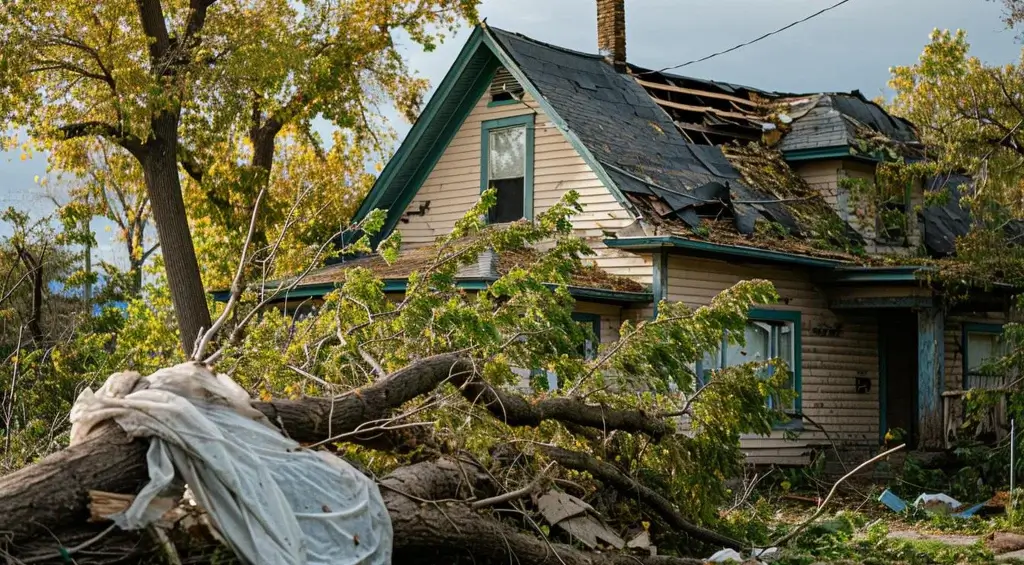
    When it comes to maintaining your home in Georgia, your roof is undoubtedly one of the most critical elements. Yet, the lush greenery and towering trees that make many Georgia neighborhoods beautiful can also present a significant risk to your roof, particularly in the wake of unpredictable weather patterns. Tree damage to roofs is an unfortunate reality many homeowners face, often requiring prompt attention to prevent further structural damage. From fallen branches during a storm to creeping roots that go unnoticed, tree damage can compromise the integrity of your roof in ways that demand both Roof Repair and even Roof Replacement if left unchecked.

    Why Georgia Roofs Are Vulnerable to Tree Damage

    Georgia is known for its diverse weather patterns, which can shift rapidly from sunny days to severe storms. Thunderstorms, high winds, and even tornadoes are frequent occurrences across the state. Combined with the lush tree cover in many areas like Marietta, Atlanta, and Alpharetta, this creates a perfect storm for tree-related roof damage. Large oaks, pines, and magnolias, while adding charm to your property, can cause significant harm when their branches fall or their roots affect the surrounding foundation.

    Because of the state’s high humidity levels, trees grow quickly, often without homeowners realizing how dangerously close they are to roofs. The heavy rainfall that comes with Georgia’s frequent storms softens the ground, increasing the likelihood that trees could uproot and fall directly onto homes. Whether you’re dealing with a heavy branch or an entire tree falling on your roof, Storm Damage Roof Repair is a service many Georgia residents end up needing more often than they’d like.

    Common Signs of Tree Damage on Your Roof

    Identifying tree damage early can be the difference between a simple Roof Repair and a costly Roof Replacement. Here are some key signs to watch for if your roof has been impacted by tree damage:

    • Fallen Limbs or Branches: The most obvious sign is the presence of branches or even large limbs lying on the roof after a storm. Even if they don’t seem to have pierced through your shingles, the impact alone can loosen materials, leading to leaks and further deterioration over time.
    • Sagging Roofline: After a tree limb falls on your roof, even if the damage isn’t immediately visible, the added weight could cause your roof to sag. This is a clear sign that the structure has been compromised and needs urgent attention.
    • Cracked Shingles or Tiles: Look out for cracks, breaks, or missing shingles that might have been knocked loose by overhanging branches. Damaged shingles can expose your roof to water infiltration and lead to serious problems if not addressed quickly.
    • Debris Accumulation in Gutters: Overhanging trees drop leaves, needles, and other debris, which can accumulate in your gutters. If your gutters are clogged, water will back up onto the roof, leading to moisture damage and possibly the need for a Roof Installation or significant repairs down the line.

    Preventing Tree Damage to Your Roof

    Fortunately, there are several preventative measures Georgia homeowners can take to protect their roofs from tree damage. Here are some practical steps you can follow:

    • Regular Tree Trimming: Routine maintenance of trees around your home can minimize the risk of damage. Trim back overhanging branches, especially those that are within ten feet of your roofline.
    • Monitor Tree Health: Trees that are diseased, dead, or dying are more likely to fall in a storm. If you notice discolored leaves, bare branches, or peeling bark, consider having an arborist inspect the tree. Removing weak or dying trees before they become a hazard is an excellent way to avoid roof damage.
    • Install Gutter Guards: Gutter guards can help keep leaves and other debris from clogging your gutters. This can prevent water damage from backflow onto your roof during heavy rainfall, a frequent issue for homes in Georgia.
    • Invest in Roof Inspections: Even if you don’t notice visible signs of tree damage, it’s wise to schedule a roof inspection, especially after storms. A professional roofing contractor can spot issues that aren’t obvious from the ground and help you stay ahead of potential problems.

    What to Do After Tree Damage Occurs

    If a tree falls on your roof or you notice branches have caused damage, quick action is essential. Here’s what you should do:

    • Assess the Damage: Before contacting your insurance company or roofing professional, take pictures of the damage, if it’s safe to do so. Documenting the extent of the damage will help when filing a claim.
    • Temporary Fixes: If there are visible holes or leaks, use tarps or temporary coverings to minimize further water infiltration until a professional can arrive for Storm Damage Roof Repair.
    • Call a Local Roofing Contractor: Whether you need a simple Roof Repair or a complete Roof Replacement, hiring a Georgia-based roofing expert is crucial. Local contractors understand the unique challenges posed by the region’s climate and vegetation, and they can recommend the best course of action for your specific situation.

    Georgia’s Most Common Trees and Their Impact on Roofs

    Georgia is home to a wide variety of trees, many of which have the potential to damage your roof. Here are some of the most common culprits:

    • Oak Trees: Known for their strength and size, oak trees are a beautiful addition to any yard but can wreak havoc on your roof. Their large branches can easily break during high winds, leading to significant structural damage.
    • Pine Trees: Georgia’s pine trees are tall and slender, making them particularly vulnerable during storms. Their shallow root systems mean they can easily be uprooted and fall onto your roof.
    • Magnolia Trees: While beautiful, magnolias are dense and heavy, making their branches a threat to roofs if they are not regularly pruned. Their thick leaves can also block gutters, leading to water damage over time.

    Each of these trees requires careful attention and maintenance to minimize the risk of damage to your roof. If you live in areas like Savannah or Athens, where large, old-growth trees are common, tree-related roof damage is an issue you’ll want to stay ahead of.

    Tree Damage and Storm Preparedness

    With Georgia’s reputation for intense storms and unpredictable weather, preparing your roof for tree damage before a storm hits can save you a lot of hassle—and money. Here’s how you can protect your roof:

    • Pre-Storm Pruning: Well before storm season begins, hire a professional to prune any trees that overhang your roof. Remove any dead or weakened branches that could pose a threat during high winds.
    • Roof Reinforcement: If you know a storm is on the horizon, consider reinforcing your roof with additional bracing or supports. This can help prevent sagging or structural damage if a tree limb were to fall.
    • Create an Emergency Plan: In case of significant tree damage during a storm, have a plan for where you and your family will stay. While the team at Real Good Roofing handles your Roof Repair or Roof Installation, you’ll want to make sure you’re not living under an unsafe roof.

    How Real Good Roofing Can Help with Tree Damage

    At Real Good Roofing, we understand the unique challenges that Georgia homeowners face when it comes to tree damage. Our team is experienced in Storm Damage Roof Repair, and we can help with everything from minor Roof Repair to complete Roof Replacement depending on the extent of the damage. Whether you need emergency repairs after a storm or are simply looking for a regular inspection to catch potential problems early, we’re here to help.

    Our roofing services cover all areas of Georgia, from the Atlanta metro to more rural communities, and we pride ourselves on delivering fast, reliable, and affordable solutions tailored to your needs. If you suspect that tree damage has compromised your roof, don’t wait for the problem to worsen. Contact Real Good Roofing today for expert assistance.

    FAQs

    What should I do if a tree branch falls on my roof?

    If a tree branch falls on your roof, prioritize safety first. Avoid entering rooms directly below the impacted area and call a local roofing contractor for an immediate inspection. Temporary tarping can prevent further damage until professional help arrives.

    How can I tell if tree damage has affected my roof’s structure?

    Look for sagging rooflines, cracks in shingles, or noticeable leaks after a tree limb has fallen. A professional inspection can also uncover hidden damage that may not be visible from the ground.

    Does homeowner’s insurance cover tree damage to roofs in Georgia?

    In most cases, yes. Many homeowner’s insurance policies will cover roof damage caused by fallen trees, especially after a storm. However, coverage may depend on the specifics of your policy, so it’s important to review your coverage and contact your insurance provider promptly.

    How often should I trim trees around my home?

    Trees should be inspected and trimmed at least once a year, especially before storm season in Georgia. Professional tree care services can ensure branches aren’t too close to your roof, reducing the risk of damage.

    What are the dangers of leaving tree damage untreated?

    Ignoring tree damage can lead to water infiltration, mold growth, and structural weakening of your roof. Over time, what could have been a minor Roof Repair could turn into a full Roof Replacement if left unaddressed.

    Can overhanging branches damage my roof even if they don’t fall?

    Yes. Overhanging branches can scrape shingles and tiles, gradually wearing them down over time. The accumulation of leaves and debris can also clog gutters, leading to moisture damage and leaks.

  • Benefits of Metal Roofing in Humid Climates

    Benefits of Metal Roofing in Humid Climates

    Living in Georgia comes with its fair share of humid weather, with the sticky summers and unpredictable rain patterns. For homeowners in this region, finding the best roofing material is not just about aesthetics or cost-effectiveness; it’s about durability, efficiency, and resilience in the face of nature’s elements. Metal roofing stands out as an excellent choice for properties in humid climates like Georgia, and here’s why.

    Why Metal Roofing is Ideal for Georgia’s Humid Weather

    Georgia’s climate, characterized by its long, hot summers and frequent thunderstorms, can take a toll on traditional roofing materials. In particular, the combination of heat, humidity, and heavy rain can cause premature wear on shingles, leading to more frequent roof repairs and higher maintenance costs. With metal roofing, however, homeowners can enjoy a number of advantages that make it more suited to the Peach State’s unique weather conditions.

    Superior Durability Against Moisture Damage

    One of the primary concerns with high humidity is the potential for moisture damage. Excess moisture can lead to problems like mold, mildew, and rot in certain roofing materials. However, metal roofs are virtually impervious to water absorption. Unlike asphalt shingles or wood, which can absorb water and weaken over time, metal resists moisture altogether. For Georgia homeowners, this is especially important during the rainy season when thunderstorms or hurricanes bring heavy downpours. With metal roofing, you won’t have to worry about water seeping through and causing long-term damage, reducing the need for constant roof repairs.

    Resistance to Rust and Corrosion

    At first glance, some might assume that metal roofing would be prone to rust in such a humid environment. However, modern metal roofing is designed with protective coatings that prevent rust and corrosion, even in the most moisture-rich conditions. Galvanized steel, for instance, comes with a zinc coating that acts as a barrier, keeping rust at bay for decades. This makes it a perfect choice for Georgia’s coastal areas or anywhere where heavy rains are frequent. With proper roof installation, a metal roof can last for 50 years or more, outlasting many other roofing types.

    Energy Efficiency in Georgia’s Hot Summers

    The sweltering heat that accompanies Georgia’s humid summers can make cooling costs skyrocket. However, metal roofing offers impressive energy efficiency benefits. Metal reflects much of the sun’s radiant heat, unlike asphalt shingles which absorb and hold heat. As a result, homes with metal roofing stay cooler, leading to reduced air conditioning usage and lower energy bills. The reflectivity of metal roofing can cut cooling costs by up to 25%, making it an attractive option for eco-conscious Georgia homeowners looking to reduce their carbon footprint.

    For homeowners considering a roof replacement, the long-term savings on energy costs combined with the durability of metal roofing makes it a wise investment.

    Storm Resilience: A Major Benefit in Georgia

    In addition to hot, humid summers, Georgia is no stranger to strong storms, including tornadoes and hurricanes. Metal roofing is especially suited to withstand these harsh weather events. The material’s interlocking panels provide superior wind resistance, ensuring that your roof stays intact even in the most violent windstorms. This level of durability is invaluable in areas like Savannah, Macon, and Atlanta, where storm systems can wreak havoc on traditional roofing systems. Investing in metal roofing can also help minimize the need for storm damage roof repair, providing you peace of mind during hurricane season.

    Fire Resistance: A Critical Advantage for Rural Areas

    Georgia’s dense forests and rural areas are sometimes prone to wildfires, especially during the dry summer months. Metal roofing provides superior fire resistance compared to traditional roofing materials. Since metal is non-combustible, it acts as a natural fire barrier, making it one of the safest options for homes in wildfire-prone areas. This can also translate into lower insurance premiums for homeowners. Choosing metal for your next roof installation could save you both in repairs and in the long run with insurance benefits.

    Eco-Friendly and Sustainable Roofing Option

    For environmentally-conscious homeowners in Georgia, metal roofing is one of the most sustainable roofing options available. Most metal roofs are made from recycled materials and can be recycled again at the end of their long lifespan. This minimizes the environmental impact compared to asphalt shingles, which typically end up in landfills after their shorter service life. Given the increasing importance of eco-friendly construction and home improvements, opting for a metal roof could align with both your environmental values and practical needs.

    Low Maintenance and Longevity

    Unlike traditional roofs that require constant attention, metal roofing is relatively low-maintenance. Once installed by a qualified Georgia roofing company like Real Good Roofing, there’s little you need to do besides occasional inspections. The natural resistance of metal to mold, mildew, pests, and rot means fewer worries about regular roof repair or significant roof replacement in the near future. A well-installed metal roof can last anywhere between 40 to 70 years, ensuring long-term protection for your home.

    Local Expertise Matters

    For Georgia residents, especially in cities like Atlanta, Augusta, and Savannah, choosing the right roofing company is crucial. Real Good Roofing not only understands the technical aspects of installing metal roofs, but also has extensive knowledge of local weather patterns and building codes. When you work with a local Georgia roofing company like ours, you benefit from years of experience in handling roof repairs, storm damage roof repair, and roof replacement projects tailored specifically to the area’s unique climate.

    Choosing the Right Metal Roofing for Your Home

    There are various types of metal roofing available, from standing seam panels to metal shingles, and each has its own set of benefits. The standing seam metal roof is popular in humid climates due to its superior water-shedding capabilities, while metal shingles offer a more traditional aesthetic for homeowners who want the look of classic roofing materials with the durability of metal.

    Cost vs. Long-Term Value

    While metal roofing typically comes with a higher upfront cost compared to other roofing materials, its longevity, low maintenance, and energy efficiency more than make up for the initial investment. When factoring in the reduction in storm damage roof repair costs and energy savings, it’s clear that metal roofing offers superior long-term value for Georgia homeowners.

    FAQs

    How does metal roofing perform in humid climates like Georgia?

    Metal roofing is an excellent choice for humid climates because it doesn’t absorb moisture, is resistant to rust with modern coatings, and is durable against mold and mildew.

    Is metal roofing more expensive than asphalt shingles?

    Yes, metal roofing generally has a higher upfront cost than asphalt shingles, but its long lifespan and minimal maintenance make it a cost-effective option in the long run.

    Does metal roofing help reduce energy bills?

    Absolutely! Metal roofing reflects solar radiant heat, keeping homes cooler in the summer and helping to reduce cooling costs by up to 25%.

    Can metal roofing withstand Georgia’s strong storms?

    Yes, metal roofs are highly durable and can withstand strong winds, heavy rains, and even hail, making them ideal for Georgia’s unpredictable weather.

    What type of metal roofing is best for Georgia homes?

    Standing seam metal roofs are popular in Georgia due to their water-shedding capabilities, but the best type of metal roofing depends on your home’s design and your aesthetic preferences.

    How long can I expect my metal roof to last?

    With proper installation and maintenance, a metal roof can last anywhere from 40 to 70 years, far outlasting traditional roofing materials like asphalt shingles.

    Conclusion

    For homeowners in Georgia, particularly those facing the challenges of high humidity, frequent rain, and severe storms, metal roofing offers unmatched durability, energy efficiency, and protection. While the initial investment may be higher than other materials, the long-term benefits, including reduced maintenance, lower energy bills, and enhanced weather resistance, make it a smart choice. Whether you’re in need of roof repair, roof replacement, or storm damage roof repair, consider metal roofing for your next roof installation and enjoy peace of mind knowing your home is well-protected against Georgia’s unpredictable climate.

  • Best Practices for Roof Installation in Thunderbolt

    Best Practices for Roof Installation in Thunderbolt

    Roof installation is one of the most critical investments a homeowner can make, especially in areas like Thunderbolt, Georgia, where the weather can vary significantly throughout the year. From the sweltering summer heat to the intense thunderstorms that roll in from the Atlantic, Thunderbolt’s climate presents unique challenges to roofing systems. Understanding the best practices for roof installation can ensure the longevity of your roof and safeguard your home from costly repairs down the line.

    At Real Good Roofing, we’re committed to providing expert advice and services to the Thunderbolt community. With years of local experience, we understand the specific roofing needs of homes in the area and employ best-in-class practices to meet them. Whether you’re considering a brand-new roof installation or replacing an old one, these essential steps will help ensure that your roof is built to last.

    Understanding Thunderbolt’s Climate: Why It Matters

    Thunderbolt’s unique coastal location means that roofs are exposed to a wide range of weather conditions. Homes in this region often face high humidity levels, salty air from the nearby ocean, and the potential for hurricanes or tropical storms. Each of these factors can have a significant impact on the longevity and performance of your roof, which makes using the proper installation techniques even more essential.

    When working with a professional team like Real Good Roofing, it’s important to use materials that can withstand these local challenges. For instance, roofing shingles must be selected for their resistance to wind uplift and algae growth, both common issues in Thunderbolt. Additionally, proper ventilation systems are critical for managing heat and moisture buildup, especially during Georgia’s hot summer months.

    Choosing the Right Materials for Thunderbolt Roof Installation

    One of the most important decisions you’ll make in any roof installation project is choosing the right materials. In Thunderbolt, your roofing materials should not only complement the aesthetic of your home but also withstand the local environmental conditions.

    • Asphalt Shingles: These are a popular choice due to their affordability, ease of installation, and durability. However, in areas like Thunderbolt, where moisture and heat are concerns, opt for algae-resistant shingles.
    • Metal Roofing: Known for its durability and energy efficiency, metal roofing can be an excellent choice in coastal climates. It reflects heat away from your home, helping to reduce energy costs, and is highly resistant to wind and storm damage.
    • Clay or Concrete Tiles: While these options are heavier and more expensive, they offer excellent durability and are especially resistant to heat, which can be beneficial for homes in Thunderbolt’s subtropical climate.
    • Flat Roofing Systems: For commercial properties in the area, flat roofing systems made from materials like EPDM or TPO offer excellent resistance to UV radiation and heat.

    The choice of materials will ultimately depend on your budget, the style of your home, and the specific weather patterns in Thunderbolt. Consulting a local expert, such as Real Good Roofing, will ensure that you make the best decision for your property.

    Proper Roof Installation Techniques for Long-Lasting Results

    Once you’ve selected the right materials, the next critical step is ensuring that the roof is installed correctly. Even the best roofing materials can fail if not installed using industry-standard techniques. Here are some key best practices to follow:

    • Proper Underlayment Installation: The underlayment serves as an additional layer of protection between your roofing material and your home. It helps prevent moisture infiltration and provides extra insulation. In Thunderbolt, where heavy rainfall is a concern, using a water-resistant or waterproof underlayment is crucial.
    • Accurate Shingle Placement: Improperly aligned shingles can lead to gaps, which allow moisture to seep in, causing leaks. An experienced roofing crew will ensure each shingle is placed precisely, adhering to manufacturer guidelines.
    • Nailing and Fastening Techniques: In windy areas like Thunderbolt, incorrect nailing techniques can lead to shingle blow-offs during storms. Roofers should follow precise guidelines for nail placement and use the appropriate number of fasteners for each shingle.
    • Roof Ventilation: Proper ventilation is critical for preventing heat and moisture buildup, which can lead to structural damage over time. For homes in Thunderbolt, where hot, humid summers are the norm, ensuring adequate attic ventilation is a must.
    • Flashing Installation: Flashing is used around roof penetrations like chimneys, vents, and skylights to prevent water infiltration. Ensuring that flashing is installed correctly, with proper sealing, will go a long way in preventing leaks and prolonging the life of your roof.

    By following these practices, you can maximize the durability of your new roof and avoid costly repairs. At Real Good Roofing, we understand the unique challenges of roofing in Thunderbolt and use these industry-leading techniques to ensure your roof installation is done right the first time.

    The Importance of Local Expertise in Roof Installation

    When choosing a roofing contractor in Thunderbolt, it’s essential to work with a company that understands the local environment and regulations. Thunderbolt is a historic town with a mix of modern and traditional architecture, so it’s vital that your roof installation respects both local building codes and the aesthetic of the area. Additionally, Georgia’s roofing regulations may include specific requirements for materials and installation techniques, especially in regions prone to storms and hurricanes.

    Working with a local company like Real Good Roofing offers several advantages. Not only do we have firsthand experience with Thunderbolt’s weather patterns and building styles, but we also have a deep understanding of local roofing needs. Our team knows how to navigate the specific challenges of roof installation in Thunderbolt, from securing the right permits to ensuring your roof meets all local code requirements.

    Preparing Your Home for Storm Season in Thunderbolt

    Storms are a fact of life for Thunderbolt homeowners, especially during hurricane season. One of the best ways to protect your home is by ensuring your roof is in top condition before the first storm rolls in. Regular inspections are a must, particularly before and after storm season, to catch any issues that might lead to costly repairs down the road.

    At Real Good Roofing, we specialize in Storm Damage Roof Repair, helping Thunderbolt homeowners prepare for and recover from severe weather. Our team can assess your roof for any vulnerabilities and make the necessary repairs or replacements to ensure your home is protected. In some cases, reinforcing your roof with additional materials or fasteners can offer extra protection against high winds and flying debris.

    Signs You Need Roof Repair or Replacement in Thunderbolt

    As a homeowner in Thunderbolt, it’s important to be aware of the signs that your roof may need repair or even replacement. Some of the most common issues we see in the area include:

    • Missing or Damaged Shingles: Thunderstorms and high winds can easily tear shingles from your roof or cause them to crack. If you notice missing shingles, it’s time to call a professional for a roof repair.
    • Water Leaks: Water stains on your ceiling or walls can indicate a leak. Left unchecked, this can cause significant damage to your home’s structure. A timely roof repair can save you from costly damage.
    • Sagging Roof: A sagging roof is a serious issue and often indicates structural damage or the need for a roof replacement. This is especially common in older homes or those that have experienced severe storm damage.
    • Granules in Gutters: If you notice granules from your shingles in your gutters, this can be a sign that your roof is reaching the end of its life and may need replacement.

    Whether you need a quick repair or a complete roof replacement, Real Good Roofing is here to help. Our expert team will assess the condition of your roof and provide the most cost-effective solution to keep your home protected.

    FAQs

    What roofing material is best for homes in Thunderbolt?

    Asphalt shingles and metal roofing are popular choices in Thunderbolt due to their durability and resistance to local weather conditions. Consulting with a local roofing expert is the best way to determine the ideal material for your home.

    How can I prepare my roof for storm season in Thunderbolt?

    Regular inspections and timely Storm Damage Roof Repair are key. Reinforcing your roof with additional fasteners or weather-resistant materials can offer extra protection.

    What is the average lifespan of a roof in Thunderbolt, Georgia?

    Most roofs last between 20 and 30 years, depending on the material and local weather conditions. Regular maintenance can extend the life of your roof.

    How can I tell if my roof needs replacement?

    Common signs include missing shingles, leaks, or a sagging roof. If your roof is over 20 years old, it may also be time to consider a roof replacement.

    What should I expect during a roof installation?

    A typical roof installation involves removing old materials, installing underlayment, placing new shingles or roofing material, and ensuring proper ventilation and flashing.

    Why is local knowledge important for roof installation in Thunderbolt?

    Local knowledge ensures your roof can withstand Thunderbolt’s unique climate, including its humidity, salt air, and stormy weather.

    Conclusion

    Investing in quality roof installation for your Thunderbolt home is one of the best ways to protect your property from Georgia’s unpredictable weather. Whether you’re in need of roof repair, roof replacement, or storm damage roof repair, Real Good Roofing brings years of local experience and industry expertise to every project. We’re proud to be Thunderbolt’s trusted roofing partner, and we look forward to helping you with all your roofing needs.

  • How to Improve Roof Ventilation for Better Efficiency

    How to Improve Roof Ventilation for Better Efficiency

    Proper roof ventilation is an often overlooked but essential factor in maintaining the longevity and energy efficiency of your home. Especially in Georgia, where the summer heat can be punishing and humidity levels rise, ensuring your roof has the right ventilation can make a significant difference in both comfort and utility bills. Not only does it protect your home from excessive heat buildup, but it also helps in extending the lifespan of your roof. In this guide, we will explore practical ways to improve roof ventilation for better efficiency, while also considering Georgia’s unique climate conditions. Real Good Roofing Company, based in Georgia, provides expert services such as Roof Repair, Roof Replacement, Roof Installation, and Storm Damage Roof Repair to meet your home’s specific needs.

    Why Roof Ventilation Matters in Georgia’s Climate

    Georgia’s climate presents its own set of challenges when it comes to roofing. With hot, humid summers and the occasional severe storm, ensuring your roof is properly ventilated is crucial to protect your home’s integrity. Poor ventilation can lead to a buildup of heat and moisture in the attic, which not only raises your energy bills but also accelerates the wear and tear on your roof. Condensation from excess humidity can cause mold, mildew, and wood rot, compromising your home’s structure.

    In contrast, well-ventilated roofs help regulate indoor temperatures and prevent moisture damage, ensuring your roof lasts longer and your home stays comfortable. Homeowners in Georgia, whether in Atlanta, Savannah, or smaller towns like Macon, should take proactive steps to evaluate and improve their roof ventilation to avoid costly repairs or even the need for a premature Roof Replacement.

    Signs Your Roof Ventilation Needs Improvement

    Before diving into solutions, it’s essential to recognize the signs that your roof’s ventilation may be inadequate. Many Georgia homeowners only become aware of ventilation issues once they experience serious problems like leaks or sky-high cooling costs. Here are some indicators to watch out for:

    • Uneven room temperatures: If certain areas of your home are much hotter than others, this could be a sign that your roof isn’t properly venting hot air.
    • High energy bills: Inadequate ventilation forces your HVAC system to work harder, increasing energy consumption.
    • Mold and mildew growth: Damp conditions in your attic are a clear sign of poor airflow, leading to moisture buildup.
    • Ice dams in winter: Though Georgia doesn’t experience harsh winters, occasional cold snaps can cause ice damming on poorly ventilated roofs.
    • Peeling paint or warped shingles: Excess heat trapped under the roof can lead to structural damage, such as shingle warping or paint peeling on your ceiling and walls.

    If you notice any of these issues, it’s time to consult a local roofing expert for an inspection and possible Roof Repair.

    Effective Solutions to Improve Roof Ventilation

    Improving roof ventilation can vary depending on the age of your roof, its current structure, and the type of roofing materials used. At Real Good Roofing Company, we recommend the following solutions for Georgia homeowners looking to optimize their roof’s performance and efficiency:

    1. Ridge Vents and Soffit Vents

    One of the most effective ways to ventilate a roof is by installing both ridge and soffit vents. Ridge vents run along the peak of the roof, allowing hot air to escape, while soffit vents at the eaves pull cool air in. This continuous airflow ensures that your attic remains at a stable temperature, even during Georgia’s hottest days. If your roof currently lacks this system, upgrading to include ridge and soffit vents could be a game-changer for your home’s energy efficiency.

    2. Attic Fans

    Installing attic fans is another excellent way to improve ventilation, especially in older homes that might not be designed with modern venting in mind. These fans help push hot air out of the attic space, reducing the temperature during peak summer heat. Solar-powered attic fans are also an eco-friendly option, perfect for Georgia homeowners looking to improve energy efficiency without adding to their power bills.

    3. Gable Vents

    For homes with gable roofs, gable vents offer another solution for ventilation. These vents are installed at the ends of the roof’s gable, allowing air to flow through the attic. While gable vents might not be as efficient as ridge and soffit vents, they can still provide significant airflow improvements, especially when paired with an attic fan or other ventilation solutions.

    4. Ventilation Upgrades During Roof Installation or Replacement

    If you’re considering a Roof Replacement or Roof Installation, it’s the perfect time to think about upgrading your ventilation system. When installing a new roof, roofing professionals can make structural modifications to ensure better airflow. This can include adding more vents, improving attic insulation, or selecting materials that allow for better breathability. Investing in proper ventilation during installation will save you both time and money in the long run.

    The Impact of Proper Ventilation on Roof Longevity

    A well-ventilated roof not only reduces energy costs but also plays a critical role in extending the life of your roof. In Georgia, where roofs are constantly exposed to both intense summer heat and occasional storm damage, proper ventilation can prevent common issues like roof deck warping, shingle deterioration, and mold growth. Without adequate airflow, trapped heat and moisture will accelerate the breakdown of your roofing materials, resulting in the need for premature Roof Repair or, worse, a full Roof Replacement.

    Moreover, proper ventilation can protect your home from storm damage. During severe weather, a well-ventilated roof is less likely to suffer from structural damage caused by wind-driven rain or hail. If your roof does experience damage from storms, Real Good Roofing Company provides expert Storm Damage Roof Repair services to restore your roof’s integrity and ensure it’s properly vented for future protection.

    Routine Roof Maintenance to Ensure Ventilation Efficiency

    Once you’ve improved your roof’s ventilation, it’s important to maintain it. Regular inspections, especially after Georgia’s summer storms or winter cold spells, are key to ensuring your ventilation system remains effective. Here’s what to include in your routine roof maintenance:

    • Check for Blocked Vents: Leaves, debris, or even small animals can block vents, reducing airflow and compromising efficiency. Clear your vents regularly to prevent this.
      Inspect the Attic: Ensure there are no signs of moisture buildup, mold, or excessive heat, which may indicate a ventilation issue.
    • Look for Damaged Shingles or Roof Decking: Warped or cracked shingles can be a sign of poor ventilation and should be addressed promptly to avoid further damage.
    • Schedule Professional Inspections: Hiring a local roofing professional to inspect your ventilation system ensures that any potential problems are caught early, preventing costly repairs down the line.

    If you discover ventilation issues during maintenance, Real Good Roofing Company offers Roof Repair, Roof Replacement, and Roof Installation services tailored to Georgia’s climate and conditions. By staying on top of your roof’s health, you’ll maximize efficiency and extend the life of your roof.

    FAQs

    How do I know if my roof needs more ventilation?

    Signs include uneven indoor temperatures, high energy bills, and attic moisture. Regular roof inspections are key.

    Can poor ventilation damage my roof?

    Yes, inadequate ventilation can lead to mold growth, shingle damage, and structural issues, shortening the lifespan of your roof.

    How can I improve ventilation in an older home?

    Older homes may benefit from installing attic fans, ridge vents, or upgrading insulation during Roof Installation or Roof Replacement.

    Do I need professional help to install roof ventilation?

    For best results, hire a professional roofing company like Real Good Roofing Company, which understands Georgia’s unique roofing needs.

    Will improving ventilation reduce my energy bills?

    Yes, proper ventilation helps regulate your home’s temperature, reducing the strain on your HVAC system and lowering energy costs.

    What role does ventilation play during roof replacement?

    During a Roof Replacement, it’s the perfect time to assess and upgrade your ventilation system for maximum efficiency and longevity.

    Conclusion

    Improving your roof’s ventilation is one of the most effective ways to enhance energy efficiency, extend the lifespan of your roof, and protect your home from the harsh conditions of Georgia’s climate. Whether you need a quick Roof Repair or are planning a full Roof Replacement, optimizing your ventilation system should be a priority. Real Good Roofing Company offers expert services to ensure your roof is in top condition, with the right ventilation in place for peak performance.

  • Common Roofing Scams and How to Avoid Them

    Common Roofing Scams and How to Avoid Them

    When it comes to safeguarding your home, your roof plays a critical role in keeping you and your family safe from the elements. However, with such high stakes, roofing scams have become more prevalent, especially in Georgia, where storms and unpredictable weather often lead to urgent roof repairs. Homeowners across the state are at risk of falling victim to these scams, but by being informed, you can protect yourself and your home. Below, we’ll explore some of the most common roofing scams, how to identify them, and tips to avoid becoming a target.

    Why Roofing Scams Are Prevalent in Georgia

    The state of Georgia, particularly cities like Atlanta, Savannah, and smaller towns like Gainesville and Hiram, often experiences harsh weather conditions. Between the heavy rains, winds, and seasonal storms, homes in Georgia are constantly exposed to the risk of roof damage. This creates a ripe opportunity for scammers who prey on homeowners desperate for quick fixes.

    Many of these scammers surface after a major storm, offering “too-good-to-be-true” deals on services like Storm Damage Roof Repair or quick fixes for leaking roofs. Unfortunately, these unscrupulous roofers often leave homeowners in a worse position than before, either by doing substandard work or disappearing after taking the payment.

    The “Storm Chaser” Roofing Scam

    One of the most prevalent roofing scams in Georgia involves so-called “storm chasers.” These are contractors who follow severe weather events, offering immediate repairs. Storm chasers typically go door-to-door in affected neighborhoods, claiming that your roof has severe damage and needs immediate attention. They often push you to sign a contract on the spot, sometimes offering to deal with your insurance company for you.

    However, the reality is that these contractors are usually from out of town and may not even be licensed in Georgia. They use subpar materials and rush through the job, leaving behind roofs that are poorly constructed or improperly installed. Homeowners often discover problems long after the scammers are gone, with no way to get them back for repairs.

    How to Avoid It:

    Before hiring anyone for Roof Repair, always check if the contractor is licensed and insured in the state of Georgia. Reputable companies like Real Good Roofing are locally based, have established reputations, and are familiar with Georgia’s specific building codes and weather-related concerns.

    The Lowball Estimate Trap

    Another common scam is the lowball estimate. Some roofing companies will give you an incredibly low price for Roof Replacement, luring you into signing a contract. Once they’ve started the job, they begin adding on unexpected costs, often citing “unforeseen issues” such as extra materials or hidden damages. By the end of the project, your final bill could be double or triple the original estimate.

    Georgia homeowners may find themselves in a bind, as the scammer might threaten to stop work unless they pay up. This leaves you with an unfinished or subpar roof, along with an inflated bill.

    How to Avoid It:

    Be wary of any contractor offering a price that seems unusually low compared to other local companies. Always get at least three quotes for Roof Replacement from reputable businesses and be sure the estimate includes a breakdown of all expected costs. A trustworthy company will explain their pricing upfront, ensuring that you won’t face hidden charges later.

    Insurance Fraud Schemes

    In Georgia, homeowners’ insurance often covers storm-related roof damage, making it a prime target for fraudulent roofers. Some roofing scammers will suggest inflating the damage on your insurance claim to get more money for repairs or replacements. They may offer to “help” with the claims process, but in reality, they’re setting you up for legal trouble.

    Falsely inflating a claim is illegal, and it could result in your insurance company denying the claim entirely or even canceling your policy. Even worse, you may face legal penalties for participating in insurance fraud.

    How to Avoid It:

    Always be honest when filing an insurance claim and only work with roofing companies that have a good reputation. Reputable companies like Real Good Roofing can document storm damage honestly and ensure that your Storm Damage Roof Repair is done right the first time.

    “Free Roof” Scam

    The “free roof” scam is another tactic that has been seen frequently in Georgia. Scammers claim that you can get a free roof through your insurance company, regardless of whether you need a new roof or not. They might say something like, “Your insurance won’t increase, so why not get a new roof?” This scam is often combined with fraudulent claims, as mentioned earlier.

    Homeowners who fall for this scam often end up with shoddy work and can even face trouble with their insurance company if it’s found that the damage was misrepresented. Not only that, but having an unnecessary claim on your insurance record can result in higher premiums or policy cancellation.

    How to Avoid It:

    If a contractor suggests you file an insurance claim when there’s no real damage, it’s a red flag. A reliable roofing company will only recommend a claim when legitimate damage is present. Companies like Real Good Roofing will thoroughly inspect your roof and advise you on whether a claim is necessary, rather than pushing you into one for their own gain.

    Unlicensed or Uninsured Contractors

    Hiring unlicensed or uninsured contractors can lead to disastrous outcomes. While these contractors might offer lower prices, they often lack the skills or knowledge to do the job correctly. Additionally, if something goes wrong—such as a worker getting injured on your property—you, as the homeowner, could be held liable. In Georgia, all roofing contractors are required to be licensed and carry appropriate insurance.

    How to Avoid It:

    Before signing any contracts, ask for proof of licensing and insurance. Established roofing companies like Real Good Roofing are always willing to provide documentation. This simple step can save you from potential headaches and costly legal issues.

    Unnecessary Roof Replacement

    Some scammers will inspect your roof and claim that it needs to be entirely replaced, even when a simple repair would suffice. This scam is particularly common after a storm when homeowners may be unsure of the extent of the damage.

    These scammers capitalize on fear, convincing you that your roof is in much worse condition than it actually is. They’ll push for a costly Roof Installation instead of offering a less expensive Roof Repair.

    How to Avoid It:

    If a contractor suggests a full Roof Replacement after just a quick inspection, get a second opinion. Many roofing issues can be resolved with repairs rather than a full replacement, and a trustworthy contractor will be upfront about your options. Always look for local experts who understand the unique weather patterns in Georgia and are invested in maintaining their reputation in the community.

    Signs of a Trustworthy Roofing Contractor in Georgia

    Now that we’ve covered common roofing scams, you may be wondering how to find a reliable roofing contractor in Georgia. Here are some signs of a trustworthy company:

    • Local Presence: Contractors with an established presence in Georgia are less likely to be fly-by-night operators. Real Good Roofing, based in Georgia, has been serving local homeowners for years, providing consistent and dependable service.
    • References and Reviews: A reputable roofing company will be able to provide references from previous clients. Be sure to check online reviews and ask for local references.
    • Clear Contract Terms: Legitimate roofing companies provide a detailed, written contract that outlines the scope of work, timeline, costs, and payment terms. This ensures you know what to expect at every stage of the project.
    • Warranties: Trustworthy contractors stand behind their work with warranties, ensuring that if something goes wrong, they will return to fix it.

    Conclusion

    Avoiding roofing scams requires vigilance and a willingness to do your research. Always ensure that any roofing contractor you hire is licensed, insured, and experienced in working with Georgia’s specific weather challenges. By choosing a trusted local company like Real Good Roofing, you can avoid falling victim to scams and ensure your roof remains strong and reliable for years to come.

    Make sure to ask for multiple quotes, check credentials, and don’t be pressured into signing a contract on the spot. By staying informed, you can avoid common roofing scams and keep your home and family safe.

    FAQs

    What should I do if I suspect I’m being scammed by a roofer?

    If you believe you’re being scammed, stop communication with the contractor immediately. Report them to the Georgia State Licensing Board and consult with a local, reputable roofing company for a second opinion.

    How can I check if a roofer is licensed in Georgia?

    You can verify a contractor’s license through the Georgia Secretary of State’s online database. Always check this before hiring anyone for roofing work.

    What should a roofing contract include?

    A roofing contract should detail the scope of the work, the materials to be used, the timeline, and the total cost, along with payment terms. It should also include warranty information.

    Are storm chasers illegal in Georgia?

    While not illegal, storm chasers are often unlicensed or provide subpar work. It’s best to avoid them and stick with established local companies.

    Why is hiring a local roofing company important?

    Local companies are familiar with Georgia’s weather patterns and building codes. They’re also more invested in maintaining their reputation in the community.

    How can I avoid insurance fraud with roofing contractors?

    Be wary of contractors who suggest inflating your claim or filing unnecessary insurance claims. Always be honest in your claim, and work with a roofing company that respects Georgia’s laws and ethics.

  • When to Schedule a Roof Inspection

    When to Schedule a Roof Inspection

    Maintaining the integrity of your home’s roof is one of the most important aspects of protecting your property in Georgia’s ever-changing climate. From torrential rainstorms to the relentless summer sun, your roof is constantly exposed to elements that can cause wear and tear over time. Understanding when to schedule a roof inspection can help prevent minor issues from becoming major problems, saving you time, stress, and, most importantly, money.

    Regular roof inspections are critical for identifying potential problems early, ensuring the longevity of your roof, and protecting your home. Whether you’re facing post-storm concerns, aging shingles, or simply haven’t had your roof checked in a while, scheduling an inspection is a vital part of maintaining your home. But when is the right time to call in the experts?

    Why Roof Inspections are Crucial in Georgia

    Georgia’s unique climate, marked by hot summers, thunderstorms, and occasional hailstorms, makes regular roof inspections essential for homeowners. The humidity, coupled with frequent rainfall, can lead to water damage, leaks, and mold growth if the roof is not properly maintained. In fact, after heavy storms, many homeowners experience damage that isn’t immediately visible from the ground but can compromise the roof’s integrity.

    By scheduling a professional roof inspection, especially after significant weather events, you can catch issues early on, preventing them from escalating into costly repairs. For example, Storm Damage Roof Repair services are often needed following severe weather, and a prompt inspection can reveal hidden problems like missing shingles, cracked flashing, or damaged underlayment.

    Best Times of Year for a Roof Inspection in Georgia

    It’s generally recommended to have your roof inspected twice a year: once in the spring and once in the fall. These are ideal times for inspections in Georgia because they allow you to prepare for both the hot, intense summers and the wet, cooler winters.

    • Spring Inspections: Georgia’s spring months often bring heavy rains and unpredictable weather. Scheduling a spring roof inspection ensures that any damage from winter storms or fallen debris is identified and repaired before the summer heat sets in. This is also a good time to check for any moisture issues that may have developed due to the winter weather.
    • Fall Inspections: Fall inspections allow you to get ahead of any potential problems before the cooler months. This is especially important in Georgia, as the winter season can still bring heavy rain and colder temperatures, which could exacerbate existing issues. Additionally, an inspection in the fall can help ensure your roof is prepared to handle any winter storms that may arise.

    Scheduling inspections during these times can help prolong the life of your roof and catch any damage early on.

    After Severe Weather or Storms

    In Georgia, storms can strike unexpectedly and with considerable force. Heavy rainfall, high winds, and hail are not uncommon, and each of these weather conditions can leave your roof vulnerable. If your home has recently experienced a significant storm, it’s crucial to schedule a Storm Damage Roof Repair inspection as soon as possible.

    Hailstorms, in particular, are known to cause damage that might not be immediately noticeable from the ground. Even small hailstones can cause shingles to crack, leaving your roof exposed to further damage from subsequent storms. Likewise, strong winds can lift or dislodge shingles, potentially leading to leaks. Scheduling an inspection right after such weather events is the best way to protect your roof and avoid costly repairs in the future.

    When Selling or Buying a Home

    Whether you are selling or buying a home, a roof inspection is a crucial step in the process. For buyers, it’s essential to know the condition of the roof before making such a significant investment. A thorough inspection can reveal any hidden issues, giving you peace of mind or negotiating power.

    For sellers, ensuring the roof is in top condition before putting the house on the market can add value and help avoid any surprises during the buyer’s inspection. A well-maintained roof can be a key selling point and demonstrate that the home has been properly cared for. If the inspection reveals any issues, addressing them with Roof Repair or even a Roof Replacement can help you secure a better sale price.

    How Old is Your Roof?

    The age of your roof plays a significant role in determining when to schedule an inspection. Most roofs last between 20 to 30 years, depending on the materials used. If your roof is approaching the 20-year mark, scheduling regular inspections becomes even more critical to ensure there are no underlying issues that could affect its longevity.

    As roofs age, they become more susceptible to damage from weather, and even small issues can quickly worsen. If your roof is old, consider an inspection every year to identify potential weak spots. You might also start planning for Roof Replacement if significant issues are found.

    Visible Signs of Roof Damage

    If you notice any visible signs of damage to your roof, it’s time to schedule an inspection immediately. Some common signs to look out for include:

    • Missing or damaged shingles: High winds and storms can cause shingles to become loose or fall off, leaving your roof exposed.
    • Leaking or water stains: Water damage can lead to mold growth, which can pose health risks if left untreated.
    • Sagging roofline: A sagging roof is a sign of structural damage, which needs to be addressed right away to avoid collapse.
    • Granules in gutters: Asphalt shingles shed granules over time, and if you see a significant amount in your gutters, it might be a sign that your roof is nearing the end of its life.

    Addressing these issues promptly with Roof Repair or Roof Installation services can save you from bigger, more expensive problems down the road.

    Preparing for a Roof Installation or Replacement

    If you’re planning a new Roof Installation or considering a Roof Replacement, it’s important to have an inspection beforehand. This ensures that any issues with the current roof structure are identified and addressed before installing new materials. A thorough inspection will also help in choosing the right type of roofing material for your home, ensuring maximum durability and longevity.

    The Role of Professional Roofing Services

    While some homeowners might be tempted to inspect their roofs themselves, a professional roofing company has the expertise to spot issues that are easily overlooked by the untrained eye. Professional roofers know exactly what to look for, from small leaks to structural issues, and can provide detailed reports on the condition of your roof.

    Partnering with a trusted Georgia roofing company like Real Good Roofing ensures that your inspections are thorough and accurate. With local knowledge of the specific challenges Georgia homes face, Real Good Roofing can offer tailored solutions, whether it’s Roof Repair, Roof Replacement, or Storm Damage Roof Repair.

    How Often Should You Schedule a Roof Inspection?

    As a general rule, homeowners should schedule roof inspections at least twice a year—once in the spring and again in the fall. However, there are other times when additional inspections might be necessary, such as after a major storm, when buying or selling a home, or when your roof is nearing the end of its life expectancy.

    Routine inspections, along with prompt repairs, will ensure that your roof lasts as long as possible and keeps your home protected from Georgia’s varied weather conditions.

    FAQs

    How often should I schedule a roof inspection?

    It’s recommended to schedule a roof inspection twice a year, in the spring and fall, as well as after any major storm.

    What are the signs that I need a roof inspection?

    Signs include missing shingles, leaks, sagging rooflines, or granules in the gutters. If your roof is old, regular inspections are also a good idea.

    Can I inspect my roof myself?

    While you can perform a basic check for obvious issues, a professional inspection is recommended to catch problems that might not be visible from the ground.

    How long does a roof inspection take?

    A typical roof inspection takes about 45 minutes to an hour, depending on the size and condition of the roof.

    What happens if roof damage is found during an inspection?

    If damage is found, the roofing company will provide a detailed report and recommend repairs. This could include Roof Repair, Storm Damage Roof Repair, or even Roof Replacement, depending on the severity.

    Can an inspection prevent the need for a full roof replacement?

    Yes, regular inspections can help catch minor issues early, which can often be repaired before they turn into major problems requiring a full Roof Replacement.

  • Impact of Georgia Weather on Roof Lifespan: What Homeowners Should Know

    Impact of Georgia Weather on Roof Lifespan: What Homeowners Should Know

    Georgia is known for its diverse and sometimes extreme weather patterns, which can significantly impact the lifespan of your roof. From the scorching heat of the summer months to the unpredictable storms and occasional winter freezes, every season presents unique challenges for residential and commercial roofs across the state. Understanding how these conditions affect your roof’s longevity is critical in making informed decisions about roof repair, roof replacement, and general roof maintenance. At Real Good Roofing, we specialize in helping Georgia homeowners protect their homes by offering expert services tailored to combat the local climate.

    Georgia’s Unique Climate and Its Effects on Roofing

    The climate in Georgia is marked by four distinct seasons, each contributing to wear and tear on your roof in different ways. The combination of intense summer heat, frequent thunderstorms, humidity, and occasional cold snaps can reduce a roof’s expected lifespan, especially without proper care.

    Heat and UV Radiation in the Summer

    Georgia’s summers are notoriously hot, with temperatures often reaching well into the 90s and even crossing the 100-degree mark. Prolonged exposure to such intense heat and ultraviolet (UV) rays can lead to several issues, including the cracking and warping of roofing materials, particularly asphalt shingles. Over time, this heat-induced damage weakens the integrity of the roof, making it more susceptible to leaks and necessitating frequent roof repairs.

    Moreover, the constant cycle of heating during the day and cooling at night can cause roofing materials to expand and contract. This continuous movement may lead to micro-fissures that gradually grow larger, allowing moisture to penetrate the roof. Homeowners in Georgia should consider regular inspections, especially during the hot months, to catch early signs of damage before they escalate into more costly problems.

    Thunderstorms and High Winds

    Georgia’s summer thunderstorms can arrive with little warning, bringing with them heavy rains, high winds, and even hail. These intense weather events can wreak havoc on a roof, loosening shingles, creating leaks, or even causing significant structural damage. The high winds often accompanying these storms can lift or tear away roofing materials, leaving the underlayment exposed to the elements.

    After a major storm, it’s essential to check for visible damage and address any issues promptly with a professional storm damage roof repair service. Post-storm evaluations help prevent minor problems from becoming major headaches. At Real Good Roofing, we offer free inspections to assess any potential damage caused by Georgia’s unpredictable weather, helping homeowners avoid premature roof replacement.

    Humidity and Its Long-Term Impact

    The state’s humid climate, especially during the summer and fall, can create ideal conditions for mold, mildew, and algae growth on roofs. This issue is particularly common in areas with lower sun exposure or on shaded sections of the roof. Over time, these growths not only stain the roof but can also trap moisture, leading to rot and weakened materials.

    Proper ventilation is critical for reducing moisture buildup under the roof. Georgia homeowners should consider having their attic space checked to ensure it is adequately ventilated, reducing the chances of long-term water damage. In some cases, a roof replacement may be necessary if the damage has progressed too far, but roof repairs can often address minor moisture-related issues if caught early.

    Seasonal Changes: Winter Freezes and Ice Dams

    Though Georgia winters are generally mild, occasional freezing temperatures can still impact roofing materials. Frost and ice formation, especially in northern parts of the state, can create additional stress on shingles and gutters. Ice dams, although rare in Georgia, can still form in colder regions or during particularly harsh winters, leading to water backup under the shingles and eventual roof leaks.

    Even in milder winters, the combination of cold temperatures and moisture can cause shingles to become brittle, leading to cracking. Regular inspections in the fall and early winter can help prepare your roof for these seasonal shifts. When it comes to maintaining your home’s value and structural integrity, roof installation services by experienced professionals can ensure your home is better equipped to handle Georgia’s winter climate.

    The Importance of Regular Maintenance

    The key to extending the lifespan of any roof in Georgia is regular maintenance. Many homeowners underestimate the power of a proactive approach when it comes to roof care, but by scheduling annual inspections and making small repairs as needed, you can avoid larger, costlier issues down the road.

    Our team at Real Good Roofing recommends scheduling a professional inspection at least twice a year—once after winter and again after summer. These inspections can help catch any early signs of wear and tear, particularly after extreme weather events. Regular maintenance and prompt roof repairs not only extend the life of your roof but also help you avoid the need for premature roof replacement.

    Local Expertise: Why Choose Real Good Roofing?

    As a Georgia-based roofing company, Real Good Roofing understands the local weather patterns and how they uniquely affect homes in the area. With decades of experience, our team is equipped to handle everything from small roof repairs to complete roof installations. We know what materials work best in Georgia’s climate, and we only recommend products that can withstand the state’s fluctuating weather.

    Whether you’ve experienced storm damage or need a routine inspection, our locally-based team offers the personalized service that homeowners expect. We take pride in our ability to offer customized solutions, whether it’s addressing the aftermath of a severe storm or planning for a new roof installation. When you choose Real Good Roofing, you’re not just getting a contractor—you’re partnering with a trusted local expert who understands your home’s specific needs.

    How Storms Can Accelerate Roof Deterioration

    Storms in Georgia are not to be underestimated. The state frequently experiences severe weather, including hurricanes, tropical storms, and powerful thunderstorms. These can lead to significant roof damage, ranging from minor shingle loss to more extensive issues like leaks and structural damage.

    High winds and flying debris pose a major threat to roofs, particularly for older or already weakened structures. Hailstones, even small ones, can cause enough damage to necessitate immediate storm damage roof repair. While some damage might not be immediately visible, hidden issues such as leaks or structural weaknesses can lead to long-term problems if not addressed promptly.

    The Lifespan of Different Roofing Materials in Georgia

    The type of roofing material you choose plays a significant role in how well your roof will withstand Georgia’s climate. Asphalt shingles, the most popular roofing material in the state, generally have a lifespan of 15-30 years. However, exposure to extreme heat and regular storms can shorten that lifespan without proper care.

    Metal roofs, on the other hand, tend to hold up better in Georgia’s variable weather, offering a lifespan of 40-70 years. Their resistance to heat, wind, and rain makes them an excellent choice for homeowners looking for durability and longevity. Real Good Roofing offers professional roof installation of both asphalt and metal roofs, ensuring that your home is protected against Georgia’s toughest weather conditions.

    Tile and slate roofs, while less common, also provide excellent durability, especially in regions prone to intense sun and heat. However, they may require additional structural support due to their weight, making professional installation crucial.

    When to Consider Roof Replacement

    Knowing when to opt for a roof replacement rather than a simple repair can be challenging. However, there are certain signs that indicate it may be time for a new roof. These include widespread shingle loss, sagging areas, persistent leaks, and visible damage from storms or extreme weather.
    In many cases, a roof nearing the end of its lifespan may require more frequent repairs, making replacement a more cost-effective option. Real Good Roofing offers comprehensive roof assessments to help you determine the best course of action based on your home’s specific needs. Our team will provide a detailed report and guide you through the process of selecting the right materials for your new roof installation.

    FAQs

    What is the average lifespan of a roof in Georgia?

    Due to the state’s extreme weather, most roofs in Georgia last between 15-25 years, depending on the materials used and maintenance routine.

    How do thunderstorms affect my roof?

    Thunderstorms can cause significant damage by loosening shingles, causing leaks, and creating structural issues from wind and flying debris. It’s essential to inspect your roof after storms for any signs of damage.

    Can Georgia’s heat shorten my roof’s lifespan?

    Yes, the intense heat and UV radiation in Georgia can cause roofing materials to warp, crack, and deteriorate faster than in cooler climates.

    Is it necessary to replace a roof after hail damage?

    Not always, but it’s crucial to have an expert inspect the roof for hidden damage. In some cases, roof repairs will suffice, while in more severe situations, roof replacement may be recommended.

    What is the best roofing material for Georgia’s climate?

    Metal roofs are excellent for Georgia’s weather due to their durability in extreme heat and resistance to storm damage. Asphalt shingles are also a popular and cost-effective option.

    How often should I have my roof inspected in Georgia?

    Twice a year—once in spring and once in fall—is ideal for most homeowners, with additional inspections after severe weather events like storms or hail.

  • How to Choose a Reliable Roofing Contractor in Georgia

    How to Choose a Reliable Roofing Contractor in Georgia

    Choosing the right roofing contractor is a critical decision, especially in a state like Georgia where the weather can put significant strain on your roof. From the sweltering summer heat to occasional storms and heavy rains, roofs in this region take quite a beating. Whether you need routine roof repair, a full roof replacement, or urgent storm damage roof repair, working with a reliable and experienced Georgia roofing contractor can make all the difference. This guide will provide you with the essential steps to ensure you choose a contractor who will get the job done right, while demonstrating Real Good Roofing’s expertise and commitment to our community.

    Understanding the Importance of Local Knowledge

    One of the most important factors to consider when selecting a roofing contractor is whether they have a deep understanding of the local environment. Georgia’s climate is unique. High humidity, intense heat, and periodic storms can lead to the deterioration of roofing materials faster than in other regions. A local contractor, like Real Good Roofing, knows which roofing materials and techniques work best for homes in our area. Whether you’re looking for a roof installation or dealing with the aftermath of storm damage, a Georgia-based company will be well-versed in the specific challenges posed by the weather and how to mitigate them.

    Why Georgia’s Climate Demands Specialized Roofing Solutions

    Georgia experiences extremes in weather—from blazing summers to sudden cold snaps in winter. As a result, roofs here are prone to wear and tear from thermal expansion and contraction. Humidity can cause mold growth if not properly addressed, and the occasional severe storm can wreak havoc on shingles and other roofing materials. A reliable Georgia roofing contractor will not only understand these issues but also offer durable solutions such as high-quality asphalt shingles, metal roofing, or tile that are suited for the local climate.

    Key Qualities of a Reliable Roofing Contractor

    When looking for a roofing contractor, there are several key qualities to keep in mind. Beyond local expertise, you want a company that prioritizes quality workmanship, transparency, and customer service. Here’s what to look for:

    1. Experience and Expertise in Roofing Services

    Roofing is a specialized trade that requires hands-on experience. A reputable contractor will have a proven track record in handling different types of roofing projects, from roof installation to roof repair. Look for companies like Real Good Roofing that have been in business for years, offering a wide array of services to Georgia homeowners. They should be able to handle everything from minor repairs to complete roof overhauls with skill and efficiency.

    2. Proper Licensing and Insurance

    Never hire a roofing contractor without ensuring they are fully licensed and insured. Roofing is a high-risk job, and you want to make sure you’re protected in case of accidents or damage to your property. Ask your prospective contractor for proof of their licensing in Georgia as well as liability and worker’s compensation insurance. This shows they operate above board and take their responsibility seriously.

    3. Local References and Positive Reviews

    A contractor’s reputation is one of their most valuable assets. A reliable roofing company should be able to provide local references—customers in Georgia who can vouch for their work. Check out online reviews on platforms like Google and Yelp, but also ask directly for contact details of past clients so you can hear about their experiences first-hand. Word-of-mouth and community trust are great indicators of reliability.

    4. Detailed Written Estimates and Transparent Pricing

    Avoid contractors who are vague about pricing. A trustworthy roofing contractor will provide a written, itemized estimate for the work you need, whether it’s roof replacement or storm damage roof repair. They should walk you through the costs and explain why certain materials or solutions are recommended for your roof. Transparency upfront can save you from unpleasant surprises down the road.

    5. Guarantees and Warranties

    A reliable roofing contractor stands by their work. Look for companies that offer solid warranties on both the materials used and the labor performed. This guarantee ensures that if something goes wrong, the contractor will come back to fix it without additional cost. Real Good Roofing, for instance, offers industry-leading warranties that reflect our confidence in the quality of our work and materials.

    Why Choose a Georgia Roofing Company Like Real Good Roofing?

    At Real Good Roofing, we pride ourselves on being a locally owned and operated business that truly understands the needs of Georgia homeowners. Not only are we familiar with the unique challenges that Georgia’s climate poses to roofing systems, but we are also committed to delivering the highest level of service in the industry.

    Our Commitment to Quality and Service

    We believe in putting our customers first, which means offering prompt service, fair pricing, and expert advice. From the moment you call us for a consultation to the final inspection, you’ll receive professional and personalized service. Whether it’s roof replacement for an aging roof or an emergency storm damage roof repair, we are dedicated to providing solutions that meet your needs and budget.

    Serving Communities Across Georgia

    As a local Georgia roofing company, we proudly serve numerous communities across the state, including Atlanta, Savannah, Macon, Augusta, and the surrounding areas. Being part of the community means we’re always nearby when you need us. Plus, our knowledge of the local building codes and regulations ensures that all work is up to the highest standards and in compliance with state laws.

    Common Roofing Problems in Georgia and How to Address Them

    Understanding common roofing issues in Georgia can help you know when it’s time to call in a contractor. Here are some typical problems homeowners face in the state and how a professional roofing company can address them:

    1. Shingle Deterioration

    Due to the intense summer heat in Georgia, asphalt shingles can deteriorate more quickly than in cooler climates. If you notice curling or cracking, it’s time to consider roof repair or possibly even roof replacement.

    2. Storm Damage

    Hailstorms, high winds, and heavy rains can severely damage a roof in Georgia. After a storm, you might find missing shingles, leaks, or even structural damage. It’s critical to call in professionals for storm damage roof repair immediately to prevent further damage to your home.

    3. Moss and Algae Growth

    In Georgia’s humid climate, moss and algae can easily grow on your roof, especially in shaded areas. This growth not only looks unsightly but can also lead to water damage over time. Regular maintenance and roof repair can address these issues before they cause serious harm.

    Questions to Ask Before Hiring a Roofing Contractor

    Before you hire a roofing contractor, it’s important to ask the right questions to ensure you’re making a well-informed decision. Here are some key inquiries to make during your initial consultation:

    • Do you have a local office or headquarters in Georgia?
    • Can you provide references from previous projects in my area?
    • What types of roofing materials do you recommend for Georgia’s climate?
    • Do you offer written estimates and a timeline for the project?
    • What warranties do you provide on both materials and labor?
    • How do you handle unexpected issues that arise during the project?

    Conclusion

    Choosing the right roofing contractor in Georgia doesn’t have to be a daunting task. By focusing on experience, local expertise, transparency, and a solid reputation, you can find a contractor who will meet your needs and protect your home for years to come. At Real Good Roofing, we are proud to be a trusted Georgia roofing company, offering comprehensive services like roof repair, roof replacement, roof installation, and storm damage roof repair. We’re here to guide you every step of the way, ensuring that your roof is in the best possible hands.

    For more information or to schedule a consultation, contact Real Good Roofing today. Let us help you safeguard your home with reliable roofing services tailored to Georgia’s unique climate.

    FAQs

    What should I look for in a Georgia roofing contractor?

    Look for experience, local knowledge, proper licensing and insurance, positive reviews, and transparent pricing.

    How can I tell if my roof has storm damage?

    Signs include missing shingles, water leaks, dents in metal components, and visible damage to roofing materials after a severe storm.

    Do roofing companies in Georgia offer warranties?

    Yes, reputable roofing companies like Real Good Roofing offer warranties on both materials and labor, ensuring long-term protection for your roof.

    How often should I replace my roof in Georgia?

    Roof replacement is typically needed every 20-30 years, but this depends on the material and how well it has been maintained.

    What roofing materials are best for Georgia’s climate?

    Asphalt shingles, metal roofing, and tile are popular options in Georgia because they hold up well against the heat, humidity, and storms.

    Can I repair my roof myself, or should I hire a professional?

    It’s always best to hire a professional for roofing work to ensure the job is done safely and correctly, especially given the complexities of Georgia’s climate.

  • DIY Roof Inspection: What to Look For

    DIY Roof Inspection: What to Look For

    Essential DIY Roof Inspection Tips Every Homeowner Should Know

    Conducting a DIY roof inspection is essential for homeowners who want to maintain the integrity of their roofs and avoid costly repairs. This guide provides the necessary steps and tips to effectively inspect your roof and identify potential issues before they become serious problems.

    Importance of Regular Roof Inspections

    Why Regular Inspections Matter

    Regular roof inspections are crucial for maintaining the health of your home. By checking your roof regularly, you can identify minor issues before they escalate into major problems, saving you time and money on repairs. Inspections help ensure that your roof is in good condition, essential for protecting your home from the elements.

    How Weather Affects Your Roof

    Weather conditions like rain, snow, hail, and extreme heat can significantly impact your roof. In Georgia, the seasonal changes can lead to leaks, cracked shingles, and moss growth. Regular inspections help you avoid these problems, ensuring your roof can withstand harsh weather conditions throughout the year.

    Preparing for Your Roof Inspection

    Choose the Right Day

    Select a day with clear skies and minimal wind for your inspection. Avoid inspecting your roof during or after rain, as wet surfaces can be slippery and dangerous. A dry, sunny day provides the best conditions for a thorough inspection.

    Gather Your Tools and Safety Gear

    Ensure you have all the necessary tools and safety gear before starting your inspection. This includes a sturdy ladder, non-slip shoes, gloves, safety goggles, a flashlight, and a camera for documenting any issues you find. Having the right equipment will make your inspection safer and more effective.

    Plan Your Inspection Route

    Before you climb up the ladder, plan your inspection route. Decide where you will start and finish, and cover every area of your roof. This systematic approach helps ensure you don’t miss any potential issues.

    Steps to Conduct a Roof Inspection

    Visual Inspection from the Ground

    Start by walking around your home and inspecting the roof from the ground. Look for any signs of damage, such as missing shingles, sagging areas, or debris accumulation. Using binoculars can help you get a closer look at hard-to-see areas.

    Safely Setting Up and Using Your Ladder

    Place your ladder on a stable, level surface, and ensure it extends at least three feet above the roof’s edge. Secure the ladder to prevent it from wobbling. Climb carefully, maintaining three points of contact at all times.

    Inspecting Shingles and Roofing Material

    Once on the roof, check the shingles for damage. Look for missing, cracked, or curling shingles, and inspect for granule loss. These issues can indicate aging or weather-related damage and should be addressed promptly to prevent leaks.

    Checking Flashing and Roof Penetrations

    Inspect the flashing around chimneys, vents, and skylights for signs of damage or deterioration. Damaged flashing can lead to leaks and water damage. Ensure that all seals are intact and that there are no visible cracks or gaps.

    Inspecting Gutters and Downspouts

    Examine your gutters and downspouts for clogs or damage. Clear any debris that could prevent proper drainage, as blocked gutters can lead to water damage on your roof and in your home. Look for granules from shingles, which can indicate wear.

    Identifying and Documenting Roof Damage

    Signs of Shingle Damage

    Shingle damage is a common issue that can lead to more significant problems if not addressed. Look for missing, cracked, or curling shingles, and pay attention to areas with considerable granule loss. Document any damage with photos for future reference.

    Moss, Algae, and Debris

    Moss and algae growth can trap moisture and cause your roof to deteriorate. Clean any moss or algae you find, and remove debris such as leaves and branches. Keeping your roof clean helps prevent moisture-related damage.

    Interior Signs of Roof Leaks

    Inspect your home’s interior for signs of roof leaks, such as water stains, mold, or mildew on ceilings and walls. These signs indicate that water penetrates your roof and should be addressed immediately to prevent further damage.

    When to Call a Professional

    Severe Damage and Safety Concerns

    If you find significant damage or feel unsafe conducting the inspection, it’s best to call a professional. Severe issues like large areas of missing shingles, extensive moss growth, or damaged flashing require professional expertise to repair.

    Professional Inspection and Repairs

    Professional roofers have the experience and tools to accurately identify and fix roof problems. They can also provide a comprehensive inspection and ensure your roof remains in optimal condition.

    Conclusion

    Regular DIY roof inspections are a proactive way to maintain your home’s roof and prevent costly repairs. By following these steps and knowing when to call a professional, you can ensure your roof stays in excellent condition. For expert assistance, contact a local roofing professional for reliable and thorough roof inspections and repairs.