
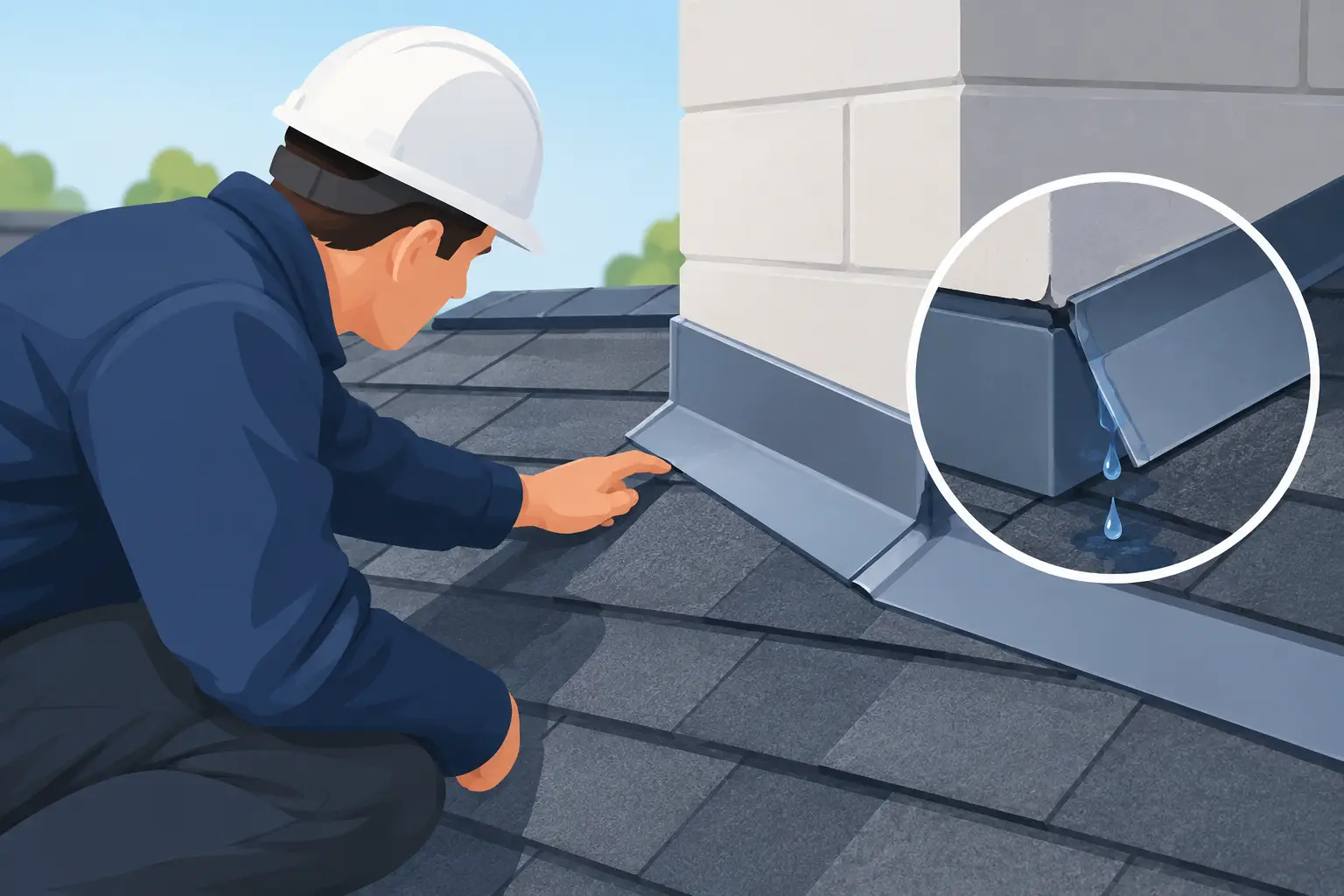
Water does not always enter a roof through a missing shingle. Often, the trouble starts where the roof changes direction or meets another surface. A roof flashing repair leak can allow water behind shingles, siding, trim, or roofing underlayment, where damage may grow long before a stain appears on the ceiling.
Flashing is a small part of the roofing system with a big job. It directs rain away from the vulnerable joints around chimneys, roof valleys, vent pipes, skylights, dormers, and walls. When that material loosens, rusts, cracks, or is installed incorrectly, the roof may look fine from the yard while water is moving into places it should never reach.
When a Roof Flashing Repair Leak Needs Attention
A flashing leak deserves attention as soon as you suspect it, especially in Coastal Georgia and the Lowcountry, where heavy rain, wind-driven storms, salt air, and long humid stretches put roofing materials to work. A small opening can become a bigger problem after one hard storm.
The warning signs are not always dramatic. You may notice a brown ceiling spot near a chimney or exterior wall, peeling paint, damp insulation in the attic, or a musty odor after rainfall. In some cases, water shows up far from the actual opening because it travels along roof decking, rafters, or framing before dripping.
Outside, visible signs can include lifted flashing edges, separated sealant, exposed fasteners, rust on older metal flashing, cracked pipe boots, or shingles that have pulled away from a sidewall. These conditions do not confirm the full extent of the issue on their own, but they are strong reasons to schedule a professional inspection.
If water is actively entering the home, place a container under the drip if it is safe to do so and move furniture, electronics, and valuables away from the area. Avoid climbing onto a wet roof or trying to seal the area during a storm. Emergency roof conditions are best assessed from the ground and handled by trained professionals with the proper equipment.
Why Flashing Fails
Flashing is typically made from metal, though modern roofing systems also use specialized membranes, pipe boots, sealants, and transition materials. It works only when each component overlaps correctly and remains securely integrated with the surrounding roofing.
Age is one common cause of failure. Sealant dries out, metal can corrode, and repeated expansion and contraction can open small gaps. Wind can lift nearby shingles or loosen flashing at roof-to-wall connections. Tree limbs and storm debris can bend metal or crack a vent boot. Even a repair completed years ago may fail if it relied too heavily on surface caulk instead of properly layered flashing.
Installation details matter just as much. Water needs a clear path down and off the roof. If flashing was nailed in the wrong location, tucked beneath materials incorrectly, or not extended far enough, rain can work behind it. This is why a quick patch is not always the right repair. The visible gap may be only one part of a larger installation problem.
The Areas Where Leaks Commonly Start
Chimneys are a frequent source of flashing trouble because they interrupt the roof plane on several sides. Proper chimney flashing generally includes step flashing along the edges, counterflashing tied into the masonry, and a cricket or saddle behind wider chimneys to divert water. A failed caulk line around a chimney may be the symptom, not the full solution.
Sidewalls and dormers also require careful step flashing. Each piece should work with the shingle course below it so water sheds outward rather than running behind the wall covering. When siding, trim, or roofing materials conceal this area, a careful inspection becomes especially valuable.
Pipe penetrations need attention too. The rubber or synthetic boot around a plumbing vent can crack from sun exposure, and the flashing flange beneath the surrounding shingles can shift or fail. Skylights, valleys, attic vents, and transitions between a roof and an exterior wall all have their own flashing requirements.
A leak near one of these areas does not automatically mean the flashing alone is at fault. Damaged shingles, worn underlayment, clogged gutters, masonry cracks, or siding defects can create similar symptoms. A good inspection identifies where water is entering before repair work begins.
What a Proper Flashing Repair Looks Like
The right repair depends on the roof type, the location of the failure, and the condition of the surrounding materials. In a limited repair, a roofer may remove shingles around the affected area, replace damaged step flashing or pipe flashing, install compatible underlayment, and reinstall or replace shingles as needed. The goal is to restore the layered water-shedding system, not just cover a gap.
For a chimney, the work may involve replacing corroded flashing, correcting counterflashing, or addressing damaged mortar joints. Around a wall, it may require removing a section of siding or trim so the flashing can be properly integrated. Those extra steps can feel inconvenient, but leaving hidden failed materials in place can invite the same leak back.
Sealant has a role in roofing, but it is not a substitute for sound flashing. A patch of roofing cement or caulk may slow water temporarily in the right situation. It should not be presented as a permanent answer when metal flashing, shingles, or underlayment have failed underneath.
Matching materials also matters. New flashing should be compatible with the roof system and surrounding metals. The repair should protect the drainage path, preserve shingle performance, and avoid creating unnecessary nail holes or raised areas that catch water.
Repair or Replacement: How to Make the Call
Not every roof flashing repair leak means the entire roof needs replacement. If the roof is generally in good condition and the problem is isolated, a focused repair can be a sensible way to protect the home and extend the roof’s service life.
Replacement becomes more likely when flashing failures appear in several locations, shingles are brittle or broadly damaged, roof decking has widespread moisture damage, or the roof is near the end of its useful life. Repeated leaks at multiple penetrations can also indicate that the roof system needs more than another small patch.
The best decision comes from the condition of the whole roof, not a guess based on one ceiling stain. A thorough inspection should look at flashing, shingles, penetrations, attic conditions when accessible, gutters, and the roof’s drainage patterns. Dated photos, measurements, and a written estimate give property owners a clear record of what was found and what repair options make sense.
Do Not Wait for Visible Interior Damage
By the time water reaches drywall, it may already have affected insulation, roof decking, framing, or exterior trim. Moisture can encourage mold growth and wood deterioration, and a small repair can turn into a larger restoration project if it is left through multiple rain events.
That does not mean every stain signals a roofing emergency. Condensation, plumbing leaks, and HVAC issues can also produce interior moisture. But if the spot worsens after rain, appears near a roof transition, or is accompanied by visible flashing damage, it is wise to have the roof checked promptly.
For homeowners in Pooler, Savannah, and surrounding coastal communities, storm-season inspections can be especially useful after strong winds or wind-driven rain. A trained roofer can assess conditions that are difficult to see safely from the ground, including with drone imagery when appropriate.
Get the Cause Fixed, Not Just the Drip Covered
A roof should give your home dependable protection in ordinary rain and during the weather that puts Coastal Georgia roofs to the test. Real Good Roofing approaches flashing concerns by identifying the source of the water, explaining the condition in plain language, and recommending the repair that fits the roof rather than applying a one-size-fits-all patch.
If you have noticed a stain, a drip, loose metal, or a problem around a chimney or vent, acting early gives you more options. A careful inspection and a properly built repair can keep a small flashing issue from becoming damage hidden behind the walls.