
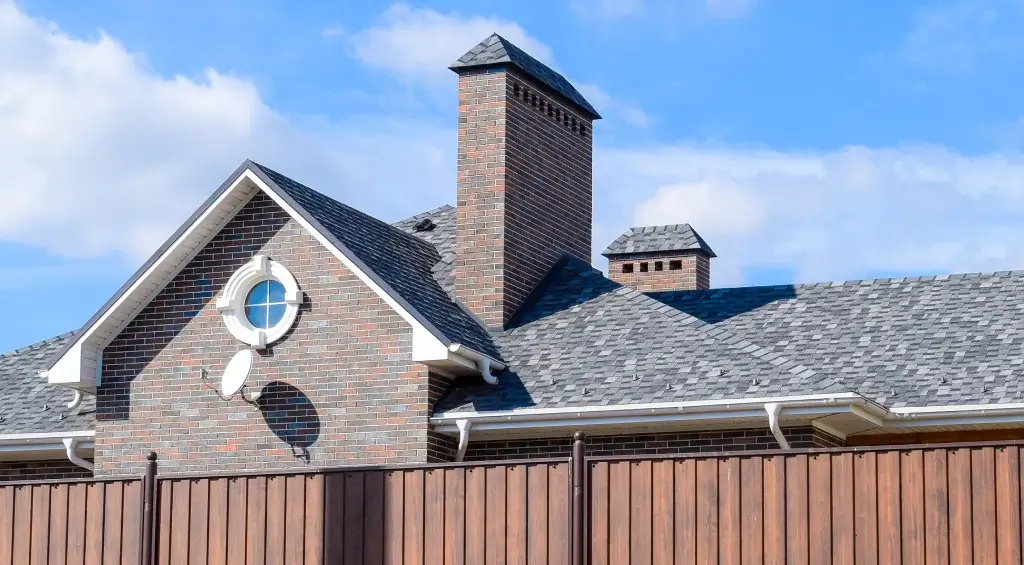
Proper roof ventilation is an often overlooked but essential factor in maintaining the longevity and energy efficiency of your home. Especially in Georgia, where the summer heat can be punishing and humidity levels rise, ensuring your roof has the right ventilation can make a significant difference in both comfort and utility bills. Not only does it protect your home from excessive heat buildup, but it also helps in extending the lifespan of your roof. In this guide, we will explore practical ways to improve roof ventilation for better efficiency, while also considering Georgia’s unique climate conditions. Real Good Roofing Company, based in Georgia, provides expert services such as Roof Repair, Roof Replacement, Roof Installation, and Storm Damage Roof Repair to meet your home’s specific needs.
Why Roof Ventilation Matters in Georgia’s Climate
Georgia’s climate presents its own set of challenges when it comes to roofing. With hot, humid summers and the occasional severe storm, ensuring your roof is properly ventilated is crucial to protect your home’s integrity. Poor ventilation can lead to a buildup of heat and moisture in the attic, which not only raises your energy bills but also accelerates the wear and tear on your roof. Condensation from excess humidity can cause mold, mildew, and wood rot, compromising your home’s structure.
In contrast, well-ventilated roofs help regulate indoor temperatures and prevent moisture damage, ensuring your roof lasts longer and your home stays comfortable. Homeowners in Georgia, whether in Atlanta, Savannah, or smaller towns like Macon, should take proactive steps to evaluate and improve their roof ventilation to avoid costly repairs or even the need for a premature Roof Replacement.
Signs Your Roof Ventilation Needs Improvement
Before diving into solutions, it’s essential to recognize the signs that your roof’s ventilation may be inadequate. Many Georgia homeowners only become aware of ventilation issues once they experience serious problems like leaks or sky-high cooling costs. Here are some indicators to watch out for:
- Uneven room temperatures: If certain areas of your home are much hotter than others, this could be a sign that your roof isn’t properly venting hot air.
- High energy bills: Inadequate ventilation forces your HVAC system to work harder, increasing energy consumption.
- Mold and mildew growth: Damp conditions in your attic are a clear sign of poor airflow, leading to moisture buildup.
- Ice dams in winter: Though Georgia doesn’t experience harsh winters, occasional cold snaps can cause ice damming on poorly ventilated roofs.
- Peeling paint or warped shingles: Excess heat trapped under the roof can lead to structural damage, such as shingle warping or paint peeling on your ceiling and walls.
If you notice any of these issues, it’s time to consult a local roofing expert for an inspection and possible Roof Repair.
Effective Solutions to Improve Roof Ventilation
Improving roof ventilation can vary depending on the age of your roof, its current structure, and the type of roofing materials used. At Real Good Roofing Company, we recommend the following solutions for Georgia homeowners looking to optimize their roof’s performance and efficiency:
1. Ridge Vents and Soffit Vents
One of the most effective ways to ventilate a roof is by installing both ridge and soffit vents. Ridge vents run along the peak of the roof, allowing hot air to escape, while soffit vents at the eaves pull cool air in. This continuous airflow ensures that your attic remains at a stable temperature, even during Georgia’s hottest days. If your roof currently lacks this system, upgrading to include ridge and soffit vents could be a game-changer for your home’s energy efficiency.
2. Attic Fans
Installing attic fans is another excellent way to improve ventilation, especially in older homes that might not be designed with modern venting in mind. These fans help push hot air out of the attic space, reducing the temperature during peak summer heat. Solar-powered attic fans are also an eco-friendly option, perfect for Georgia homeowners looking to improve energy efficiency without adding to their power bills.
3. Gable Vents
For homes with gable roofs, gable vents offer another solution for ventilation. These vents are installed at the ends of the roof’s gable, allowing air to flow through the attic. While gable vents might not be as efficient as ridge and soffit vents, they can still provide significant airflow improvements, especially when paired with an attic fan or other ventilation solutions.
4. Ventilation Upgrades During Roof Installation or Replacement
If you’re considering a Roof Replacement or Roof Installation, it’s the perfect time to think about upgrading your ventilation system. When installing a new roof, roofing professionals can make structural modifications to ensure better airflow. This can include adding more vents, improving attic insulation, or selecting materials that allow for better breathability. Investing in proper ventilation during installation will save you both time and money in the long run.
The Impact of Proper Ventilation on Roof Longevity
A well-ventilated roof not only reduces energy costs but also plays a critical role in extending the life of your roof. In Georgia, where roofs are constantly exposed to both intense summer heat and occasional storm damage, proper ventilation can prevent common issues like roof deck warping, shingle deterioration, and mold growth. Without adequate airflow, trapped heat and moisture will accelerate the breakdown of your roofing materials, resulting in the need for premature Roof Repair or, worse, a full Roof Replacement.
Moreover, proper ventilation can protect your home from storm damage. During severe weather, a well-ventilated roof is less likely to suffer from structural damage caused by wind-driven rain or hail. If your roof does experience damage from storms, Real Good Roofing Company provides expert Storm Damage Roof Repair services to restore your roof’s integrity and ensure it’s properly vented for future protection.
Routine Roof Maintenance to Ensure Ventilation Efficiency
Once you’ve improved your roof’s ventilation, it’s important to maintain it. Regular inspections, especially after Georgia’s summer storms or winter cold spells, are key to ensuring your ventilation system remains effective. Here’s what to include in your routine roof maintenance:
- Check for Blocked Vents: Leaves, debris, or even small animals can block vents, reducing airflow and compromising efficiency. Clear your vents regularly to prevent this.
Inspect the Attic: Ensure there are no signs of moisture buildup, mold, or excessive heat, which may indicate a ventilation issue. - Look for Damaged Shingles or Roof Decking: Warped or cracked shingles can be a sign of poor ventilation and should be addressed promptly to avoid further damage.
- Schedule Professional Inspections: Hiring a local roofing professional to inspect your ventilation system ensures that any potential problems are caught early, preventing costly repairs down the line.
If you discover ventilation issues during maintenance, Real Good Roofing Company offers Roof Repair, Roof Replacement, and Roof Installation services tailored to Georgia’s climate and conditions. By staying on top of your roof’s health, you’ll maximize efficiency and extend the life of your roof.
FAQs
How do I know if my roof needs more ventilation?
Signs include uneven indoor temperatures, high energy bills, and attic moisture. Regular roof inspections are key.
Can poor ventilation damage my roof?
Yes, inadequate ventilation can lead to mold growth, shingle damage, and structural issues, shortening the lifespan of your roof.
How can I improve ventilation in an older home?
Older homes may benefit from installing attic fans, ridge vents, or upgrading insulation during Roof Installation or Roof Replacement.
Do I need professional help to install roof ventilation?
For best results, hire a professional roofing company like Real Good Roofing Company, which understands Georgia’s unique roofing needs.
Will improving ventilation reduce my energy bills?
Yes, proper ventilation helps regulate your home’s temperature, reducing the strain on your HVAC system and lowering energy costs.
What role does ventilation play during roof replacement?
During a Roof Replacement, it’s the perfect time to assess and upgrade your ventilation system for maximum efficiency and longevity.
Conclusion
Improving your roof’s ventilation is one of the most effective ways to enhance energy efficiency, extend the lifespan of your roof, and protect your home from the harsh conditions of Georgia’s climate. Whether you need a quick Roof Repair or are planning a full Roof Replacement, optimizing your ventilation system should be a priority. Real Good Roofing Company offers expert services to ensure your roof is in top condition, with the right ventilation in place for peak performance.