
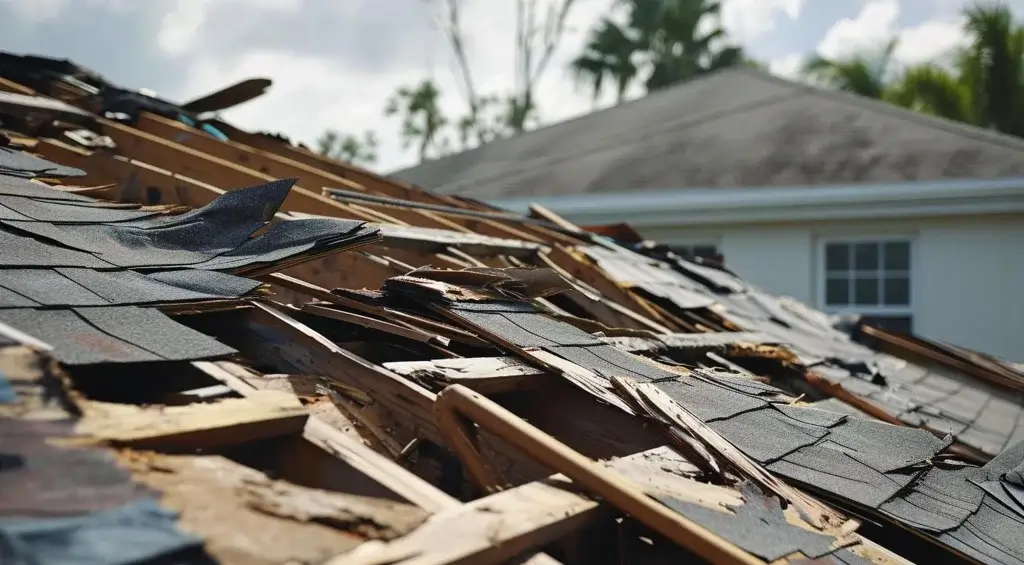
Dealing with roof damage can be overwhelming, especially when it comes to navigating insurance claims. As a Georgia homeowner, it’s important to know how to approach the insurance claims process to ensure that your repairs or replacements are covered. In this guide, we’ll walk you through the essential steps of handling roof damage insurance claims, with insights specific to Georgia’s weather and roofing regulations. Whether your roof has been damaged by a recent storm or has started to show signs of wear and tear, understanding how to file and follow up on a claim is key to getting your home back in shape.
Understanding Roof Damage Insurance Claims in Georgia
Georgia homeowners face a unique set of challenges when it comes to roof damage, largely due to the state’s volatile weather patterns. With frequent thunderstorms, hail, and even the occasional hurricane, roofs are often at the mercy of nature. When significant damage occurs, filing a claim with your insurance company can help cover the costs of roof repair, roof replacement, or even a full roof installation.
One of the most important aspects of managing roof damage insurance claims is knowing what your policy covers. In Georgia, most standard homeowner insurance policies cover damage caused by storms, hail, wind, and other unexpected events. However, they often exclude issues like wear and tear or poor maintenance. It’s critical to review your policy in detail before any damage occurs so that you’re prepared when the time comes to file a claim.
Steps to Take After Roof Damage
If your roof is damaged during a storm or due to other unforeseen events, it’s essential to act quickly to minimize further harm and ensure a smooth claims process.
- Assess the Damage Safely: After a storm, carefully inspect your roof from the ground. Look for obvious signs of damage like missing shingles, dents from hail, or debris lodged in the roof. If the damage seems extensive, it may be time to call a professional roofing company for a thorough inspection. A Georgia-based roofing contractor, like Real Good Roofing, can help assess the extent of the damage and determine whether you need a storm damage roof repair or a complete roof replacement.
- Document the Damage: Take clear photos of the roof damage and make a list of what you observe. This evidence will be crucial when you file your insurance claim. It’s also helpful to write down the date of the event that caused the damage—Georgia is known for its unpredictable weather, and this documentation can support your case if you need to prove that the damage was due to a specific storm or incident.
- Mitigate Further Damage: Insurance companies expect homeowners to take reasonable steps to prevent additional damage after an incident. This could include covering the damaged area with a tarp or securing any loose shingles until professional help arrives. A local roofer like Real Good Roofing can assist with temporary fixes while you await the claims process to unfold.
Filing a Roof Damage Insurance Claim
Filing a claim can feel daunting, but if you’re prepared, it’s a fairly straightforward process. In Georgia, where storm-related claims are common, following these steps will help you navigate the process more efficiently:
- Contact Your Insurance Company Promptly: After documenting the damage, reach out to your insurance company as soon as possible. Most insurers have a specific window of time in which claims must be filed, and delays could result in a denial of coverage. Provide them with all necessary information, including the documentation and photos you’ve collected.
- Schedule an Inspection with an Adjuster: Once your claim is initiated, your insurance company will likely send an adjuster to inspect the damage. This inspection determines the extent of the coverage for your roof. To ensure that all damage is properly documented, it’s wise to have your roofer’s photo report ready for the adjuster’s visit. At Real Good Roofing, we provide detailed inspection reports and photos so you have what you need when you file your claim.
- Review the Settlement Offer: After the adjuster’s inspection, you’ll receive a settlement offer from your insurance company. This offer details how much the insurance company will pay for the repairs or replacement. If the offer doesn’t fully cover the costs, you can ask your insurance company to review it again; a detailed written estimate from your roofer can help you understand local material and labor costs. Real Good Roofing can provide a detailed estimate that aligns with Georgia’s pricing standards to ensure you’re getting a fair settlement.
Common Issues with Roof Damage Insurance Claims
Even when you follow all the right steps, insurance claims don’t always go as smoothly as planned. It’s not uncommon for Georgia homeowners to face hurdles in the claims process, particularly when it comes to roof damage caused by storms. Here are a few challenges you might encounter and how to address them:
- Claims Denials: Some claims are denied due to policy exclusions, insufficient documentation, or disputes over the cause of the damage. To reduce the risk of denial, work closely with your roofing contractor to provide accurate and thorough documentation. If your claim is denied, don’t hesitate to appeal. With the frequent storm activity in Georgia, insurance companies are accustomed to roof damage claims, but they may require additional proof.
- Undervalued Settlements: Insurance companies often aim to minimize payouts. If the settlement offer doesn’t cover the full cost of the roof repair or roof replacement, you can request a reinspection or provide additional documentation to justify the costs.
- Slow Response Time: During peak storm seasons, insurance companies may be overwhelmed with claims. If your claim is taking too long, regularly follow up and consider enlisting your roofing contractor to help keep the process moving.
Working with a Local Roofing Contractor
One of the best ways to ensure a smooth roof damage insurance claim process is by working with a reputable local roofing company. Real Good Roofing is based in Georgia and has extensive experience helping homeowners navigate the complex world of insurance claims. Local knowledge is crucial, as we understand the specific weather patterns that impact Georgia roofs and can provide the most accurate and efficient solutions, whether it’s for a simple roof repair or a complete roof installation.
By choosing a local contractor, you also gain access to someone who is familiar with Georgia’s building codes and insurance requirements, which helps avoid unnecessary delays or complications. For example, we know the impact that Georgia’s high humidity can have on roofing materials, which helps us recommend the best long-term solutions for roof replacement projects.
FAQs
How long do I have to file a roof damage insurance claim in Georgia?
Most insurance policies in Georgia require homeowners to file a claim within one year of the incident, but it’s best to check your individual policy for specific timelines.
Does my homeowner’s insurance cover storm damage?
Yes, most Georgia homeowner’s insurance policies cover damage from storms, hail, and wind. However, coverage may vary based on the cause of the damage and your specific policy.
Will my insurance premium go up if I file a roof damage claim?
Filing a claim can potentially lead to an increase in your premium, but it depends on the nature of the claim and your insurance provider’s policies.
Can I choose any roofing contractor for repairs?
You can choose any licensed roofing contractor, but it’s beneficial to work with a local contractor like Real Good Roofing, who understands Georgia’s specific requirements and can help manage the claims process more effectively.
What should I do if my claim is denied?
If your roof damage claim is denied, you can appeal the decision. It’s important to provide additional documentation or seek the assistance of a roofing contractor to help prove the extent of the damage.
How can I tell if I need a roof repair or replacement?
A roofing inspection from a professional can help determine whether your roof needs a roof repair or a full roof replacement. In Georgia, frequent storms may require a more comprehensive solution depending on the extent of the damage.
Conclusion
Handling roof damage insurance claims in Georgia can be a challenging process, but with the right preparation and support, it’s manageable. By partnering with a trusted local roofing company like Real Good Roofing, you can streamline the claims process and ensure that your home is properly restored, whether it requires a storm damage roof repair, roof replacement, or a new roof installation. Acting quickly, documenting the damage, and working closely with both your insurance provider and a qualified roofer are essential steps to successfully handling a roof damage insurance claim in Georgia.