
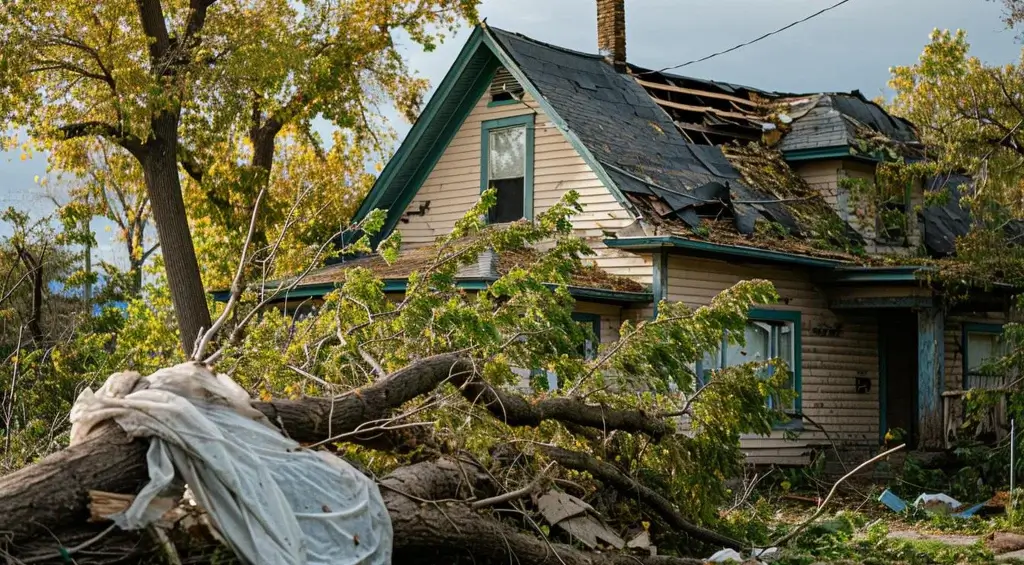
When it comes to maintaining your home in Georgia, your roof is undoubtedly one of the most critical elements. Yet, the lush greenery and towering trees that make many Georgia neighborhoods beautiful can also present a significant risk to your roof, particularly in the wake of unpredictable weather patterns. Tree damage to roofs is an unfortunate reality many homeowners face, often requiring prompt attention to prevent further structural damage. From fallen branches during a storm to creeping roots that go unnoticed, tree damage can compromise the integrity of your roof in ways that demand both Roof Repair and even Roof Replacement if left unchecked.
Why Georgia Roofs Are Vulnerable to Tree Damage
Georgia is known for its diverse weather patterns, which can shift rapidly from sunny days to severe storms. Thunderstorms, high winds, and even tornadoes are frequent occurrences across the state. Combined with the lush tree cover in many areas like Marietta, Atlanta, and Alpharetta, this creates a perfect storm for tree-related roof damage. Large oaks, pines, and magnolias, while adding charm to your property, can cause significant harm when their branches fall or their roots affect the surrounding foundation.
Because of the state’s high humidity levels, trees grow quickly, often without homeowners realizing how dangerously close they are to roofs. The heavy rainfall that comes with Georgia’s frequent storms softens the ground, increasing the likelihood that trees could uproot and fall directly onto homes. Whether you’re dealing with a heavy branch or an entire tree falling on your roof, Storm Damage Roof Repair is a service many Georgia residents end up needing more often than they’d like.
Common Signs of Tree Damage on Your Roof
Identifying tree damage early can be the difference between a simple Roof Repair and a costly Roof Replacement. Here are some key signs to watch for if your roof has been impacted by tree damage:
- Fallen Limbs or Branches: The most obvious sign is the presence of branches or even large limbs lying on the roof after a storm. Even if they don’t seem to have pierced through your shingles, the impact alone can loosen materials, leading to leaks and further deterioration over time.
- Sagging Roofline: After a tree limb falls on your roof, even if the damage isn’t immediately visible, the added weight could cause your roof to sag. This is a clear sign that the structure has been compromised and needs urgent attention.
- Cracked Shingles or Tiles: Look out for cracks, breaks, or missing shingles that might have been knocked loose by overhanging branches. Damaged shingles can expose your roof to water infiltration and lead to serious problems if not addressed quickly.
- Debris Accumulation in Gutters: Overhanging trees drop leaves, needles, and other debris, which can accumulate in your gutters. If your gutters are clogged, water will back up onto the roof, leading to moisture damage and possibly the need for a Roof Installation or significant repairs down the line.
Preventing Tree Damage to Your Roof
Fortunately, there are several preventative measures Georgia homeowners can take to protect their roofs from tree damage. Here are some practical steps you can follow:
- Regular Tree Trimming: Routine maintenance of trees around your home can minimize the risk of damage. Trim back overhanging branches, especially those that are within ten feet of your roofline.
- Monitor Tree Health: Trees that are diseased, dead, or dying are more likely to fall in a storm. If you notice discolored leaves, bare branches, or peeling bark, consider having an arborist inspect the tree. Removing weak or dying trees before they become a hazard is an excellent way to avoid roof damage.
- Install Gutter Guards: Gutter guards can help keep leaves and other debris from clogging your gutters. This can prevent water damage from backflow onto your roof during heavy rainfall, a frequent issue for homes in Georgia.
- Invest in Roof Inspections: Even if you don’t notice visible signs of tree damage, it’s wise to schedule a roof inspection, especially after storms. A professional roofing contractor can spot issues that aren’t obvious from the ground and help you stay ahead of potential problems.
What to Do After Tree Damage Occurs
If a tree falls on your roof or you notice branches have caused damage, quick action is essential. Here’s what you should do:
- Assess the Damage: Before contacting your insurance company or roofing professional, take pictures of the damage, if it’s safe to do so. Documenting the extent of the damage will help when filing a claim.
- Temporary Fixes: If there are visible holes or leaks, use tarps or temporary coverings to minimize further water infiltration until a professional can arrive for Storm Damage Roof Repair.
- Call a Local Roofing Contractor: Whether you need a simple Roof Repair or a complete Roof Replacement, hiring a Georgia-based roofing expert is crucial. Local contractors understand the unique challenges posed by the region’s climate and vegetation, and they can recommend the best course of action for your specific situation.
Georgia’s Most Common Trees and Their Impact on Roofs
Georgia is home to a wide variety of trees, many of which have the potential to damage your roof. Here are some of the most common culprits:
- Oak Trees: Known for their strength and size, oak trees are a beautiful addition to any yard but can wreak havoc on your roof. Their large branches can easily break during high winds, leading to significant structural damage.
- Pine Trees: Georgia’s pine trees are tall and slender, making them particularly vulnerable during storms. Their shallow root systems mean they can easily be uprooted and fall onto your roof.
- Magnolia Trees: While beautiful, magnolias are dense and heavy, making their branches a threat to roofs if they are not regularly pruned. Their thick leaves can also block gutters, leading to water damage over time.
Each of these trees requires careful attention and maintenance to minimize the risk of damage to your roof. If you live in areas like Savannah or Athens, where large, old-growth trees are common, tree-related roof damage is an issue you’ll want to stay ahead of.
Tree Damage and Storm Preparedness
With Georgia’s reputation for intense storms and unpredictable weather, preparing your roof for tree damage before a storm hits can save you a lot of hassle—and money. Here’s how you can protect your roof:
- Pre-Storm Pruning: Well before storm season begins, hire a professional to prune any trees that overhang your roof. Remove any dead or weakened branches that could pose a threat during high winds.
- Roof Reinforcement: If you know a storm is on the horizon, consider reinforcing your roof with additional bracing or supports. This can help prevent sagging or structural damage if a tree limb were to fall.
- Create an Emergency Plan: In case of significant tree damage during a storm, have a plan for where you and your family will stay. While the team at Real Good Roofing handles your Roof Repair or Roof Installation, you’ll want to make sure you’re not living under an unsafe roof.
How Real Good Roofing Can Help with Tree Damage
At Real Good Roofing, we understand the unique challenges that Georgia homeowners face when it comes to tree damage. Our team is experienced in Storm Damage Roof Repair, and we can help with everything from minor Roof Repair to complete Roof Replacement depending on the extent of the damage. Whether you need emergency repairs after a storm or are simply looking for a regular inspection to catch potential problems early, we’re here to help.
Our roofing services cover all areas of Georgia, from the Atlanta metro to more rural communities, and we pride ourselves on delivering fast, reliable, and affordable solutions tailored to your needs. If you suspect that tree damage has compromised your roof, don’t wait for the problem to worsen. Contact Real Good Roofing today for expert assistance.
FAQs
What should I do if a tree branch falls on my roof?
If a tree branch falls on your roof, prioritize safety first. Avoid entering rooms directly below the impacted area and call a local roofing contractor for an immediate inspection. Temporary tarping can prevent further damage until professional help arrives.
How can I tell if tree damage has affected my roof’s structure?
Look for sagging rooflines, cracks in shingles, or noticeable leaks after a tree limb has fallen. A professional inspection can also uncover hidden damage that may not be visible from the ground.
Does homeowner’s insurance cover tree damage to roofs in Georgia?
In most cases, yes. Many homeowner’s insurance policies will cover roof damage caused by fallen trees, especially after a storm. However, coverage may depend on the specifics of your policy, so it’s important to review your coverage and contact your insurance provider promptly.
How often should I trim trees around my home?
Trees should be inspected and trimmed at least once a year, especially before storm season in Georgia. Professional tree care services can ensure branches aren’t too close to your roof, reducing the risk of damage.
What are the dangers of leaving tree damage untreated?
Ignoring tree damage can lead to water infiltration, mold growth, and structural weakening of your roof. Over time, what could have been a minor Roof Repair could turn into a full Roof Replacement if left unaddressed.
Can overhanging branches damage my roof even if they don’t fall?
Yes. Overhanging branches can scrape shingles and tiles, gradually wearing them down over time. The accumulation of leaves and debris can also clog gutters, leading to moisture damage and leaks.