
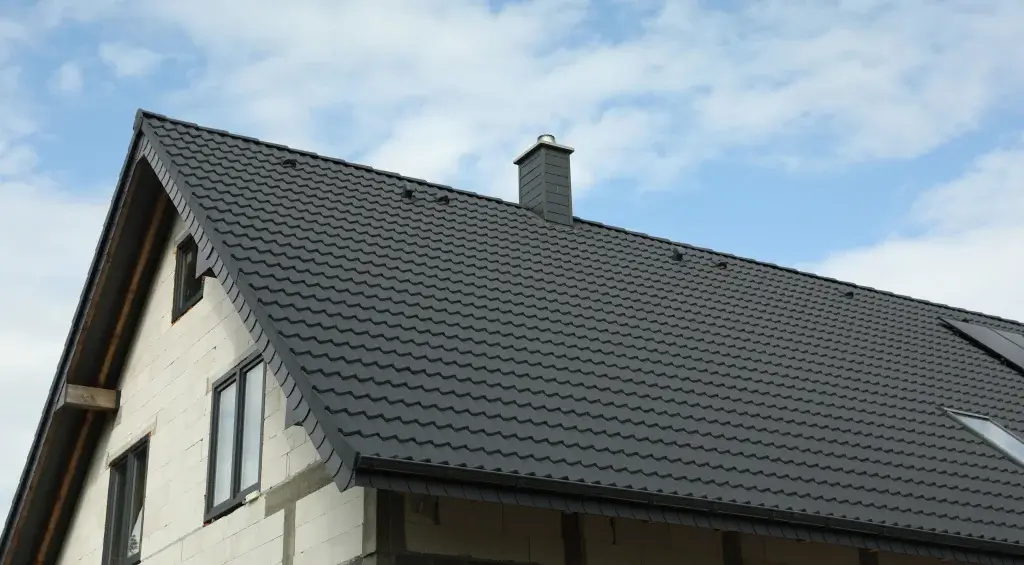
Georgia is known for its diverse and sometimes extreme weather patterns, which can significantly impact the lifespan of your roof. From the scorching heat of the summer months to the unpredictable storms and occasional winter freezes, every season presents unique challenges for residential and commercial roofs across the state. Understanding how these conditions affect your roof’s longevity is critical in making informed decisions about roof repair, roof replacement, and general roof maintenance. At Real Good Roofing, we specialize in helping Georgia homeowners protect their homes by offering expert services tailored to combat the local climate.
Georgia’s Unique Climate and Its Effects on Roofing
The climate in Georgia is marked by four distinct seasons, each contributing to wear and tear on your roof in different ways. The combination of intense summer heat, frequent thunderstorms, humidity, and occasional cold snaps can reduce a roof’s expected lifespan, especially without proper care.
Heat and UV Radiation in the Summer
Georgia’s summers are notoriously hot, with temperatures often reaching well into the 90s and even crossing the 100-degree mark. Prolonged exposure to such intense heat and ultraviolet (UV) rays can lead to several issues, including the cracking and warping of roofing materials, particularly asphalt shingles. Over time, this heat-induced damage weakens the integrity of the roof, making it more susceptible to leaks and necessitating frequent roof repairs.
Moreover, the constant cycle of heating during the day and cooling at night can cause roofing materials to expand and contract. This continuous movement may lead to micro-fissures that gradually grow larger, allowing moisture to penetrate the roof. Homeowners in Georgia should consider regular inspections, especially during the hot months, to catch early signs of damage before they escalate into more costly problems.
Thunderstorms and High Winds
Georgia’s summer thunderstorms can arrive with little warning, bringing with them heavy rains, high winds, and even hail. These intense weather events can wreak havoc on a roof, loosening shingles, creating leaks, or even causing significant structural damage. The high winds often accompanying these storms can lift or tear away roofing materials, leaving the underlayment exposed to the elements.
After a major storm, it’s essential to check for visible damage and address any issues promptly with a professional storm damage roof repair service. Post-storm evaluations help prevent minor problems from becoming major headaches. At Real Good Roofing, we offer free inspections to assess any potential damage caused by Georgia’s unpredictable weather, helping homeowners avoid premature roof replacement.
Humidity and Its Long-Term Impact
The state’s humid climate, especially during the summer and fall, can create ideal conditions for mold, mildew, and algae growth on roofs. This issue is particularly common in areas with lower sun exposure or on shaded sections of the roof. Over time, these growths not only stain the roof but can also trap moisture, leading to rot and weakened materials.
Proper ventilation is critical for reducing moisture buildup under the roof. Georgia homeowners should consider having their attic space checked to ensure it is adequately ventilated, reducing the chances of long-term water damage. In some cases, a roof replacement may be necessary if the damage has progressed too far, but roof repairs can often address minor moisture-related issues if caught early.
Seasonal Changes: Winter Freezes and Ice Dams
Though Georgia winters are generally mild, occasional freezing temperatures can still impact roofing materials. Frost and ice formation, especially in northern parts of the state, can create additional stress on shingles and gutters. Ice dams, although rare in Georgia, can still form in colder regions or during particularly harsh winters, leading to water backup under the shingles and eventual roof leaks.
Even in milder winters, the combination of cold temperatures and moisture can cause shingles to become brittle, leading to cracking. Regular inspections in the fall and early winter can help prepare your roof for these seasonal shifts. When it comes to maintaining your home’s value and structural integrity, roof installation services by experienced professionals can ensure your home is better equipped to handle Georgia’s winter climate.
The Importance of Regular Maintenance
The key to extending the lifespan of any roof in Georgia is regular maintenance. Many homeowners underestimate the power of a proactive approach when it comes to roof care, but by scheduling annual inspections and making small repairs as needed, you can avoid larger, costlier issues down the road.
Our team at Real Good Roofing recommends scheduling a professional inspection at least twice a year—once after winter and again after summer. These inspections can help catch any early signs of wear and tear, particularly after extreme weather events. Regular maintenance and prompt roof repairs not only extend the life of your roof but also help you avoid the need for premature roof replacement.
Local Expertise: Why Choose Real Good Roofing?
As a Georgia-based roofing company, Real Good Roofing understands the local weather patterns and how they uniquely affect homes in the area. With decades of experience, our team is equipped to handle everything from small roof repairs to complete roof installations. We know what materials work best in Georgia’s climate, and we only recommend products that can withstand the state’s fluctuating weather.
Whether you’ve experienced storm damage or need a routine inspection, our locally-based team offers the personalized service that homeowners expect. We take pride in our ability to offer customized solutions, whether it’s addressing the aftermath of a severe storm or planning for a new roof installation. When you choose Real Good Roofing, you’re not just getting a contractor—you’re partnering with a trusted local expert who understands your home’s specific needs.
How Storms Can Accelerate Roof Deterioration
Storms in Georgia are not to be underestimated. The state frequently experiences severe weather, including hurricanes, tropical storms, and powerful thunderstorms. These can lead to significant roof damage, ranging from minor shingle loss to more extensive issues like leaks and structural damage.
High winds and flying debris pose a major threat to roofs, particularly for older or already weakened structures. Hailstones, even small ones, can cause enough damage to necessitate immediate storm damage roof repair. While some damage might not be immediately visible, hidden issues such as leaks or structural weaknesses can lead to long-term problems if not addressed promptly.
The Lifespan of Different Roofing Materials in Georgia
The type of roofing material you choose plays a significant role in how well your roof will withstand Georgia’s climate. Asphalt shingles, the most popular roofing material in the state, generally have a lifespan of 15-30 years. However, exposure to extreme heat and regular storms can shorten that lifespan without proper care.
Metal roofs, on the other hand, tend to hold up better in Georgia’s variable weather, offering a lifespan of 40-70 years. Their resistance to heat, wind, and rain makes them an excellent choice for homeowners looking for durability and longevity. Real Good Roofing offers professional roof installation of both asphalt and metal roofs, ensuring that your home is protected against Georgia’s toughest weather conditions.
Tile and slate roofs, while less common, also provide excellent durability, especially in regions prone to intense sun and heat. However, they may require additional structural support due to their weight, making professional installation crucial.
When to Consider Roof Replacement
Knowing when to opt for a roof replacement rather than a simple repair can be challenging. However, there are certain signs that indicate it may be time for a new roof. These include widespread shingle loss, sagging areas, persistent leaks, and visible damage from storms or extreme weather.
In many cases, a roof nearing the end of its lifespan may require more frequent repairs, making replacement a more cost-effective option. Real Good Roofing offers comprehensive roof assessments to help you determine the best course of action based on your home’s specific needs. Our team will provide a detailed report and guide you through the process of selecting the right materials for your new roof installation.
FAQs
What is the average lifespan of a roof in Georgia?
Due to the state’s extreme weather, most roofs in Georgia last between 15-25 years, depending on the materials used and maintenance routine.
How do thunderstorms affect my roof?
Thunderstorms can cause significant damage by loosening shingles, causing leaks, and creating structural issues from wind and flying debris. It’s essential to inspect your roof after storms for any signs of damage.
Can Georgia’s heat shorten my roof’s lifespan?
Yes, the intense heat and UV radiation in Georgia can cause roofing materials to warp, crack, and deteriorate faster than in cooler climates.
Is it necessary to replace a roof after hail damage?
Not always, but it’s crucial to have an expert inspect the roof for hidden damage. In some cases, roof repairs will suffice, while in more severe situations, roof replacement may be recommended.
What is the best roofing material for Georgia’s climate?
Metal roofs are excellent for Georgia’s weather due to their durability in extreme heat and resistance to storm damage. Asphalt shingles are also a popular and cost-effective option.
How often should I have my roof inspected in Georgia?
Twice a year—once in spring and once in fall—is ideal for most homeowners, with additional inspections after severe weather events like storms or hail.