Category: Storm Damage

  • Storm Resistant Roofing Upgrades Worth Every Penny

    Storm Resistant Roofing Upgrades Worth Every Penny

    In Pooler, GA, where storms are a regular occurrence, your roof must do more than just look good, it needs to withstand the elements. High winds, heavy rain, and flying debris can test any roof’s durability. That’s why many local homeowners are investing in storm resistant roofing upgrades that offer enhanced protection and peace of mind.

    At Real Good Roofing, we’ve seen firsthand how the right upgrades can make a significant difference. Let’s explore the top storm resistant roofing upgrades that are truly worth every penny.

    Why Storm Resistance Matters in Georgia

    Georgia’s climate presents unique challenges:

    • High Winds: Storms can bring gusts that test the limits of standard roofing materials.
    • Heavy Rainfall: Prolonged downpours can lead to leaks and water damage.
    • Flying Debris: Trees and other objects can become projectiles during storms.

    Investing in storm resistant roofing upgrades ensures your home is better equipped to handle these conditions, reducing the risk of damage and costly repairs.

    1. Impact-Resistant Shingles

    Upgrading to impact-resistant shingles is a smart move. These shingles are designed to withstand hail and debris impact, reducing the likelihood of damage during storms.

    Benefits:

    • Durability: Enhanced resistance to cracking and splitting.
    • Insurance Discounts: Some providers offer reduced premiums for homes with impact-resistant roofing.
    • Longevity: Longer lifespan compared to standard shingles.

    2. Metal Roofing

    Metal roofs are gaining popularity in Georgia for their durability and storm resistance.

    Advantages:

    • Wind Resistance: Can withstand high wind speeds.
    • Fire Resistance: Metal is non-combustible, offering added safety.
    • Low Maintenance: Resistant to mold, mildew, and pests.

    3. Enhanced Roof Decking

    Strengthening your roof’s decking provides a solid foundation for other upgrades.

    Key Features:

    • Thicker Materials: Using thicker plywood or OSB boards adds strength.
    • Improved Fastening: Additional nails or screws enhance hold during high winds.
    • Moisture Barriers: Prevents water infiltration during heavy rains.

    4. Waterproof Underlayment

    Adding a waterproof underlayment beneath your roofing material offers an extra layer of protection.

    Benefits:

    • Leak Prevention: Acts as a barrier against water intrusion.
    • Mold Reduction: Minimizes moisture buildup, reducing mold risk.
    • Extended Roof Life: Protects the roof structure from water damage.

    5. Hurricane Straps and Clips

    These metal connectors secure the roof to the walls, providing added stability during storms.

    Advantages:

    • Wind Uplift Resistance: Helps prevent the roof from lifting off during high winds.
    • Structural Integrity: Enhances the overall strength of the building.
    • Code Compliance: Meets or exceeds local building codes for storm-prone areas.

    6. Reinforced Flashing

    Upgrading flashing around chimneys, vents, and skylights prevents water intrusion.

    Key Points:

    • Durable Materials: Use of metal or rubberized materials for longevity.
    • Proper Installation: Ensures tight seals to prevent leaks.
    • Regular Inspection: Identifying and addressing wear before it leads to problems.

    7. Gutter and Drainage Improvements

    Efficient water drainage protects your roof and home’s foundation.

    Improvements:

    • Larger Gutters: Accommodate heavy rainfall.
    • Gutter Guards: Prevent clogging from leaves and debris.
    • Downspout Extensions: Direct water away from the foundation.

    8. Attic Ventilation Enhancements

    Proper ventilation reduces moisture buildup and heat accumulation.

    Benefits:

    • Temperature Regulation: Keeps attic temperatures stable.
    • Moisture Control: Prevents condensation that can damage roofing materials.
    • Energy Efficiency: Reduces cooling costs during hot Georgia summers.

    9. Regular Roof Inspections

    Routine inspections identify potential issues before they become major problems.

    Inspection Focus Areas:

    • Shingle Condition: Checking for cracks, curling, or missing shingles.
    • Flashing Integrity: Ensuring seals are intact.
    • Structural Soundness: Assessing the overall condition of the roof structure.

    For comprehensive inspections, consider our Storm Damage Roofing services.

    10. Emergency Repair Kits

    Having a basic repair kit on hand allows for quick responses to minor damage.

    Kit Essentials:

    • Tarp and Nails: For temporary coverage of damaged areas.
    • Sealant: To patch small leaks.
    • Safety Gear: Gloves and goggles for protection during repairs.

    Local Expertise Matters

    Choosing the right storm resistant roofing upgrades requires understanding local weather patterns and building codes. Real Good Roofing, based in Pooler, GA, brings local knowledge and experience to every project.

    Our team is familiar with the specific challenges Georgia homeowners face and can recommend the most effective solutions tailored to your needs.

    Final Thoughts

    Investing in storm resistant roofing upgrades is a proactive step toward protecting your home and ensuring peace of mind during Georgia’s storm seasons. From impact-resistant shingles to improved drainage systems, these enhancements offer durability and long-term savings.

    For expert guidance and professional installation, trust Real Good Roofing. Explore our Storm Damage Roofing services to learn more about how we can help fortify your home against the elements.
  • How to Spot Hail Roof Damage Before It Gets Worse

    How to Spot Hail Roof Damage Before It Gets Worse

    After a sudden Georgia hailstorm, you might glance at your home and think everything looks fine. But even small hail can cause big problems, especially if it hits your roof. Hail roof damage isn’t always obvious at first, but catching it early can save you from major repairs or costly replacements down the line.

    At Real Good Roofing, we’ve inspected countless roofs in Pooler after hail events. We know exactly what to look for and how to help homeowners protect their homes before things get worse. If you suspect hail may have hit your roof, here’s how to spot the signs and act quickly.

    Why Hail Roof Damage Matters

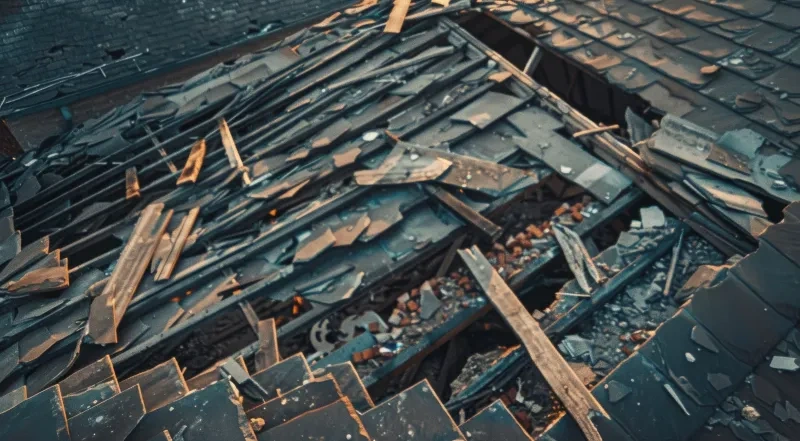
    Your roof is built to handle rain, wind, and even strong sunlight, but hail is a different beast. When ice chunks fall from the sky, they hit hard and fast. Depending on their size and speed, they can crack shingles, knock off granules, and dent metal fixtures.

    If left unchecked, this kind of hail roof damage weakens your roof’s defense against water and leads to long-term problems like:

    • Leaks and water stains inside your home
    • Mold growth in your attic
    • Rotted decking or structural beams
    • Reduced home value

    In Pooler, where warm and humid conditions accelerate water damage, these risks multiply fast. That’s why early detection is key.

    What Hail Damage Looks Like on Asphalt Shingles

    Asphalt shingles are one of the most common roofing materials in Georgia, and also one of the most vulnerable to hail. Here’s what to look for after a storm:

    • Dark or black spots: These are areas where granules have been knocked off, exposing the asphalt underneath.
    • Soft, bruised shingles: Press gently with your fingers. If the spot feels spongy or soft, it may have internal damage.
    • Cracked or broken shingles: Even small fractures can lead to leaks over time.
    • Discoloration or shiny spots: These often appear where hailstones have hit the surface and scraped off protective layers.

    The tricky part? These signs are hard to see from the ground. That’s why we recommend having a professional inspect your roof to confirm the extent of hail roof damage.

    Look for Signs Beyond the Roof

    You don’t always have to climb a ladder to spot potential trouble. Here are some ground-level signs that your roof may have been hit:

    • Dents in gutters or downspouts
    • Damaged siding or window trim
    • Broken outdoor lights or cracked patio furniture
    • Shingle pieces or granules in your driveway or yard

    If hail has damaged other parts of your property, chances are high your roof was affected too.

    Check Your Attic and Ceilings

    Sometimes, the first clue comes from inside your house. After a storm, take a look at your attic and upper ceilings. Watch for:

    • Water stains or discoloration
    • Damp insulation
    • Musty smells or mildew
    • Dripping water or moisture trails

    These signs usually mean water is getting in somewhere, likely due to undetected hail roof damage.

    Why Pooler Homes Are at Risk

    Hail isn’t just a Midwest problem. In Georgia, especially in areas like Pooler, hail is common during spring and summer storms. The mix of high humidity and quick-moving fronts creates conditions that bring hailstorms every year.

    Even smaller hailstones, about the size of a quarter, can leave lasting roof damage. That’s why it’s important to inspect your home after any significant storm, even if you don’t see damage right away.

    What to Do If You Spot Hail Roof Damage

    If you see any of the signs listed above, don’t wait. Acting quickly can help you avoid larger repairs and keep your insurance claim process smooth. Here’s what to do:

    1. Document the damage: Take clear, well-lit photos of all affected areas.
    2. Check your policy: Review your homeowner’s insurance coverage and understand your deductible.
    3. Schedule a professional inspection: Don’t rely on your own eyes alone. Contact a trusted local expert for a full evaluation.
    4. Avoid DIY fixes: Trying to patch things yourself can make the problem worse or invalidate your insurance coverage.

    Real Good Roofing offers fast, reliable Storm Damage Roofing services in Pooler. Our team provides detailed damage reports, gives you documentation for your insurance claim, and ensures every problem is addressed properly.

    How Real Good Roofing Helps Pooler Homeowners

    We’ve helped families across Pooler recover from hailstorms by offering:

    • Thorough, no-pressure inspections
    • Honest assessments and detailed reports
    • Support with insurance claims and paperwork
    • Emergency tarping and temporary leak protection
    • Full repairs and roof replacements when needed

    Our goal is simple: help you protect your home and get back to normal as quickly and affordably as possible.

    Final Thoughts

    Hail damage doesn’t always look like destruction, but it can still cause big trouble. Knowing how to spot hail roof damage early can save you from expensive repairs, protect your home from leaks, and give you peace of mind during storm season.

    If your Pooler home has been through a recent storm, don’t leave things to chance. Contact Real Good Roofing today for a professional inspection and expert support through every step of the repair process. Your roof protects everything you love. Let’s keep it strong and storm-ready.

  • Handling Roof Damage After Storms the Smart Way

    Handling Roof Damage After Storms the Smart Way

    Living in Pooler, GA, means dealing with unpredictable weather. From strong winds to heavy rain and hail, our homes face storm after storm. And one of the first areas to take the hit is your roof. That’s why handling roof damage after storms isn’t just something you should know; it’s something every homeowner must be ready for.

    At Real Good Roofing, we’ve helped countless Pooler families recover quickly and safely from storm damage. We know that what you do in the first hours and days after a storm makes all the difference. With the right steps and the right team, you can protect your home and avoid unnecessary stress and costs.

    Let’s talk about what you should do when a storm hits, and how to do it the smart way.

    Step One: Check for Obvious Signs of Damage

    After a storm passes, your first move is a visual inspection. Walk around your home and look for:

    • Missing shingles
    • Bent or lifted flashing
    • Pieces of roofing in your yard
    • Dents from hail
    • Debris like branches resting on your roof

    Don’t forget to check inside your home too. Water stains on ceilings or walls, damp insulation, or strange dripping sounds may be signs of a roof leak.

    Handling roof damage after storms starts with knowing where the damage is, even if you don’t climb onto the roof. Use binoculars or take pictures from a safe distance to document what you see.

    Step Two: Stay Safe and Don’t Climb Up

    It’s tempting to get on the roof for a better look, but don’t do it. Roofs after storms can be slippery, weak, or unstable. Your safety is more important than trying to fix the problem yourself.

    Instead, call professionals like Real Good Roofing. We’re trained, equipped, and insured to safely inspect your roof after storm damage. Our local team responds quickly in the Pooler area and knows what to look for after Georgia storms.

    Step Three: Prevent Further Damage

    If your roof is actively leaking, take action inside to protect your belongings. Place buckets under drips, move furniture away from wet spots, and cover items with plastic sheets if necessary.

    Tarping a roof can help if you can do it safely, but if not, don’t worry. This is part of what we do when you call our Storm Damage Roofing service. The key is to minimize damage until a permanent fix is in place.

    Step Four: Document Everything

    Before you clean up or make any changes, take pictures of all damage, both inside and outside. This step is very important if you’ll be filing a claim with your insurance company.

    Include close-ups and wide shots. Make notes about what you see and when the storm occurred. The more proof you have, the easier it is to file a strong claim.

    This is a smart part of handling roof damage after storms that can really pay off later when you’re working with insurance.

    Step Five: Call Your Insurance Company

    Let your insurance company know about the damage as soon as possible. Share your documentation and ask what’s covered under your policy. They may send out an adjuster to inspect your home, or they may ask you to get an estimate from a roofer first.

    Real Good Roofing works closely with insurance providers and can assist with inspections, reports, and repair estimates. We give Pooler homeowners clear photos and documentation so they can file their claims without confusion or delay.

    Step Six: Schedule a Professional Inspection

    Even if everything looks okay from the ground, your roof may have hidden damage. A professional inspection is a must. Water can slip into seams, small cracks, or damaged flashing, and weeks later, you could be dealing with serious issues.

    When you call us for a Storm Damage Roofing inspection, we’ll:

    • Look at shingles, flashing, vents, and gutters
    • Check inside the attic for water entry
    • Use photos and notes to create a detailed report
    • Recommend immediate repairs if needed

    Smart homeowners know that handling roof damage after storms means acting early, not waiting until water shows up in the living room.

    Step Seven: Get Repairs Done Right Away

    Storm damage doesn’t get better with time, it gets worse. Once you have a report and know what needs fixing, schedule repairs right away.

    Real Good Roofing offers fast, high-quality storm damage repair for Pooler residents. We understand local building codes, weather conditions, and materials. More importantly, we work fast without cutting corners. That’s how we’ve earned the trust of homeowners across our community.

    Local Tips for Pooler, GA Homeowners

    Here in Pooler, our biggest roof threats come from:

    • Sudden thunderstorm winds
    • Heavy summer downpours
    • Fallen tree limbs during storms
    • Hail in spring and fall

    Local knowledge matters. Our crews know how to identify damage specific to Georgia’s climate, and how to fix it with long-lasting results.

    We also recommend scheduling a roof inspection before hurricane season begins. This makes it easier to identify pre-existing issues and prepare your roof for potential storms.

    How Real Good Roofing Supports You

    At Real Good Roofing, we believe that handling roof damage after storms should be straightforward and stress-free. That’s why we offer:

    • Fast emergency response
    • Local experience you can trust
    • Clear, honest pricing
    • Photo documentation for insurance claims
    • A team that puts safety and quality first

    We treat your home like it’s our own, and we’re here when you need us most.

    Final Thoughts

    Storms are a part of life in Pooler, but roof damage doesn’t have to turn into a nightmare. By following these smart steps and working with trusted professionals, you can take control of the situation and keep your home protected.

    The process of handling roof damage after storms isn’t just about quick fixes; it’s about making informed choices that protect your investment. When the next storm rolls in, you’ll know exactly what to do and who to call.

    Let Real Good Roofing be your go-to expert in Pooler, GA. We’re here to help, every season, every storm, every time.

  • How to Safeguard Your Roof from Wind Damage in Coastal Areas

    How to Safeguard Your Roof from Wind Damage in Coastal Areas

    Living in Pooler, Georgia, or any coastal area, means you’re familiar with the severe weather that comes with living near the ocean. High winds, hurricanes, and tropical storms can wreak havoc on homes, especially on roofing systems. As your roof is your home’s primary defense against the elements, taking proactive steps to protect it from wind damage is essential for maintaining the integrity of your property.

    Why Wind Damage is a Major Concern in Coastal Areas

    In coastal regions like Pooler, Georgia, homes are exposed to powerful winds during hurricane season and severe tropical storms. These winds can quickly lift and dislodge roofing materials, causing significant damage. Pooler residents often experience stronger and more sustained winds than inland areas, making roof protection crucial. When roofs are compromised, water infiltration becomes a major risk, leading to expensive repairs.

    Fortunately, with some preventative measures and help from local roofing experts like Real Good Roofing, you can reduce the risk of wind damage to your home.

    Select Wind-Resistant Roofing Materials

    One of the first steps in safeguarding your roof is choosing the right materials that are rated for high winds. In Pooler and other coastal areas, homeowners should opt for roofing materials that can withstand gusts up to 130-140 mph. Metal roofing is an excellent choice due to its durability and wind resistance. High-wind-rated asphalt shingles are another common option, offering a balance of affordability and performance.

    Selecting wind-resistant materials is essential, but having the right team to install them is just as important. To ensure your roof holds up during storm season, work with professionals like Real Good Roofing for Roof Installation. Our team specializes in installing materials that comply with local codes and are designed for Pooler’s coastal climate.

    Proper Roof Installation is Key

    Even the best roofing materials will fail if they aren’t installed correctly. The strength of your roof’s resistance to wind largely depends on the quality of the installation. Poorly installed shingles or weak underlayment can lead to wind uplift, where sections of the roof are peeled away during storms.

    At Real Good Roofing, we focus on delivering high-quality Roof Installation services that give Pooler homeowners peace of mind. From securing roof edges to applying the correct type of fasteners, our experienced team ensures your roof is prepared for whatever nature brings.

    Schedule Regular Roof Inspections

    In coastal areas, roofs endure more wear and tear due to constant exposure to the elements. Regular maintenance and inspections are crucial for preventing small issues from escalating into major problems. By scheduling roof inspections at least twice a year—once before hurricane season and again afterward—you can catch problems early. This proactive approach can help prevent extensive wind damage, giving you the opportunity to address loose shingles, damaged flashing, or weakened areas.

    If you notice any damage after a storm, Real Good Roofing is your go-to contractor for Roof Repair. Our skilled team can inspect your roof and perform the necessary repairs to maintain its integrity. Whether it’s a simple patch job or a more significant Storm Damage Roof Repair, we’ve got you covered.

    Reinforce Your Roof for Extra Protection

    Adding reinforcements to your roofing system can make a significant difference during high-wind events. Techniques like installing hurricane straps or clips help secure the roof structure, reducing the risk of wind uplift. Additionally, ensuring that your roof decking is fastened securely with ring-shank nails can provide extra resistance.

    At Real Good Roofing, we recommend that Pooler homeowners consider these upgrades during Roof Installation or Roof Replacement to enhance the wind resistance of their roofing system. Our local expertise allows us to tailor solutions that work best for homes in coastal regions.

    Maintain Your Yard to Prevent Windborne Debris

    Wind damage doesn’t only come from direct impact on your roof—it also comes from debris. Tree limbs, patio furniture, and other outdoor items can become projectiles in high winds, potentially damaging your roof. Regularly trimming back trees and securing loose items around your yard can help minimize this risk. Pooler’s lush greenery is beautiful but can also pose a threat during a storm if not properly maintained.

    Respond Quickly to Storm Damage

    Even with the best preparations, wind damage can still happen. After a storm, it’s important to inspect your roof for visible damage like missing shingles, leaks, or debris. If you notice any signs of damage, contact a professional roofer immediately. The faster you act, the better you can prevent further problems like water damage or structural issues.

    Real Good Roofing is ready to assist Pooler homeowners with immediate Storm Damage Roof Repair after a major weather event. Our team responds promptly to assess damage and restore your roof’s protection quickly, keeping your home safe from the elements.

    Know When It’s Time for Roof Replacement

    While regular maintenance can extend the life of your roof, there may come a point where Roof Replacement becomes necessary. If your roof is old or has sustained significant wind damage, replacing it with modern, wind-resistant materials may be the most effective solution. In coastal regions like Pooler, investing in a strong roofing system can save you money and stress in the long run.

    When it’s time for a Roof Replacement, the team at Real Good Roofing can guide you through the process, helping you choose the best materials for coastal weather and ensuring proper installation to protect your home for years to come.

    Protecting Your Pooler, Georgia Home with Real Good Roofing

    As Pooler’s trusted roofing contractor, Real Good Roofing specializes in helping homeowners protect their homes from coastal weather threats like high winds and storms. Whether you need a Roof Repair, Roof Replacement, or new Roof Installation, our team is equipped with the local knowledge and expertise to keep your roof in peak condition.

    We understand the unique challenges that coastal homeowners face, and we’re here to provide tailored solutions that ensure long-lasting durability. Contact Real Good Roofing today for all your roofing needs, and let us help you safeguard your home against the elements.

    FAQs

    What is the best roofing material for wind resistance in coastal areas?

    For coastal homes like those in Pooler, Georgia, metal roofing and high-wind-rated asphalt shingles offer the best protection against wind damage.

    How often should I inspect my roof in a coastal area?

    It’s recommended to inspect your roof twice a year, especially before and after storm season, to identify and fix potential issues before they escalate.

    Can trees near my home cause roof damage during high winds?

    Yes, tree limbs and other debris can be thrown onto your roof during high winds, causing damage. Trimming back trees and securing loose outdoor items can help prevent this.

    What should I do if I notice wind damage on my roof?

    Contact a roofing professional immediately for Roof Repair. Acting quickly can prevent further damage to your roof and home.

    Can reinforcing my roof prevent wind damage?

    Yes, reinforcing your roof with hurricane straps, clips, and ring-shank nails can help prevent wind uplift and reduce the likelihood of damage.

    When should I consider roof replacement after wind damage?

    If your roof has extensive damage or is nearing the end of its lifespan, a Roof Replacement may be necessary. Consult with a professional to evaluate your options.

  • How to Spot Hail Damage on Your Roof

    Prevent Roof Leaks During Heavy Rain: Essential Tips

    Understanding Roof Leaks in Heavy Rain

    Overview of Common Causes

    Heavy rain can expose vulnerabilities in your roof. Common causes of leaks include damaged or missing shingles, faulty flashing, clogged gutters, and poorly sealed roof penetrations such as skylights and vents. Recognizing these issues early is crucial to prevent extensive water damage.

    Importance of Immediate Action

    When you notice a leak, immediate action is necessary. Water intrusion can lead to mold growth, structural damage, and electrical hazards. Promptly addressing leaks ensures your home remains safe and dry, minimizing repair costs and preventing long-term damage.

    Identifying Problem Areas

    Interior Signs of a Leak

    Look for water stains on ceilings and walls, peeling paint or wallpaper, and dampness around fireplaces or light fixtures inside your home. Musty odors and visible mold also indicate moisture problems originating from roof leaks.

    Inspecting Roof Exteriors

    Examine the roof for missing, cracked, or curled shingles. Pay attention to areas around chimneys, vents, and skylights where flashing may be compromised. Rust, holes, or misaligned gutters can also indicate potential problem areas.

    Using the Attic to Trace Leaks

    In the attic, inspect rafters, insulation, and the underside of the roof for signs of moisture, mold, or water stains. A flashlight can help identify glistening spots that indicate active leaks. Checking these areas during or after heavy rain can help trace the source more effectively.

    Prevention Strategies

    Regular Maintenance and Inspections

    Schedule regular roof inspections, especially after severe weather. A professional can identify and fix minor issues before they escalate. Regular maintenance includes checking for wear and tear, cleaning gutters, and ensuring proper ventilation.

    Ensuring Proper Gutter and Downspout Function

    Clean gutters and downspouts at least twice a year to prevent blockages. Ensure they are properly aligned and free of rust or damage. Properly functioning gutters direct rainwater away from your roof and foundation, reducing leak risks.

    Trimming Overhanging Tree Branches

    Trim any overhanging branches to prevent debris accumulation and potential damage from falling limbs. Keeping the area around your home clear of debris reduces the risk of roof leaks during heavy rain.

    Checking and Sealing Flashing and Skylights

    Inspect and repair flashing around chimneys, vents, and skylights. Ensure seals are intact and there are no gaps or cracks. Properly sealed flashing prevents water from entering at these vulnerable points.

    Temporary Solutions for Active Leaks

    Using Roofing Tar

    For a quick fix, apply roofing tar to the leak area. This temporary solution can prevent further water intrusion until permanent repairs can be made.

    Installing Plastic Sheets or Tarps

    Cover the damaged area with plastic sheets or tarps. Secure them with staples or nails, ensuring the cover extends beyond the leak area to prevent additional water from entering your home.

    Setting Up Water Diverters

    Use water diverters to channel water away from the leak. These inexpensive solutions can help manage leaks temporarily, protecting your home from further damage.

    Long-Term Repair Solutions

    Repairing or Replacing Damaged Shingles

    Replace damaged or missing shingles to restore the roof’s integrity. Ensure proper alignment and security with nails and roofing tar to maintain a watertight seal.

    Fixing Flashing and Sealant Issues

    Repair or replace compromised flashing and reseal any gaps. Proper installation and sealing of flashing are crucial to preventing future leaks.

    Addressing Structural and Underlayment Problems

    Professional repairs are necessary if leaks are due to structural issues or worn-out underlayment. Reinforcing the roof’s structure and replacing damaged underlayment ensure long-term durability.

    When to Consider Full Roof Replacement

    If your roof is nearing the end of its lifespan or has extensive damage, a complete replacement may be the best option. Consult a roofing professional to assess the condition and determine the most cost-effective solution.

    Professional Help and Cost Considerations

    When to Call a Roofing Expert

    Call a professional roofing contractor if the leak is extensive or you are unsure of the cause. They have the expertise and tools to diagnose and fix leaks effectively, ensuring your roof remains in good condition.

    Benefits of Professional Services

    Professional roofers provide quality repairs, use high-grade materials, and offer warranties for their work. Their expertise ensures long-lasting solutions and peace of mind.

    Cost Estimates for Common Repairs

    Repair costs vary based on the extent of the damage and materials used. Minor repairs, like replacing shingles, can cost between $200 and $700, while more extensive repairs, such as fixing flashing or structural issues, can range from $500 to $4,500. Always obtain multiple quotes to compare prices and services.

    Additional Resources and Reading

    For more information on roof maintenance and repairs, visit Real Good Roofing. Their expert team in Georgia is ready to assist with all your roofing needs, ensuring your home remains leak-free and secure.

    By following these guidelines, homeowners in Georgia can effectively prevent roof leaks during heavy rain, ensuring their homes remain safe and dry. Regular maintenance, prompt repairs, and professional assistance are vital to maintaining a durable, leak-free roof.